

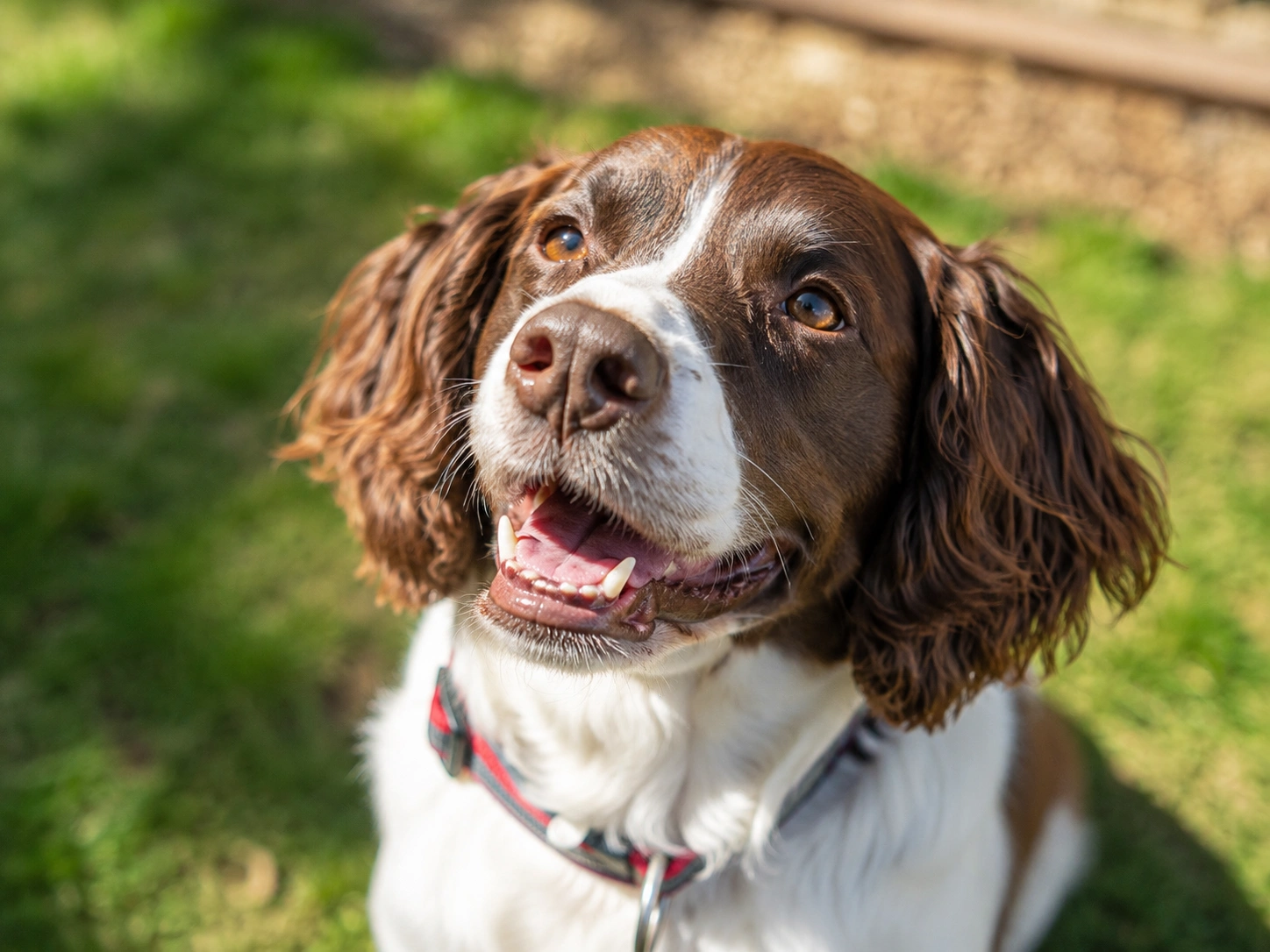
Quick Answer: What Your Dog’s Bark May Mean
Why Dogs Bark
A common mistake is trying to stop the noise without understanding what the barking is doing for the dog. If barking makes a stranger leave, gets the owner’s attention, leads to food or play, or fills an under-stimulated day, the pattern may repeat.
The better question is: What happened before the bark, and what changed after it?
Main Types of Dog Barking
1. Alarm Barking
Alarm barking usually happens when your dog notices a sudden sound, person, animal, car, delivery driver, or movement outside.
Common US pet-parent examples include:
- dog barking at hallway footsteps in an apartment
- dog barking at people walking past the window
- dog barking at the yard fence
- dog barking at the doorbell or delivery driver
- dog barking at another dog outside
Your dog may rush to the door, window, fence, or sound source. Their body may look tense and focused.
What to do first: reduce the trigger. Close curtains, use window privacy film, move the dog bed away from the front door, use background sound for hallway noise, and reward your dog for coming away calmly. When outside movement is the main trigger, this guide explains when window film can help and when it is not enough.
2. Alert Barking
Alert barking is usually shorter than alarm barking. It may be one sharp bark, two quick barks, or a short “woof” when something changes.
This can be normal. The issue starts when your dog cannot settle after every sound.
What to do first: stay calm, acknowledge briefly, then redirect. For example, say “thank you” or “all done,” guide your dog away, and reward quiet behavior.
3. Demand Barking
Demand barking is usually directed at you. Your dog may bark when you sit down, open the fridge, hold a toy, prepare the leash, eat your own meal, work at your desk, or stop playing.
Before calling it demand barking, check basic needs:
- potty break
- water
- food timing
- comfort
- rest
- noise or stress nearby
If needs are met and barking keeps getting a result, it can become a learned loop: bark, owner reacts, dog gets attention, food, play, or door access.
What to do first: do not give the reward during active barking. Wait for a small quiet pause, ask for an easy behavior like “sit” or “go to mat,” then reward the calmer action. For practical setup choices, see the guide to calm-settling products for attention barking.
If you are not sure whether the barking is a learned request for attention or a sign that your dog is struggling, compare attention barking vs. anxiety-related barking before choosing the response.
4. Boredom Barking
Boredom barking often sounds repetitive. It may happen when your dog has energy but no clear outlet.
Common situations include barking during work-from-home calls, barking in the evening after a low-activity day, barking when the owner finally sits down, or barking after physical exercise but little mental work.
What to do first: add one useful outlet before the usual barking time. Try a sniff walk, safe chew, food puzzle, scatter feeding, scent game, short training session, or calm mat work.
5. Fear or Stress Barking
Fear barking can sound loud, sharp, or intense. From the outside, it may look like your dog is being difficult, but your dog may be asking for space.
Possible signs include:
- stiff body
- tail tucked or very tense
- ears pinned back
- backing away or hiding
- lip licking
- panting when not hot
- barking that gets worse as the trigger gets closer
What to do first: increase distance. Do not force greetings or pull your dog closer. Reward your dog from a distance where they can still eat, look away, and respond.
6. Play Barking
Some dogs bark during play. This can be normal when the body is loose, bouncy, and relaxed.
Play barking is usually less concerning when you see play bows, loose movement, short pauses, both dogs choosing to continue, and taking turns.
Pause play if one dog becomes stiff, hides, keeps trying to leave, tucks their tail, or cannot take breaks.
7. Distress Barking
Distress barking may happen when a dog is uncomfortable, overwhelmed, isolated, confined, or unable to cope.
It may happen when the dog is left alone, behind a closed door, in a crate, during storms, or when separated from the owner.
Watch for pacing, drooling, digging, escape attempts, destruction near doors or windows, house-soiling when left alone, or refusing food when alone. A pet camera can help you observe timing, triggers, and recovery without guessing from the noise alone.
If the barking is mainly an alone-time problem, use dog barking when left alone: separation vs. habit to compare separation distress, outside triggers, confinement, boredom, and learned barking.
Barking alone does not diagnose separation anxiety, but persistent barking with distress signs deserves a veterinarian or qualified reward-based behavior professional.
How to Tell Similar Barks Apart
Alarm Barking vs. Alert Barking
Alert barking is usually brief and easier to interrupt. Alarm barking lasts longer, feels more urgent, and often comes with a tense body or rushing toward the trigger.
Demand Barking vs. Genuine Need
A dog barking at the door after a nap may need a potty break. A dog barking at your face while you eat may be demand barking. Always check basic needs first.
Boredom Barking vs. Distress When Alone
Boredom barking may improve with better daily outlets. Distress barking often appears with panic-like signs, such as pacing, drooling, escape attempts, or barking mainly when left alone.
Common Barking Situations and What They May Mean
Dog Barking at “Nothing”
Your dog may not be barking at nothing. They may hear, smell, or see something you do not notice, such as pipes, vents, appliances, pests in walls, wildlife outside, shadows, reflections, hallway sounds, or a learned attention pattern.
If this is the recurring pattern, use the hidden-trigger guide for dogs barking at “nothing”. If the barking is sudden, intense, or unusual, check for discomfort, health changes, or senior dog confusion.
Dog Barking at Hallway Sounds
In apartments, dogs often react to close sounds like footsteps, elevator noise, keys, doors, voices, and deliveries.
Move your dog’s resting area away from the door, use background sound if needed, and reward calm behavior when your dog notices sounds without barking.
Dog Barking When You Sit Down
This may be boredom barking, demand barking, an unmet need, or a learned routine. Give your dog a planned outlet before your usual sit-down time, such as a chew, food toy, sniff walk, or short training game.
Dog Barking in the Crate
Crate barking may be frustration, habit, fear, discomfort, or separation-related distress.
Check potty needs, water, safe temperature, bedding comfort, and whether barking only happens when your dog is alone. If your dog panics, drools, scratches, tries to escape, or cannot settle, speak with a veterinarian or qualified reward-based trainer.
Sudden Barking at Night
Sudden night barking deserves extra caution, especially in senior dogs. Possible causes include wildlife, new sounds, needing a potty break, discomfort, fear, routine changes, or senior dog cognitive changes.
For a trigger-by-trigger night plan, see why dogs bark at night and what to check first.
Normal vs. Concerning Barking
5-Day Barking Decoder Plan
Day 1: Track the Pattern
Write down the time, location, trigger, body language, barking length, and what stopped it.
Day 2: Watch the Body
Notice whether your dog is loose, stiff, backing away, moving forward, pacing, staring, or unable to settle.
Day 3: Check Basic Needs
Before assuming bad behavior, check potty needs, water, food timing, comfort, rest, temperature, and routine changes.
Day 4: Reduce One Trigger
Block a window view, move the bed away from the door, use background sound, or reduce access to the fence line.
Day 5: Reward the Behavior You Want
Reward quiet moments, coming away from the window, settling on a mat, looking at a sound without barking, or choosing a chew.
Common Mistakes to Avoid
- Do not assume every bark means dominance.
- Do not punish fear barking or growling.
- Do not force a scared dog toward the trigger.
- Do not keep repeating “quiet” if it has become part of the attention loop.
- Do not ignore sudden barking in senior dogs.
- Do not rely on bark collars or harsh punishment before understanding the cause.
- Do not reward active demand barking with food, toys, or attention after basic needs are met.
When to Contact a Vet or Qualified Trainer
Quick Summary
Different types of dog barking need different responses. Alarm barking often comes from sounds or movement. Alert barking is usually shorter. Demand barking is often directed at you. Boredom barking appears when your dog needs better outlets. Fear barking means your dog may need space. Distress barking may mean your dog is not coping.
To decode the bark, ask: What triggered it? What did my dog’s body look like? What happened right after? Did barking get a result? Is this new or getting worse?
Once you understand the pattern, your response becomes safer, clearer, and fairer for your dog.
FAQs
What do different dog barks mean?
Different dog barks may mean alert, alarm, fear, play, demand, boredom, distress, discomfort, or confusion. Look at the trigger, body language, timing, and what happens after the bark.
How do I know if my dog is barking out of fear?
Look for stiff body language, backing away, tucked tail, pinned ears, lip licking, hiding, pacing, or barking that gets worse as the trigger gets closer. Create distance instead of forcing your dog forward.
Can dogs bark from boredom?
Yes. Dogs may bark when they lack activity, interaction, sniffing, chewing, training, or mental work. Boredom barking often happens during work time, TV time, or after a low-activity day.
Why is my dog barking at nothing?
Your dog may notice sounds, smells, shadows, reflections, pests, pipes, appliances, wildlife, or hallway noise that you do not easily detect. If the barking is sudden or unusual, also check for health or comfort changes.
Should I ignore demand barking?
Sometimes, but only after checking basic needs. For attention-based barking, reward quiet behavior instead of active barking. Do not ignore fear, pain, panic, or distress barking.
Is play barking normal?
Yes, some dogs bark during play. It is usually less concerning when both dogs are loose, bouncy, taking turns, and choosing to continue. Pause play if one dog becomes stiff, hides, or tries to leave.
 ✓
✓