

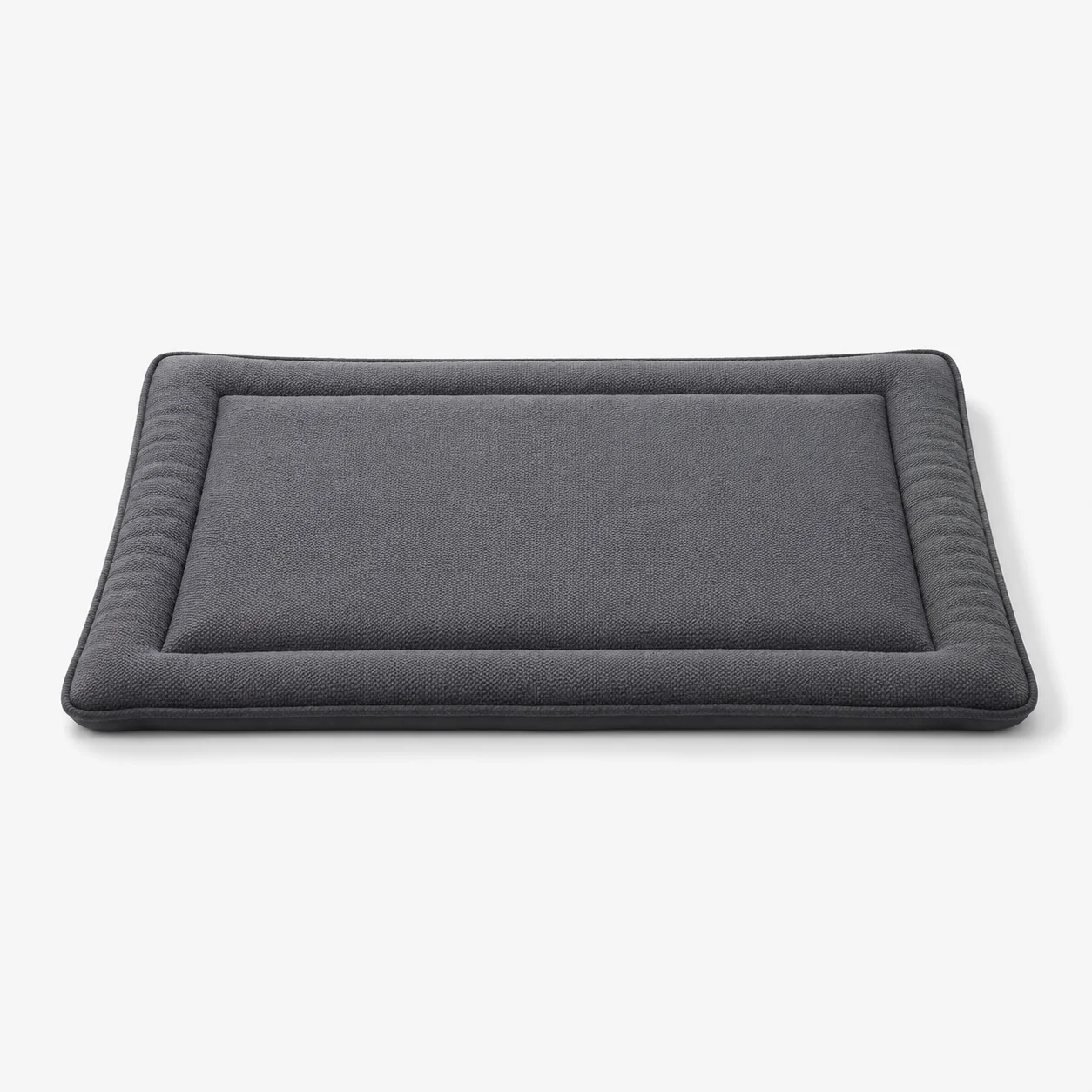
For most attention-barking routines, start with a simple settle mat or place mat. It gives the dog a clear alternative: go to the calm spot, lie down, and receive attention or rewards for quiet behavior. Use a KONG or LickiMat to support the routine, not as a replacement for training.
An elevated bed may work better as a permanent office or living-room station. A treat pouch and clicker can improve reward timing, but neither product changes barking by itself.
These recommendations are for attention-seeking and routine-based barking. Barking linked to pain, fear, panic, or separation distress needs a different plan and may require veterinary or behavior support.
What Should You Buy for Attention Barking?
Buy the calm station first, then add enrichment or training tools according to the situation.
Settle Mats and Calm-Spot Products Compared
| Product Type | Best For | Role in the Routine | Main Limitation | Check Options |
|---|---|---|---|---|
| Settle Mat / Place Mat | Work calls, couch time, meal preparation | Creates a portable place cue and calm station | Needs gradual positive training | View Options |
| Elevated / Kuranda-Type Bed | Permanent office or living-room setup | Provides a clear raised boundary | Less portable and may need added comfort | Check Options |
| LickiMat | Short calls and brief calm routines | Adds food-based licking at the calm spot | Not suitable for dogs that bite or shred mats | View Options |
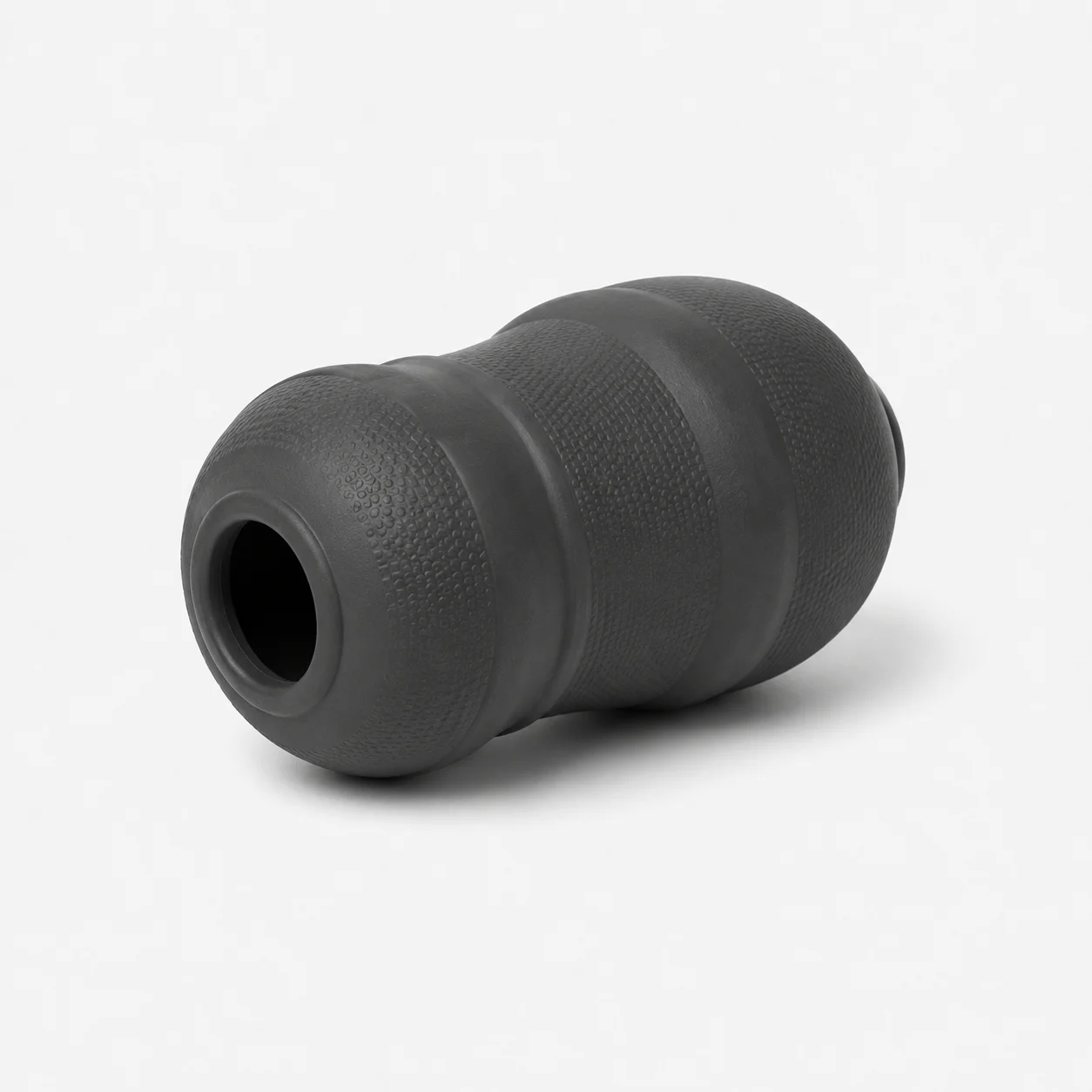
| KONG Classic | Longer work blocks and quiet chewing routines | Provides food-based occupation after the dog goes to place | Does not teach the place behavior by itself | Check Price |
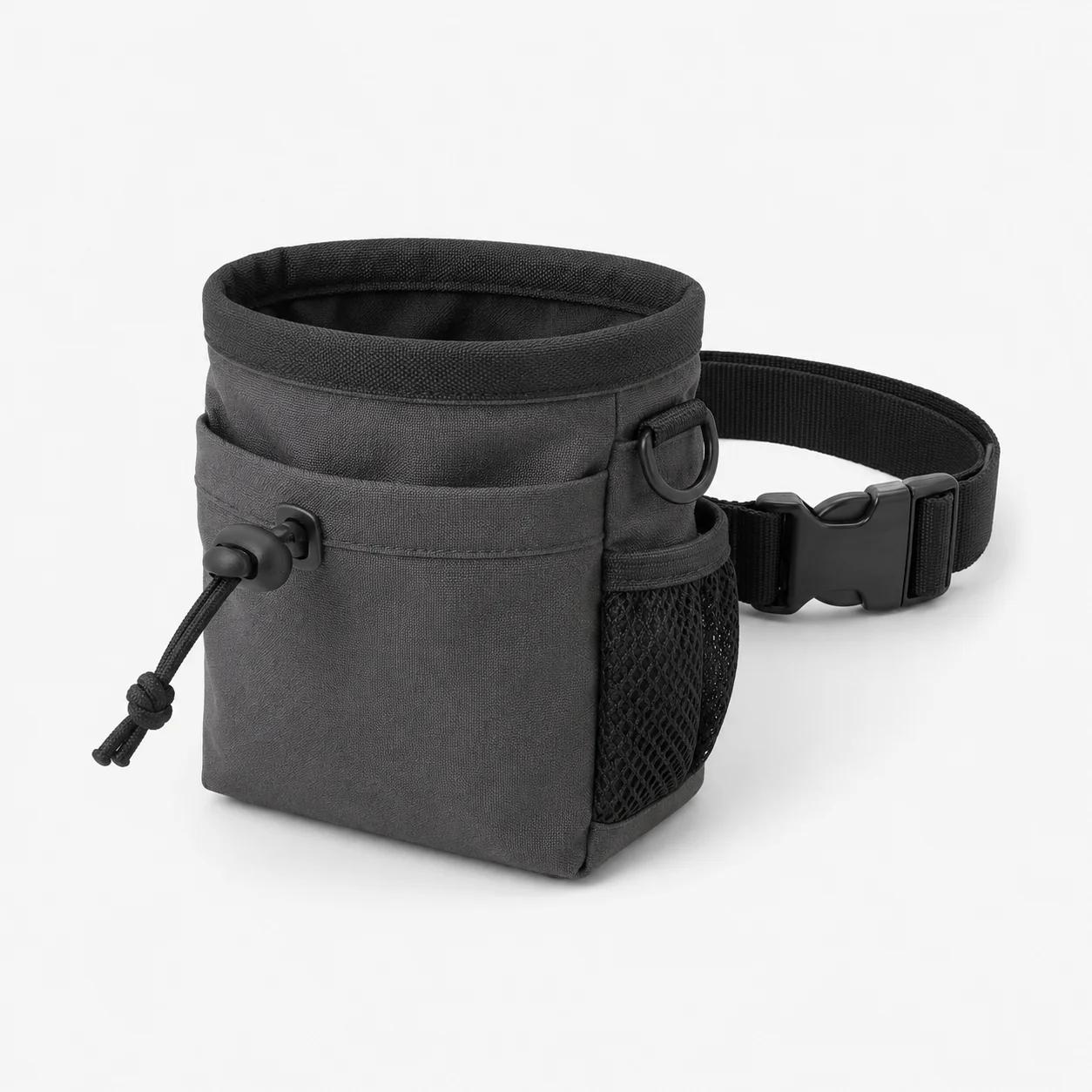
| Dog Treat Pouch | Early mat training and room-to-room practice | Keeps rewards ready for quiet choices | Only useful with active training | View Options |
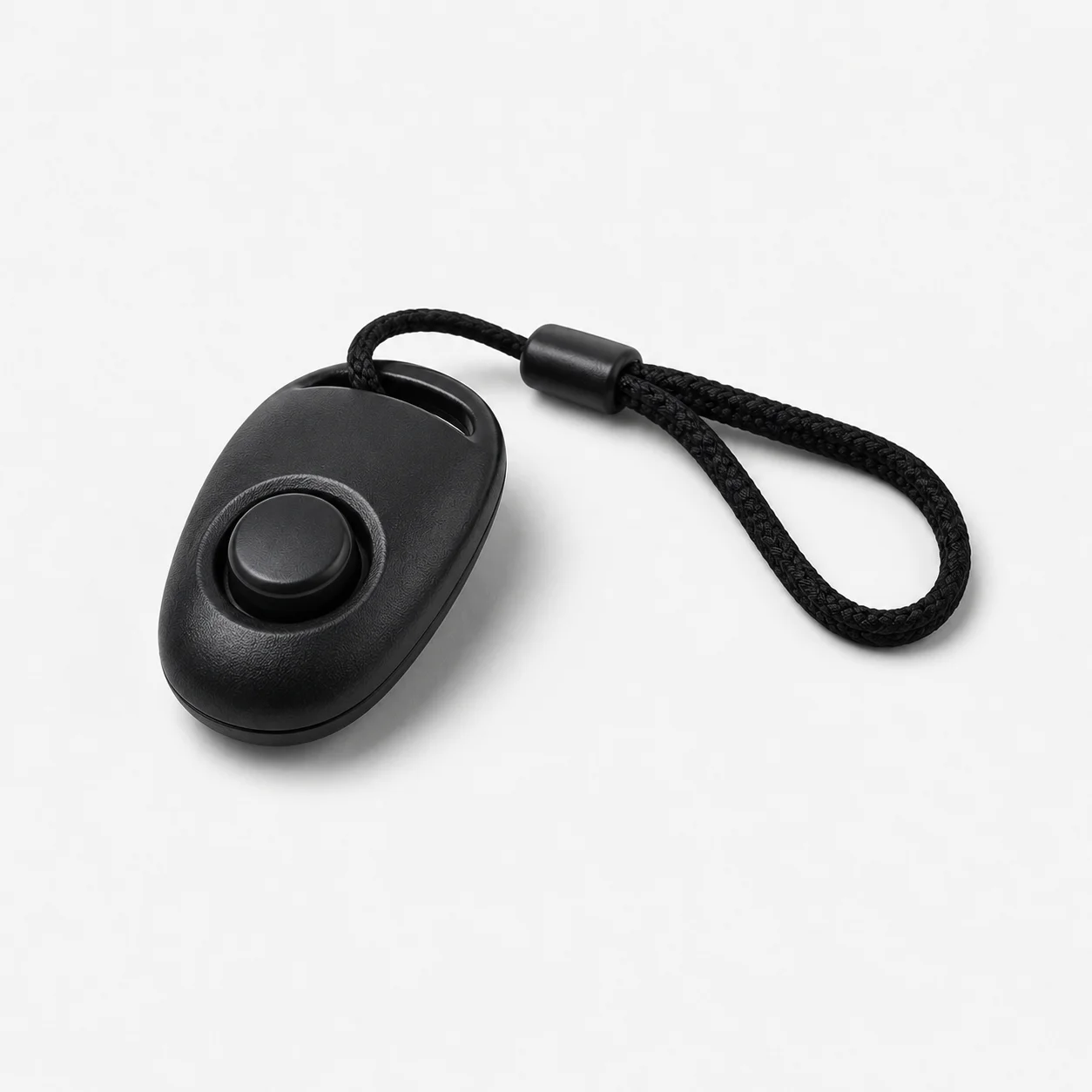
| Dog Training Clicker | Precise marking of mat, down, and quiet behavior | Signals the exact moment that earned a reward | Poor timing can mark the wrong behavior | Check Options |
Which Calm-Spot Product Fits Your Dog?
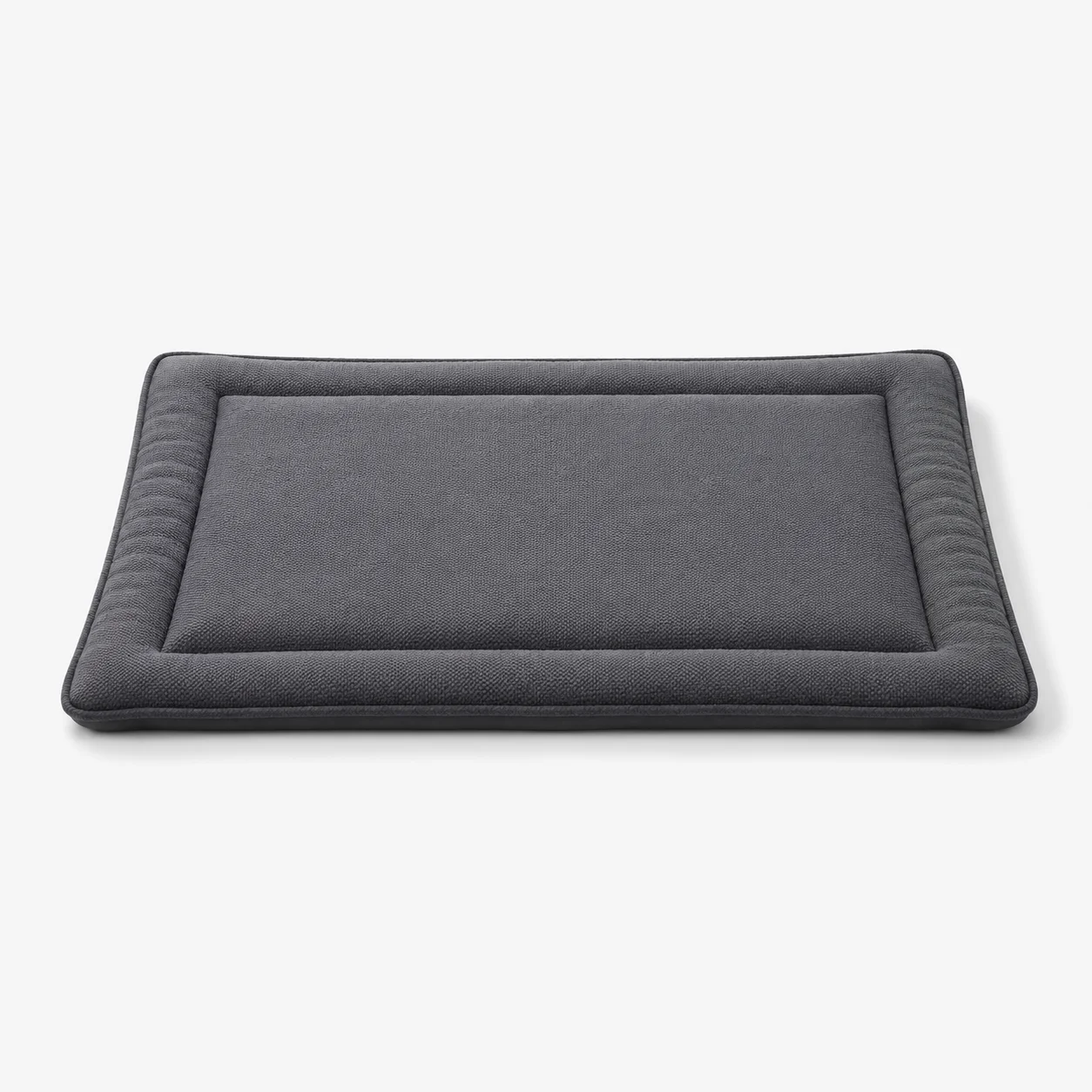
1. Settle Mat / Place Mat
A settle mat gives the dog a clear location to choose instead of barking for interaction. Introduce it during calm periods, reward stepping onto it, then build toward lying down and remaining there while the owner is briefly busy.
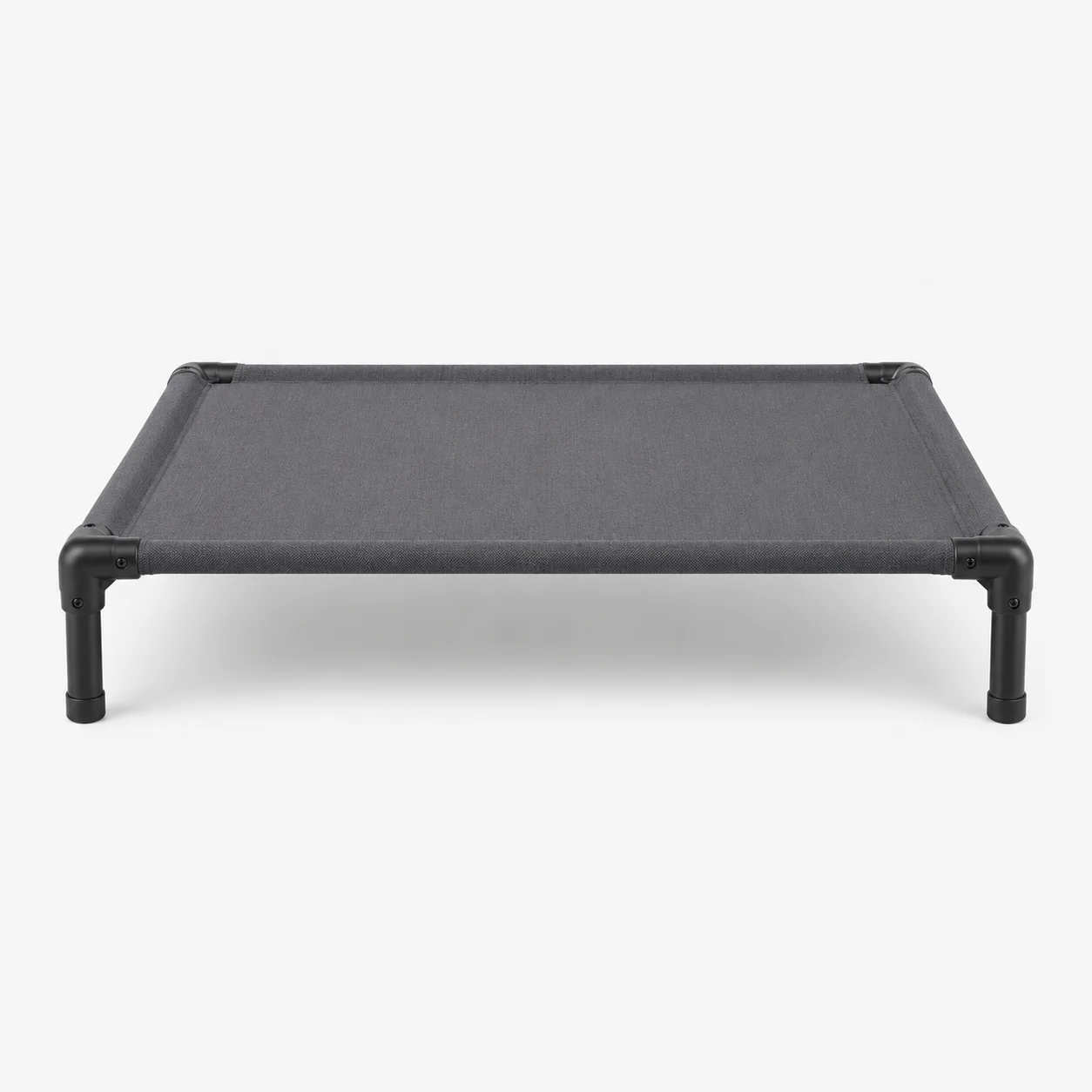
2. Elevated Bed / Kuranda-Type Bed
A raised bed creates a more obvious physical boundary than a flat mat. It may suit larger dogs, dogs that bunch up soft mats, or owners who want the calm station to remain in one location.
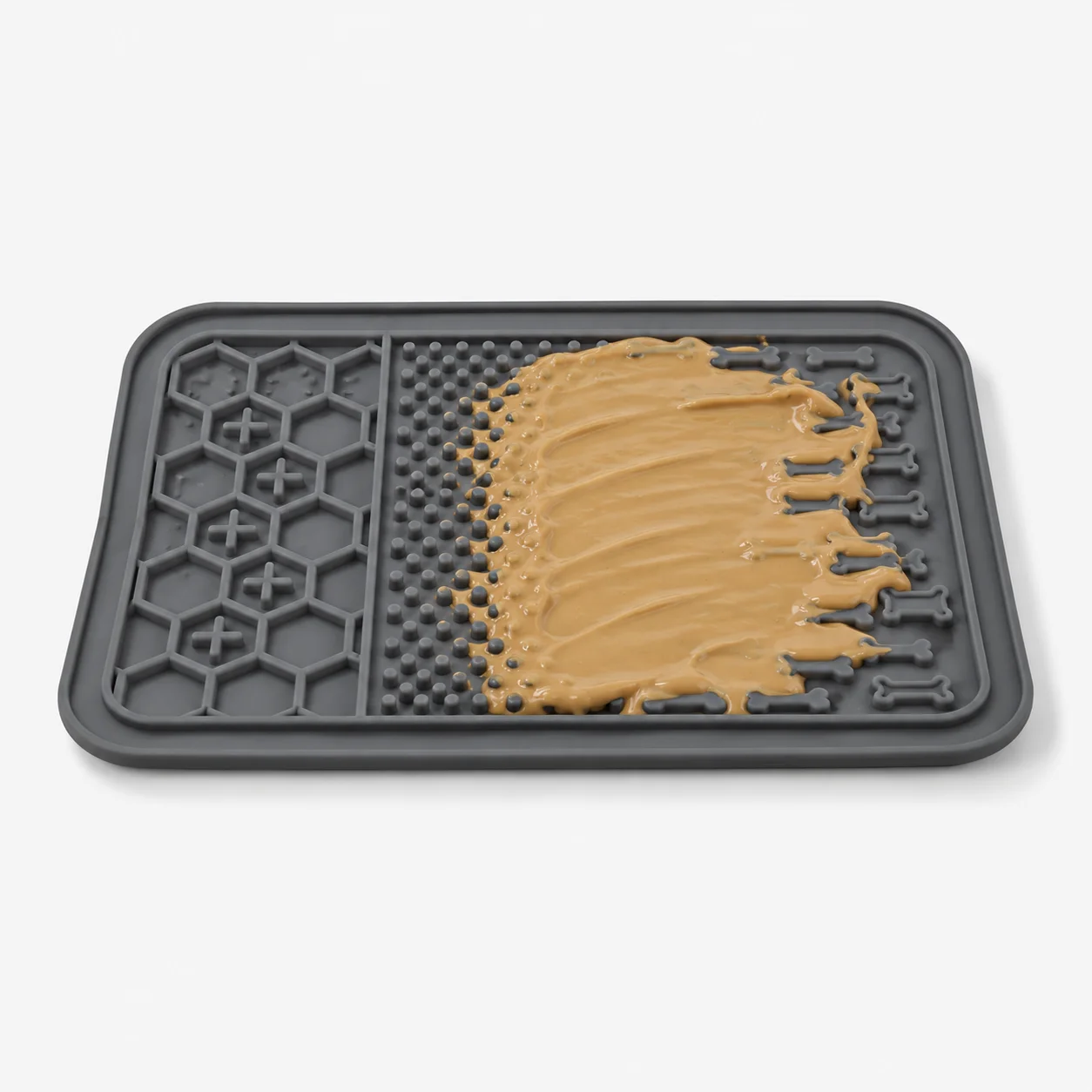
3. LickiMat
A LickiMat can give a gentle, food-motivated dog a quiet activity at the calm spot. It is an add-on, not the place cue itself, and early sessions should be supervised to confirm the dog licks rather than bites, folds, or shreds the material.
4. KONG Classic
Give the KONG after the dog has gone to the mat or bed. This keeps the sequence clear: calm-place behavior earns the activity. Choose the correct size, supervise early use, inspect for damage, and count the filling as part of the dog’s daily food intake.
5. Dog Treat Pouch
A treat pouch helps the owner reward stepping onto the mat, lying down, waiting quietly, or remaining settled as a low-level distraction appears. It supports the routine but does not occupy the dog or reduce barking without training.
6. Dog Training Clicker
A clicker can clarify which behavior earned the reward. It should first be paired with food during easy sessions. Owners who find the sound difficult to time—or dogs that are sensitive to it—can use a short, consistent verbal marker instead.
How Do You Teach the Calm Spot Before Barking Starts?
- Choose a quiet location: Keep the station outside busy walkways and away from avoidable triggers.
- Introduce it without pressure: Reward looking at, approaching, or stepping onto the mat or bed.
- Build a down and short stay: Reward calm posture in very short sessions.
- Add an easy owner-busy action: Sit at the desk or pick up the laptop for a few seconds.
- Reward before barking: Reinforce quiet waiting while the dog is still able to succeed.
- Increase time gradually: Add duration and distractions separately rather than making both harder at once.
Simple Calm-Spot Setups by Situation
Work Calls
- Set up the mat before the call.
- Use a treat pouch for brief quiet rewards.
- Add a tested KONG for a longer meeting.
Couch-Time Barking
- Place a portable mat near—but not on—the couch.
- Reward lying down before demands begin.
- Release the dog from the mat before the session becomes too difficult.
Meal Preparation
- Keep the station outside the kitchen movement path.
- Use a LickiMat only for a dog that handles it safely.
- Reward staying on the station rather than following or barking.
Permanent Home Office
- Use an elevated bed as the fixed boundary.
- Practice while the owner works for very short periods.
- Provide breaks for movement, toileting, and interaction.
When Are Settle Mats and Calm Products Not Enough?
Attention barking may respond to a clear routine, but product-based training is not enough when barking is sudden, worsening, prolonged, or paired with pain, fear, panic, destruction, escape attempts, house-soiling, heavy drooling, appetite changes, self-injury, or inability to settle.
Contact a veterinarian or qualified reward-based behavior professional in those cases. Do not punish barking or repeatedly increase food difficulty when the dog is too distressed to engage.
Frequently Asked Questions
What should I buy first for attention barking?
Start with a simple settle mat or place mat. It gives the dog a clear location and replacement behavior. Add enrichment or marker tools only after the calm spot is introduced.
Will a settle mat stop my dog from barking?
Not automatically. The mat works when the dog is gradually taught to go there, lie down, and remain settled before the usual attention-barking pattern begins.
Is a mat or elevated bed better?
A mat is easier to move between rooms. An elevated bed gives a clearer fixed boundary and may suit a permanent office or living-room setup. Both require positive training.
Should I use a LickiMat or KONG?
A LickiMat may suit short supervised licking sessions. A correctly sized KONG may provide longer food work. Neither product teaches the place cue by itself.
How do I avoid rewarding the barking?
Prepare the calm spot before the predictable trigger and reward quiet mat behavior early. Avoid waiting for repeated barking and then immediately producing the mat, treats, or enrichment.
When should I contact a vet or trainer?
Seek help when barking is sudden, severe, fear-based, or linked with pain, panic, self-injury, destruction, house-soiling, heavy drooling, appetite changes, or distress when the dog is alone.
Sources & References
Final Recommendation
Start with a settle mat or place mat for most attention-barking routines. Choose an elevated bed when you need one permanent station. Add a LickiMat for short supervised sessions or a KONG Classic for longer food-based occupation.
Use a treat pouch or clicker only as training support. The product should make the routine easier, but quiet behavior still needs to be taught and rewarded before barking starts.
View Settle Mat Options on Amazon ✓
✓