


Puppy separation anxiety is often used as a catch-all phrase for crying, barking, howling, or panic when a puppy is left alone. The behavior deserves attention, but one episode of crying is not enough to identify the cause.
No. A puppy crying when left alone does not automatically have separation anxiety.
Young puppies may vocalize because they are newly rehomed, need to toilet, are overtired, dislike confinement, or have not learned that short separations are safe. Concern is higher when distress is repeated, intense, begins around departure cues, or includes pacing, heavy drooling, escape attempts, indoor toileting, injury risk, or refusal to eat when alone. Veterinary sources also recommend ruling out medical and environmental causes before treating the behavior as separation distress. MSD Veterinary Manual
See the step-by-step planIs It Normal Puppy Crying or a Bigger Concern?
Brief whining that settles may reflect adjustment or mild frustration. Repeated panic, escape behavior, physical stress signs, or a sudden change warrants a slower plan and may require professional assessment.
| What You Notice | What It May Mean | Practical Next Step |
|---|---|---|
| Brief whining followed by resting, chewing, or sleep | Early adjustment or mild protest may be involved | Keep practice short and repeat only while the puppy remains comfortable |
| Crying starts when you move away but stops when you remain visible | The distance or loss of visual contact may be too difficult | Practice behind a gate or at a smaller distance before leaving sight |
| The puppy eats with you nearby but stops when you leave | Stress may be suppressing normal eating behavior | Return to the last distance or duration at which the puppy kept eating calmly |
| The puppy screams, bites bars, scratches exits, or tries to escape | High distress or confinement-related distress may be present | Stop increasing time, prevent injury, and seek veterinary or behavior support |
| The puppy is calmer in a puppy-safe room than in a crate | Confinement may be part of the problem | Work on crate comfort separately and use the safest lower-stress setup available |
| The behavior appears suddenly or worsens with appetite, pain, sleep, or toileting changes | A health issue, fear trigger, or routine change may be contributing | Record the change and contact a veterinarian |
Why Do Puppies Cry When Left Alone?
Being alone is a learned skill. A puppy may cry because the home is new, a basic need is unmet, the barrier feels frustrating, the absence is longer than they can manage, or a sound or event has made the situation frightening.

A newly rehomed puppy may have recently left familiar littermates, smells, sounds, and routines. Crying in that context is communication, not proof that the puppy is spoiled or trying to control the owner.
Common triggers include:
- you leaving the room or closing a door;
- the crate, pen, or baby gate closing;
- waking from a nap without anyone nearby;
- hearing you but being unable to reach you;
- needing a toilet break, sleep, water, food, or a calmer environment; and
- departure cues such as keys, shoes, bags, or the front door.
The useful question is not only “Did the puppy cry?” It is “What happened before the crying, how intense was it, and could the puppy recover?”
What Puppy Crying May Be Part of Normal Adjustment?
Some short-lived vocalizing can occur while a puppy adapts to a new home or learns a new routine. It is less concerning when the puppy can settle, eat, sleep, and recover once basic needs and the setup are appropriate.
Lower-concern pattern
- brief whining that does not escalate;
- settling after toileting, rest, or a calmer setup;
- accepting food, a safe chew, or gentle activity;
- relaxing when distance or duration is reduced; and
- gradual improvement across days rather than worsening.
These observations do not guarantee that everything is fine. They simply suggest that the current challenge may be manageable with shorter, calmer practice.
What Signs Are More Concerning?
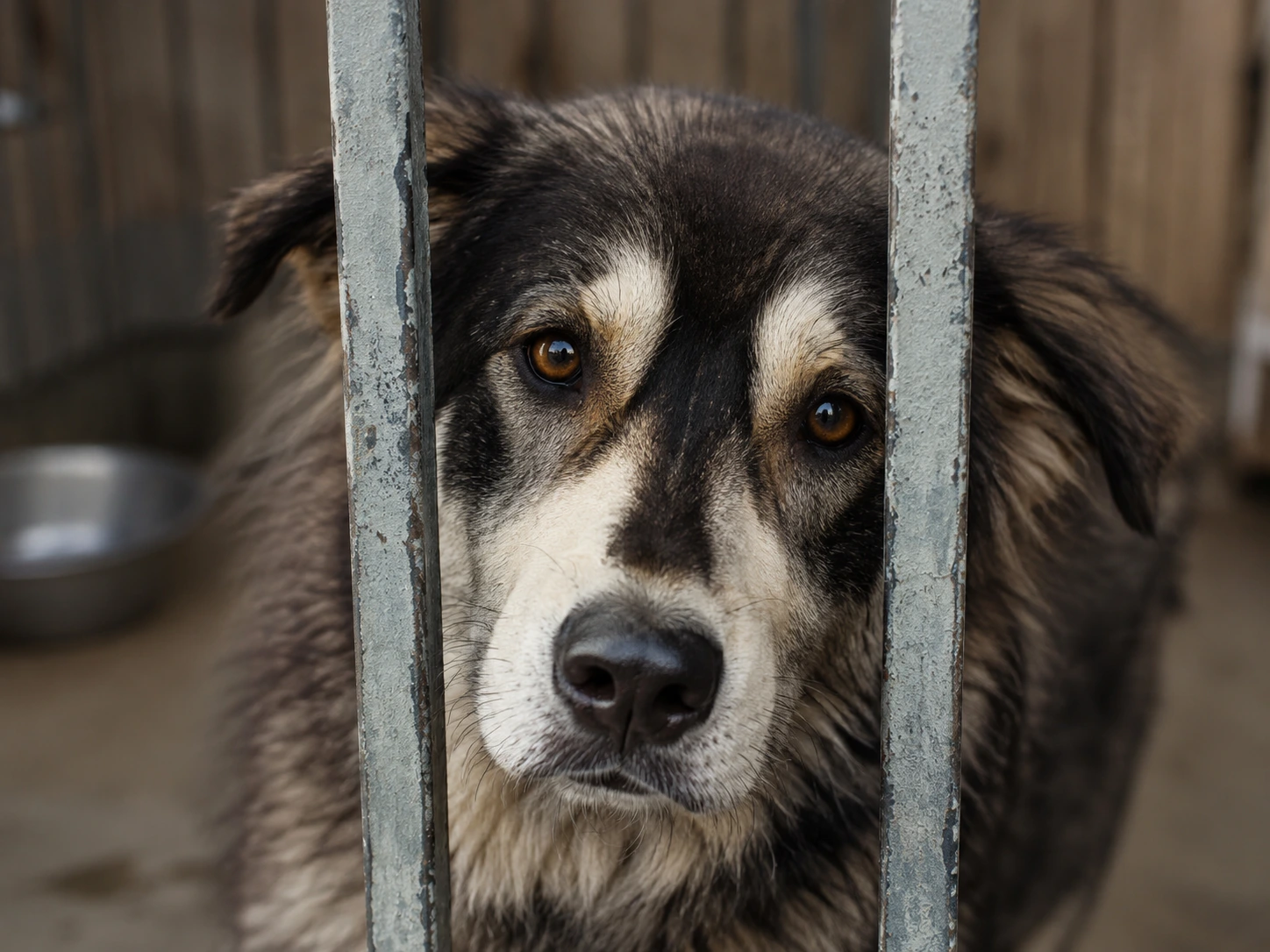
Concern rises when several distress signs repeatedly occur only around separation, begin before departure, continue without recovery, or create a risk of injury.
Safety red flags
- continuous barking, howling, screaming, pacing, panting, trembling, or heavy drooling;
- biting crate bars, scratching doors, digging at exits, or forceful escape attempts;
- urinating or defecating during apparent panic despite appropriate toilet opportunities;
- refusing food or chews only when alone;
- distress beginning when you pick up keys, put on shoes, or approach the exit; or
- a sudden change accompanied by pain, illness, appetite, sleep, or toileting changes.
These signs can occur with separation distress, but they can also overlap with incomplete housetraining, noise fear, confinement distress, environmental triggers, or medical problems. Video and veterinary assessment can help separate these possibilities. ASPCA and VCA puppy guidance
What Commonly Makes Alone Time Difficult for Puppies?
More than one factor can occur at the same time. The best starting point is the explanation that fits the puppy’s actual pattern, not the most alarming label.

New home
The Puppy Is Newly Rehomed
Support the puppy’s adjustment first. Use very short separations behind a gate or within the same room, and return before distress escalates.
Missing skill
Alone Time Has Not Been Taught
Practice during ordinary calm moments, not only before a real departure. A puppy who sleeps beside a desk may still need to learn how to rest several feet away.
Setup issue
The Crate or Pen Is the Hard Part
Compare behavior in a crate, pen, gated area, and puppy-safe room. If distress appears mainly when confined, build positive crate comfort separately and do not force longer sessions. RSPCA crate guidance
Too difficult
The Step Is Above the Puppy’s Coping Level
Reduce one variable at a time: shorten the duration, stay visible, open the door, or move closer. Progress only while the puppy remains able to eat, sniff, rest, or calmly observe.
Basic need
The Puppy Needs Toileting, Sleep, or Comfort
Check toilet needs, hunger, thirst, temperature, fatigue, and noise before training. An overtired or uncomfortable puppy is less able to learn.
Outside trigger
Noise or Movement Is Adding Stress
Hallway sounds, traffic, deliveries, neighboring dogs, or activity outside a window may occur at the same time as your departure. A camera can reveal whether the trigger is absence, confinement, or the environment.
Why Won’t My Puppy Eat Treats When I Leave?
A puppy who normally likes a food toy but ignores it after you leave may be too stressed to eat. The toy is useful only when the puppy remains calm enough to engage with it.
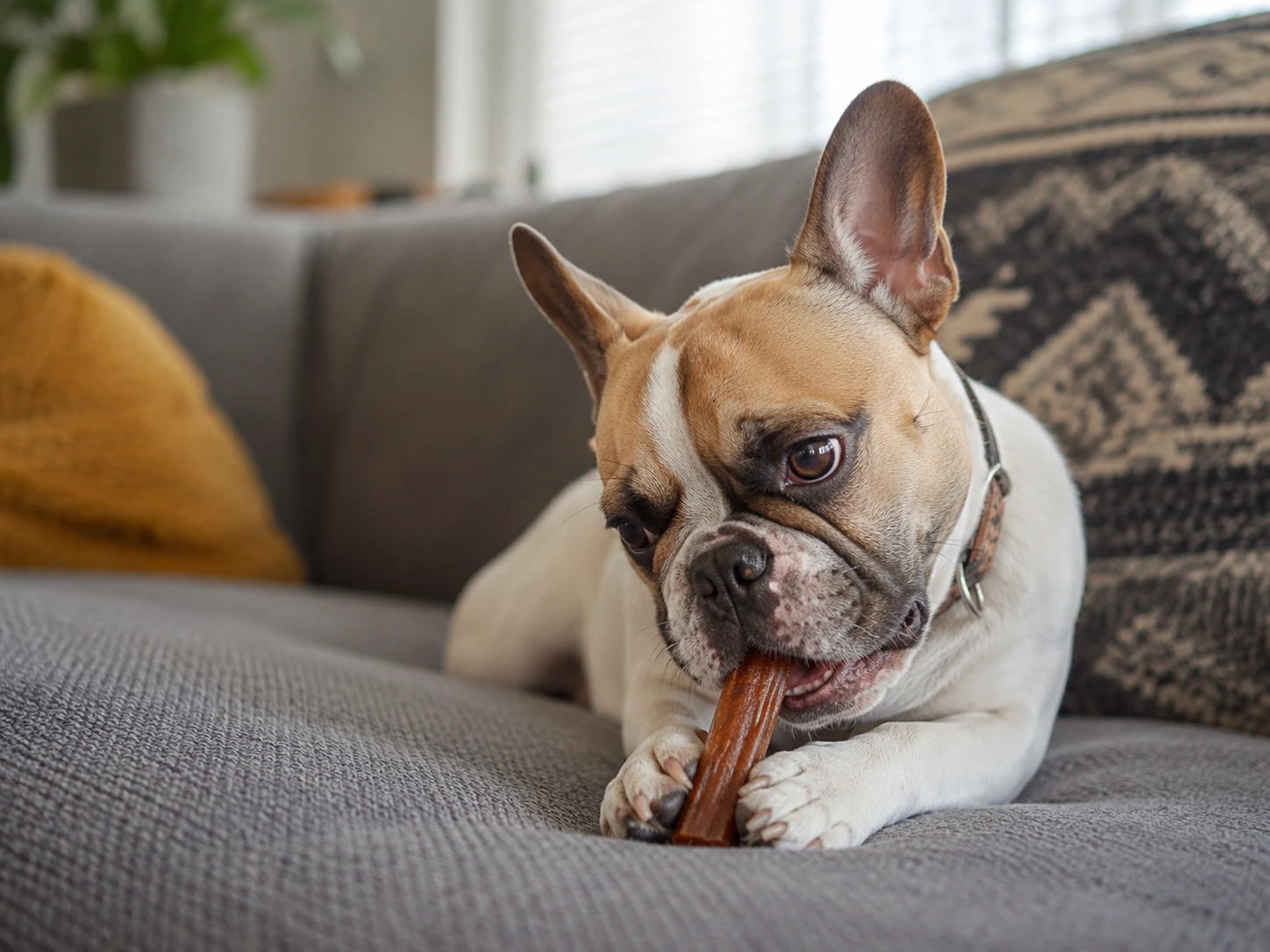
- Offer the safe chew or food toy while you remain nearby.
- Stand up and sit down without leaving.
- Take one step away and return.
- Move briefly behind a gate while staying visible.
- Go out of sight for one second and return calmly.
- Increase only one variable—distance or time—while the puppy keeps eating and remains relaxed.
If the puppy stops eating, stares toward the exit, freezes, pants, or vocalizes, return to the last easier step. Dogs Trust notes that loss of interest in food or chews when alone can be a sign of distress and recommends using video to understand the pattern. Dogs Trust
What Do Common Owner-Reported Patterns Suggest?
Community reports are useful for identifying practical situations, but they are not diagnoses or verified case studies. Treat them as prompts for observation.
“I Can’t Even Take a Shower”
This may indicate that the puppy has not yet learned that very short room-to-room separations end safely. Begin with seconds, not a complete shower.
“The Food Toy Does Nothing”
The absence may be too difficult for food to compete with. Practice with the toy while nearby, then add distance gradually.
“My Puppy Is Fine Near My Desk”
Resting next to an owner and resting independently are different skills. Reward calm settling at a small distance before leaving the room.
“My Puppy Panics in the Crate”
The pattern may involve confinement, crate discomfort, or being left alone. Compare safe setups rather than assuming one cause from crate behavior alone.
What Common Mistakes Can Make the Problem Harder?
The main mistakes are increasing difficulty during distress, using confinement only for departures, punishing fear-related behavior, and assuming repeated panic will resolve through exposure alone.
Avoid these five mistakes
- Letting panic continue: shorten the next practice before the puppy reaches the same level of distress.
- Using the crate only when leaving: include calm naps, meals, and brief door-closed practice while you remain nearby.
- Training when basic needs are unmet: start after toileting and when the puppy is comfortable and able to settle.
- Punishing barking, accidents, or damage: punishment does not teach safety and may add fear. Reward-based methods are recommended by the American Veterinary Society of Animal Behavior. AVSAB position statement
- Assuming the puppy will simply grow out of repeated panic: begin gradual practice and seek help if the puppy cannot remain comfortable during very short absences.
How Can You Safely Teach a Puppy to Cope With Being Alone?
Build comfort before duration. Each practice should be short enough that the puppy can remain below the point of panic, and progress should be based on observed behavior rather than a fixed timetable.
-
Create a Safe Rest Area
Use a crate, pen, baby-gated area, or puppy-safe room that the puppy already associates with calm rest. Include suitable bedding, water when appropriate, and only chews or toys that are safe without direct supervision.
-
Meet Basic Needs First
Offer a toilet break and check sleep, hunger, thirst, temperature, noise, and comfort. Do not use alone-time practice to solve an unmet physical need.
-
Start With Distance, Not a Long Absence
Move one step away, return, and pause. Then use a gate, turn your back, or step out of sight for one second. Repeat only while the puppy remains relaxed.
-
Add Door and Departure Cues Gradually
Touch the handle, open and close the door, pick up keys, or put on shoes without always leaving. Add a very short departure only when those cues no longer trigger rising distress.
-
Use Food as Feedback, Not as a Distraction
If the puppy can calmly eat, a safe food toy may support positive associations. If eating stops, the session has probably become too difficult and should be reduced.
-
Record and Adjust
Use a phone or camera to observe the first minutes after leaving. MSD Veterinary Manual describes video as a valuable tool for distinguishing separation distress from other triggers and for monitoring progress. MSD Veterinary Manual
Use a simple alone-time log
Record the date, setup, duration, first sign of stress, whether the puppy ate, and how quickly they settled after your return. A practical interpretation is:
| Observed Result | What It May Mean | What to Do Next |
|---|---|---|
| Relaxed body, eats or rests, no escalation | The current step may be manageable | Repeat it before adding a very small increase |
| Stops eating, watches the exit, mild whining | The puppy may be approaching their coping limit | Reduce time or distance at the next session |
| Pacing, drooling, forceful escape attempts, continuous vocalizing | The step is too difficult and injury risk may be present | End safely, avoid repeating that duration, and seek professional guidance |
How Can You Manage Puppy Crying in an Apartment, Flat, or Shared-Wall Home?
Shared walls increase practical pressure, but rushing to longer absences can worsen distress. Reduce triggers, practice at considerate times, and arrange temporary help when the puppy is not ready to be left.
- Practice during daytime hours when possible.
- Begin with seconds and finish before vocalizing escalates.
- Use a room away from shared walls if that setup is safe.
- Close curtains or move the rest area if outside movement triggers barking.
- Use low, steady background sound only if it appears to help rather than startle the puppy.
- Tell close neighbors that you are actively working on short training sessions if appropriate.
- Arrange a friend, sitter, dog walker, or suitable daycare option when a real absence would exceed the puppy’s current ability.
The same principle applies in a house, apartment, flat, or rental: make the experience easier before making it longer.
When Should You Contact a Vet or Qualified Behavior Professional?
Contact a veterinarian for sudden, severe, worsening, or injury-related behavior, and before assuming that repeated distress is purely a training issue. A qualified reward-based trainer or clinical behavior professional can then help build an individualized plan.
Seek help promptly when your puppy:
- cannot remain comfortable for even a few seconds;
- repeatedly panics, drools heavily, trembles, or cannot settle;
- tries to escape or may damage teeth, gums, paws, or nails;
- urinates or defecates during apparent panic;
- shows a sudden change in behavior or signs of pain or illness;
- stops eating, sleeping, or toileting normally; or
- creates an urgent housing, neighbor, work, or safety problem.
PDSA advises a veterinary check because pain and underlying medical problems can contribute to apparent separation anxiety. PDSA veterinary guidance
Professional support does not mean the owner has failed. It means the puppy’s distress needs a plan matched to its cause, severity, health, and living situation.
What Is the Practical Bottom Line?
Puppy separation anxiety is one possible explanation for distress when alone, but it is not the only one. Observe the full pattern, rule out basic needs and health issues, and teach alone time below the puppy’s panic threshold.
- Do not diagnose from crying alone. Look for repeated clusters of distress signs tied to separation.
- Separate alone-time stress from confinement stress. Compare safe setups when appropriate.
- Use food and video as information. Eating and settling suggest the step may be manageable; refusal and escalation suggest it is too hard.
- Avoid punishment and prolonged panic. Reduce difficulty and use reward-based training.
- Get veterinary help for sudden, severe, worsening, or injury-related behavior.
Frequently Asked Questions
These answers address common decisions without treating one symptom as a diagnosis.
Is it normal for a puppy to cry when left alone?
Some brief crying may occur during adjustment, especially in a new home. It becomes more concerning when it escalates, continues, prevents settling or eating, or appears with physical stress signs and escape behavior.
How can I tell whether my puppy has separation anxiety?
One behavior is not enough. Use video to look for a repeated cluster of signs linked to your departure, then ask a veterinarian to help rule out medical, toileting, noise, and confinement-related causes.
Should I ignore my puppy crying in the crate?
Do not continue a session through intense or prolonged distress. If the puppy is panting, cowering, screaming, biting bars, or trying to escape, the duration or crate step is too difficult and should be reduced.
Why does my puppy cry when I go to the bathroom or shower?
The puppy may not yet understand that short disappearances are safe. Practice one- or two-second separations during calm periods, then increase gradually instead of beginning with a full shower.
Can crate training solve puppy separation anxiety?
A crate can become a comfortable rest space for some puppies, but it is not a treatment by itself. If the puppy is calmer outside the crate, work on confinement comfort separately and use the safest lower-stress setup.
How quickly should I increase alone time?
There is no universal schedule. Increase only after the puppy can repeat the current step without escalating distress. For some puppies that means seconds at first; severe cases may need an individualized professional plan.
What Should You Do Next?
Run one short, observable practice session rather than testing how long the puppy can tolerate being alone.
Sources and Further Reading
- ASPCA: Separation Anxiety
- RSPCA: Recognising Separation-Related Behaviour and Anxiety in Dogs
- RSPCA: How to Train Your Dog to Stay Home Alone
- RSPCA: How to Crate Train a Puppy
- Blue Cross: Preventing Separation Anxiety in Puppies
- PDSA: Home Alone — Preventing Separation Anxiety
- Dogs Trust: Separation Anxiety in Dogs
- VCA Animal Hospitals: Separation Anxiety in Puppies
- VCA Animal Hospitals: Separation Anxiety in Dogs
- American Veterinary Society of Animal Behavior: Humane Dog Training Position Statement
- MSD Veterinary Manual: Behavior Problems of Dogs
 ✓
✓