

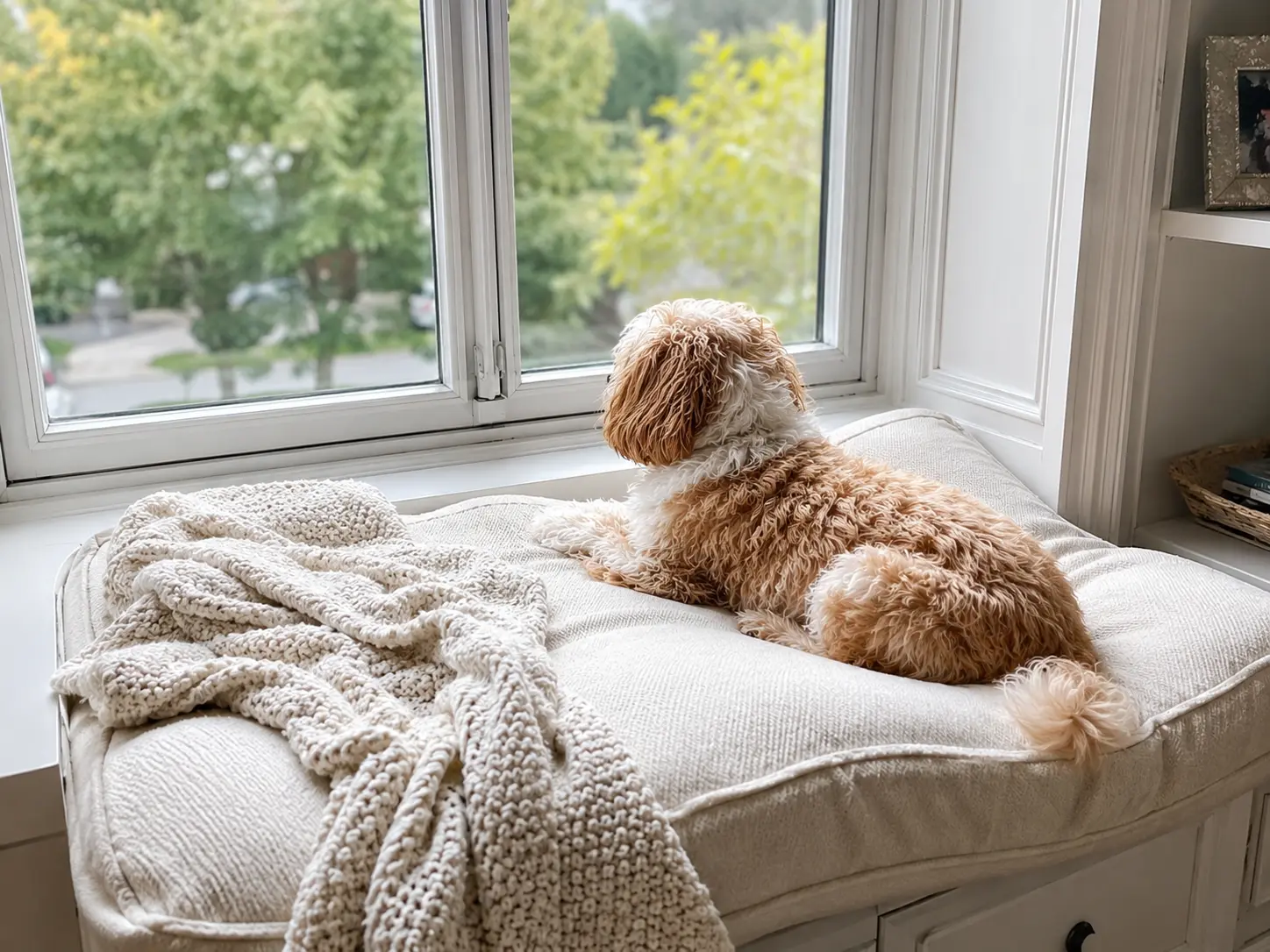
If your dog barks every time someone walks past the window, you are not dealing with a “bad dog.” Your dog may simply be watching too much: neighbors, dogs, cars, squirrels, delivery drivers, shadows, or hallway movement through glass.
The best window film for dog barking is usually a frosted privacy film that blocks the view at your dog’s eye level while still letting light into the room. For most pet parents, rabbitgoo Privacy Window Film is the best first choice because it balances privacy, brightness, renter-friendly use, and everyday visual blocking.
Window film is not a training cure, but it can make the home easier for your dog by reducing the repeated visual pattern: see movement, rush to the glass, bark, scan, repeat.
Quick Answer
For most dogs that bark at outside movement, start with rabbitgoo Privacy Window Film. It blocks the clear view through the glass without making the room feel dark.
Use Coavas Frosted Window Film if you live in an apartment or need strong privacy on street-facing glass. Use VELIMAX Blackout Window Film if your dog reacts even to shadows or blurred shapes. Use curtains, no-drill blinds, or a gate only when they fit the way your dog behaves around the window.
- Best overall: rabbitgoo Privacy Window Film
- Best for apartments: Coavas Frosted Window Film
- Strongest visual blocking: VELIMAX Blackout Window Film
- Best backup layer: NICETOWN Blackout Curtains
- Best no-drill option: LazBlinds Blackout Cordless Blinds
- Best distance-management backup: Regalo Baby Gate / Pet Gate
How We Researched This Guide
This guide was built around one practical problem: choosing a window cover that may reduce barking when a dog reacts to visible outdoor movement.
We compared each option by:
- how much outside movement it blocks
- whether it keeps the room usable
- renter-friendly installation
- suitability for apartments, front windows, bedrooms, and street-facing glass
- whether a dog can bypass it by nosing, pawing, climbing, or pushing behind it
- how each product fits real barking patterns
For many dogs, frosted static-cling film is the most practical starting point because it blocks the view directly at the glass while still allowing natural light. Stronger tools like blackout film, blinds, curtains, or gates may help when the dog reacts intensely or keeps reaching the window area.
Comparison Table
| Product | Main Role | Best Fit | Feature / Strength | Use Case | Main Caution | CTA |
|---|---|---|---|---|---|---|
| rabbitgoo Privacy Window Film | Everyday visual blocking | Most dogs barking at outside movement | Frosted privacy while keeping light | Lower-half window coverage, front rooms, living spaces | May still show vague shadows | Check Price |
| Coavas Frosted Window Film | Privacy-first window coverage | Apartments and street-facing glass | Removable static-cling style coverage | Front doors, patio glass, shared walkways | Not full blackout | Check Price |
| VELIMAX Blackout Window Film | Strong visual blocking | Dogs that react to shadows or blurred shapes | Full blackout-style coverage | Bedrooms, nap rooms, one problem window | Makes the room dark | Check Price |
| NICETOWN Blackout Curtains | Backup window layer | Bedrooms and layered setups | Blocks light and some movement | Pairing with film or closing a rest area | Dogs may push curtains aside | Check Price |
| LazBlinds Blackout Cordless Blinds | Adjustable no-drill coverage | Renters wanting stronger coverage | Cordless no-drill blind design | Rental homes, apartments, bedrooms | Side gaps may reveal movement | Check Price |
| Regalo Baby Gate / Pet Gate | Distance management | Dogs that rush the window | Keeps dog away from glass area | Protecting curtains, blinds, furniture, or window zones | Does not block the view by itself | Check Price |
Full Product Reviews
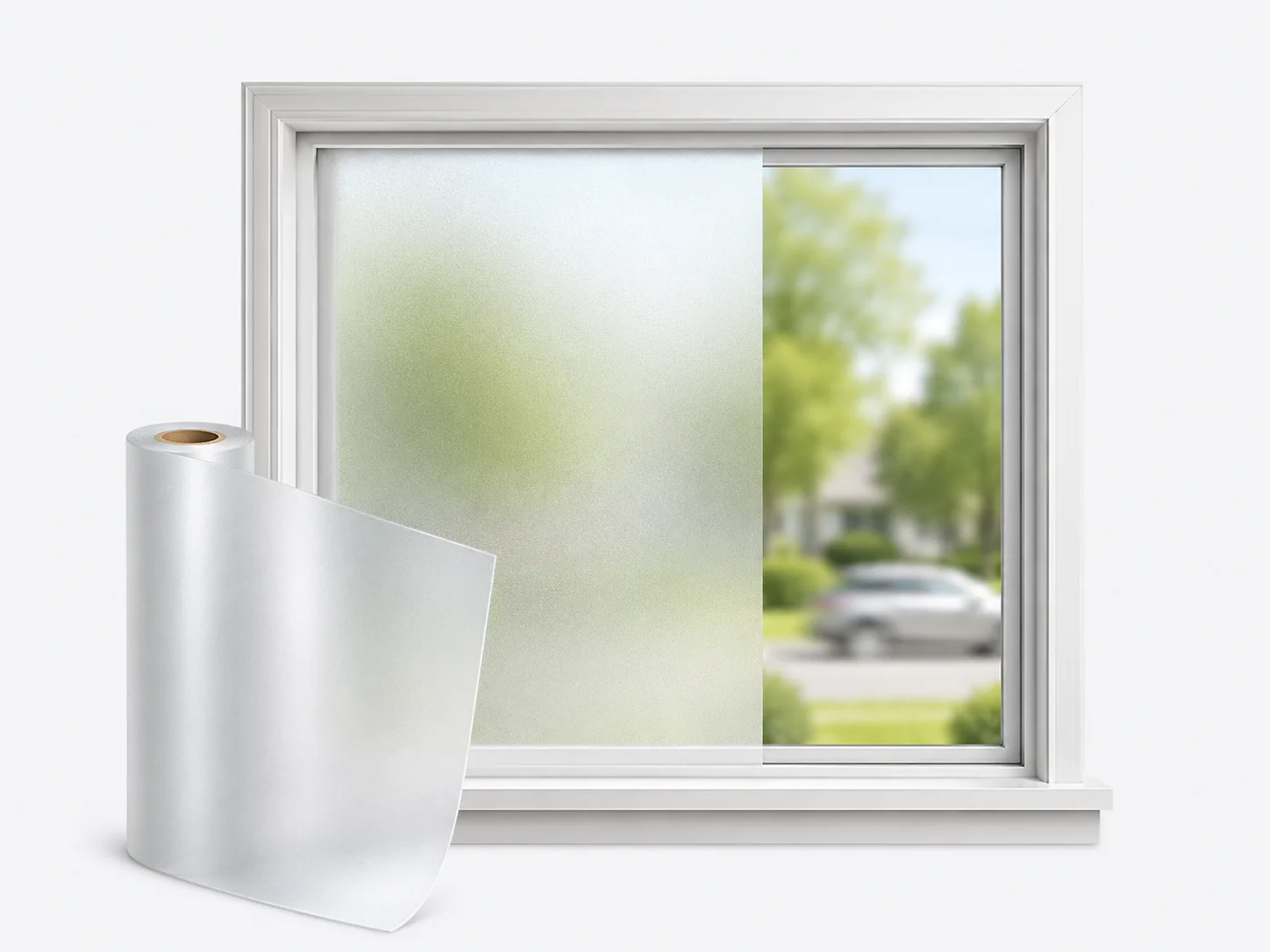
Best for: most daily window barking caused by people, dogs, cars, delivery workers, squirrels, or general outdoor movement.
rabbitgoo Privacy Window Film is the strongest all-around starting point because it solves the most common problem without making the room feel closed off. It blurs the outside view, which can reduce the visual stimulation that keeps many dogs watching the window all day.
This type of film is especially useful for front-facing rooms, townhouses, apartments, patio doors, and low windows where your dog has a clear line of sight. Many pet parents do not need to cover the entire window. Covering the lower half at your dog’s eye level may be enough, especially if your dog does not climb furniture to look out.
The biggest advantage is balance. You still get daylight, but your dog no longer gets a clear view of every passing person or animal. That makes rabbitgoo a good match for living rooms, home offices, and shared spaces where blackout film would feel too dark.
It may not be enough for dogs that react to vague movement, light shifts, or shadows behind frosted glass. In those cases, a blackout product or layered setup may be more useful.
- Strong first choice for common window barking
- Helps blur people, animals, cars, and delivery movement
- Keeps the room brighter than blackout film
- Can be applied only where your dog sees out
- Practical for apartments and rental-style setups
- Not full blackout
- Some dogs may still react to shadows or blurred motion
Best buyer fit: pet parents who want a simple, light-friendly way to block visual access without turning the room dark.
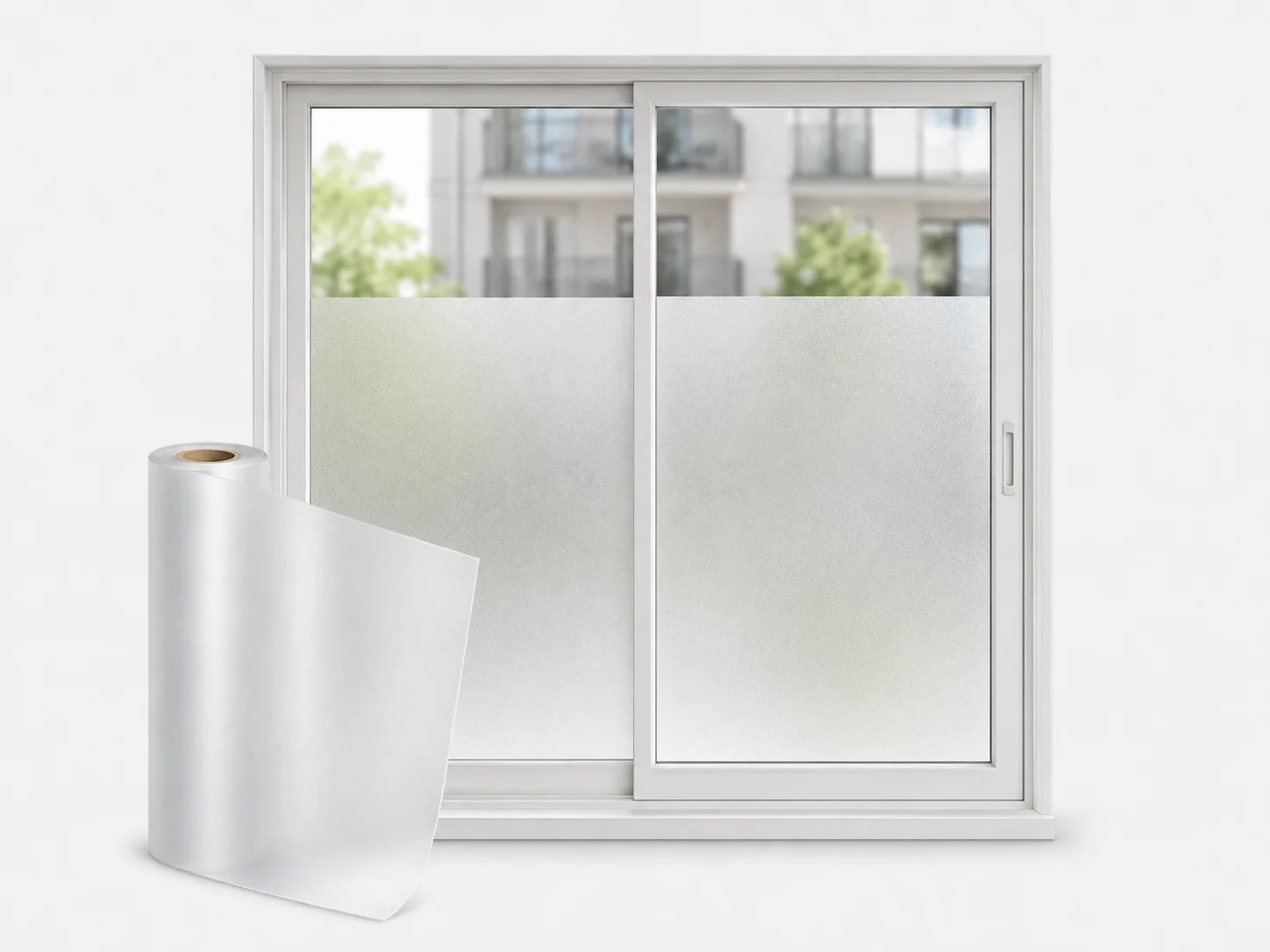
Best for: apartments, street-facing windows, front doors, patio doors, and shared walkways.
Coavas Frosted Window Film is a strong privacy-focused alternative to rabbitgoo. It is a sensible pick when the main issue is visibility from busy areas: sidewalks, neighbors’ doors, parking lots, courtyards, or apartment walkways.
This film is useful for pet parents who want privacy without using heavy curtains or permanent window treatments. Because it is positioned as a removable static-cling style film, it can be a better match for renters than adhesive-heavy options.
For dog barking, Coavas works best when your dog reacts to clear outdoor movement rather than every small shadow. It can help stop the constant visual scanning that happens when a dog has a full view of passing dogs, people, or vehicles.
The tradeoff is that it still lets in light, which means some shapes or soft movement may remain visible depending on the window, lighting, and time of day.
- Good fit for apartments and rental homes
- Useful for front-facing or street-facing glass
- Privacy-focused without full room darkening
- Removable-style setup may suit renters better
- Not the strongest option for extreme reactivity
- May still allow vague movement or light changes
Best buyer fit: dog owners who need privacy on busy windows while keeping natural light in the room.
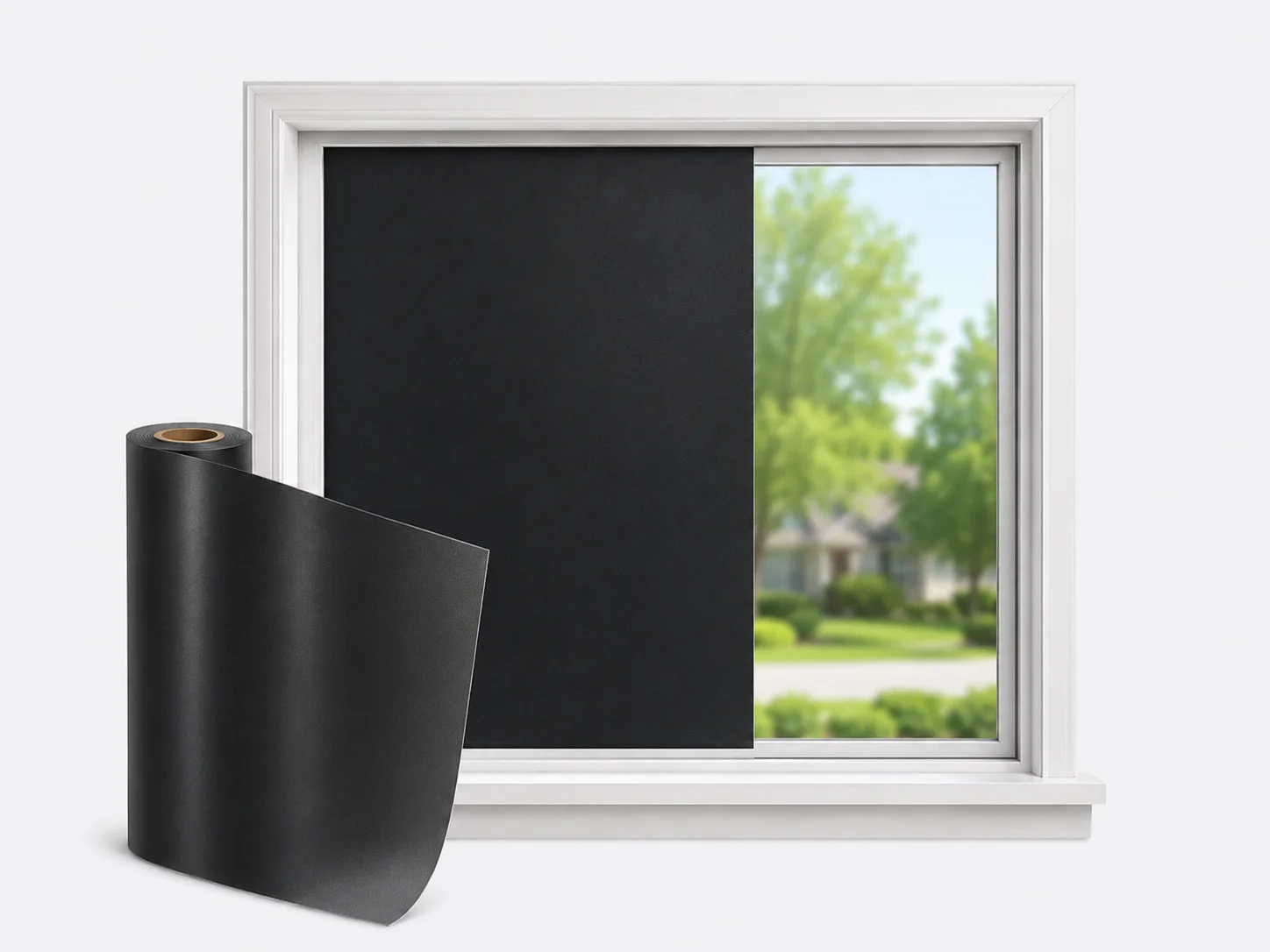
Best for: dogs that still bark through frosted film, react to shadows, or fixate on one specific window.
VELIMAX Blackout Window Film is the strongest visual-blocking option in this guide. It is not the best first choice for every room because it removes daylight, but it can be very useful when softer privacy film does not do enough.
Some dogs are not only reacting to a clear view. They may bark at headlights, silhouettes, tree movement, shadows, or barely visible outdoor changes. In those cases, frosted film may reduce the problem but not fully interrupt it. Blackout film gives stronger coverage because it removes the view more completely.
This product makes the most sense for bedrooms, nap rooms, crate rooms, or one highly problematic window. It is less appealing for a bright living room or home office where you want natural light during the day.
- Strongest visual blocking in this list
- Useful when frosted film is not enough
- Better for dogs that react to shadows or light movement
- Can help create a darker rest area
- Makes the room very dark
- Less comfortable for everyday living spaces
Best buyer fit: owners dealing with intense visual reactivity at one window or in a room where darkness is acceptable.
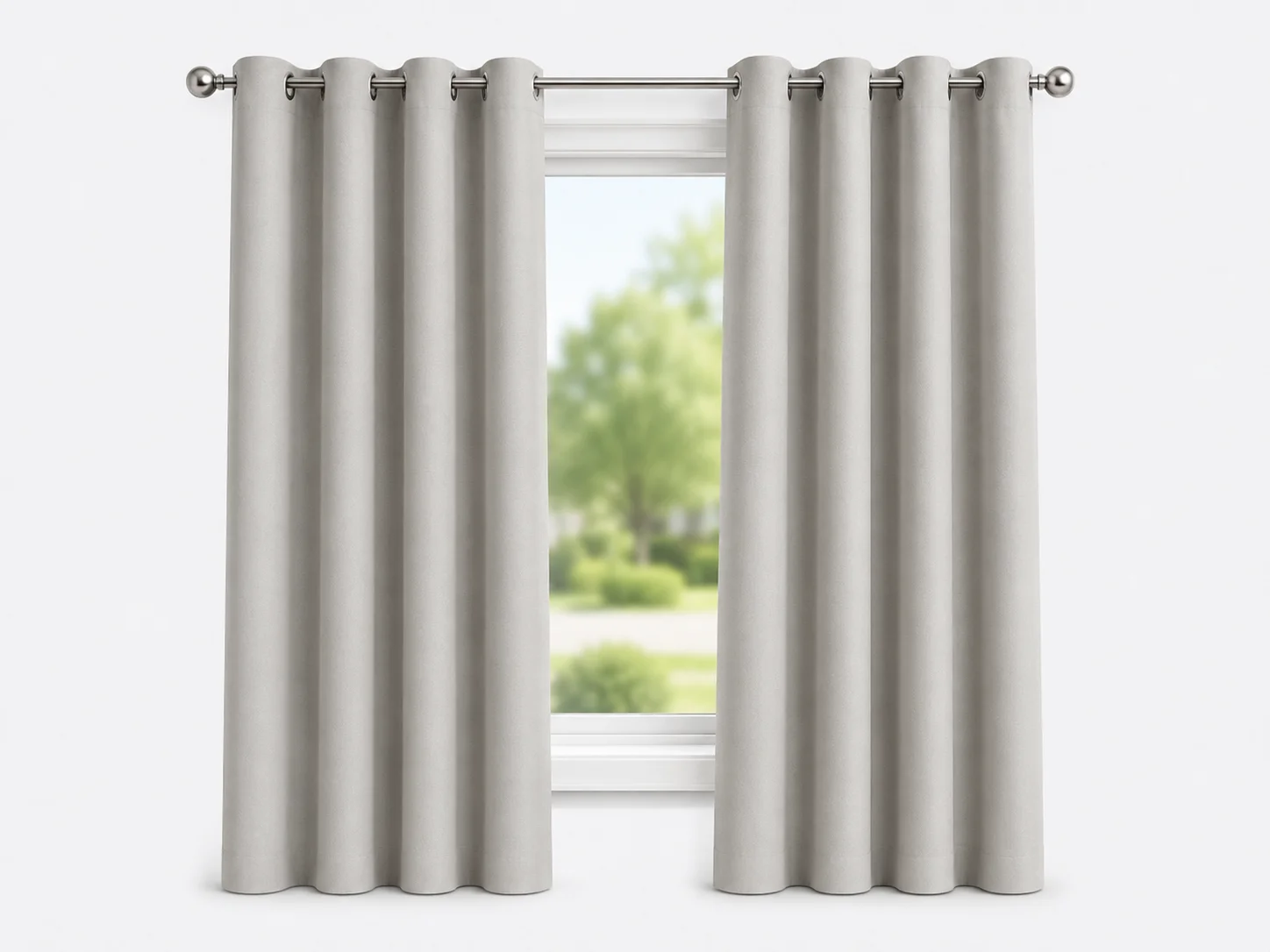
Best for: bedrooms, nap spaces, and layered setups where film alone is not enough.
NICETOWN Blackout Curtains can reduce outside movement and light, but they are usually better as a supporting layer than the main answer for a determined window-watcher.
Curtains can help in bedrooms, rest areas, or rooms where your dog does not actively push through fabric. They can also pair well with privacy film: the film handles the glass-level view, while curtains add darkness and reduce extra stimulation during rest times.
The weakness is access. Many dogs can nose curtains aside, crawl behind them, jump onto furniture, or create gaps. If your dog is already rehearsing a strong window-barking routine, curtains alone may be too easy to bypass.
They are still worth considering if you need a softer home setup, want help with bedroom light, or prefer not to apply blackout film directly to glass.
- Helpful backup for bedrooms and rest areas
- Can reduce light and visible movement
- Works well with frosted or blackout film
- Does not require sticking film to the window
- Dogs may move them aside
- Not precise for lower-half window coverage
- Fabric may not suit dogs that chew or paw curtains
Best buyer fit: pet parents who want an extra visual layer, especially for sleeping areas or calmer rooms.
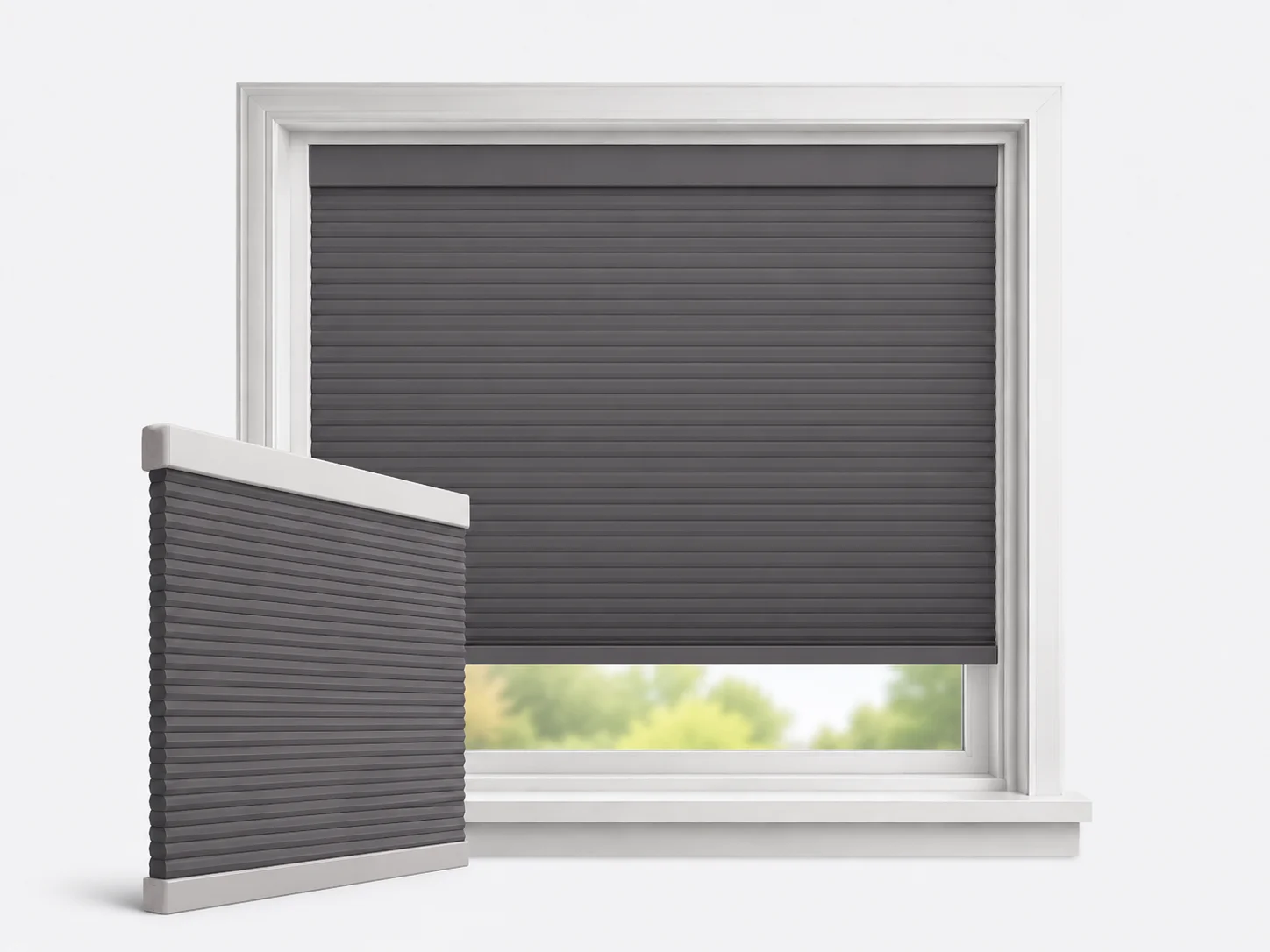
Best for: renters who want adjustable blackout-style coverage without drilling.
LazBlinds Blackout Cordless Blinds are a more structured option than curtains. They may suit renters or apartment dog owners who want stronger coverage but do not want to apply film to the glass or install traditional hardware.
The adjustable design is useful because you can close the blind during busy barking times and open it when your dog is not in the room. Cordless construction is also better around pets than dangling cords, which can create safety risks.
For barking management, the key issue is fit. If the blind leaves side gaps, your dog may still catch movement. If your dog pushes behind blinds or paws at them, the setup may not hold up well. For dogs that need direct glass-level blocking, privacy film is often more reliable.
- No-drill option for renters
- More structured than curtains
- Adjustable coverage
- Cordless design is safer around pets than corded blinds
- Side gaps can reduce effectiveness
- Some dogs may paw behind or damage blinds
- More expensive than simple window film
Best buyer fit: renters who want a non-film, adjustable window-covering option for bedrooms, apartments, or rental spaces.
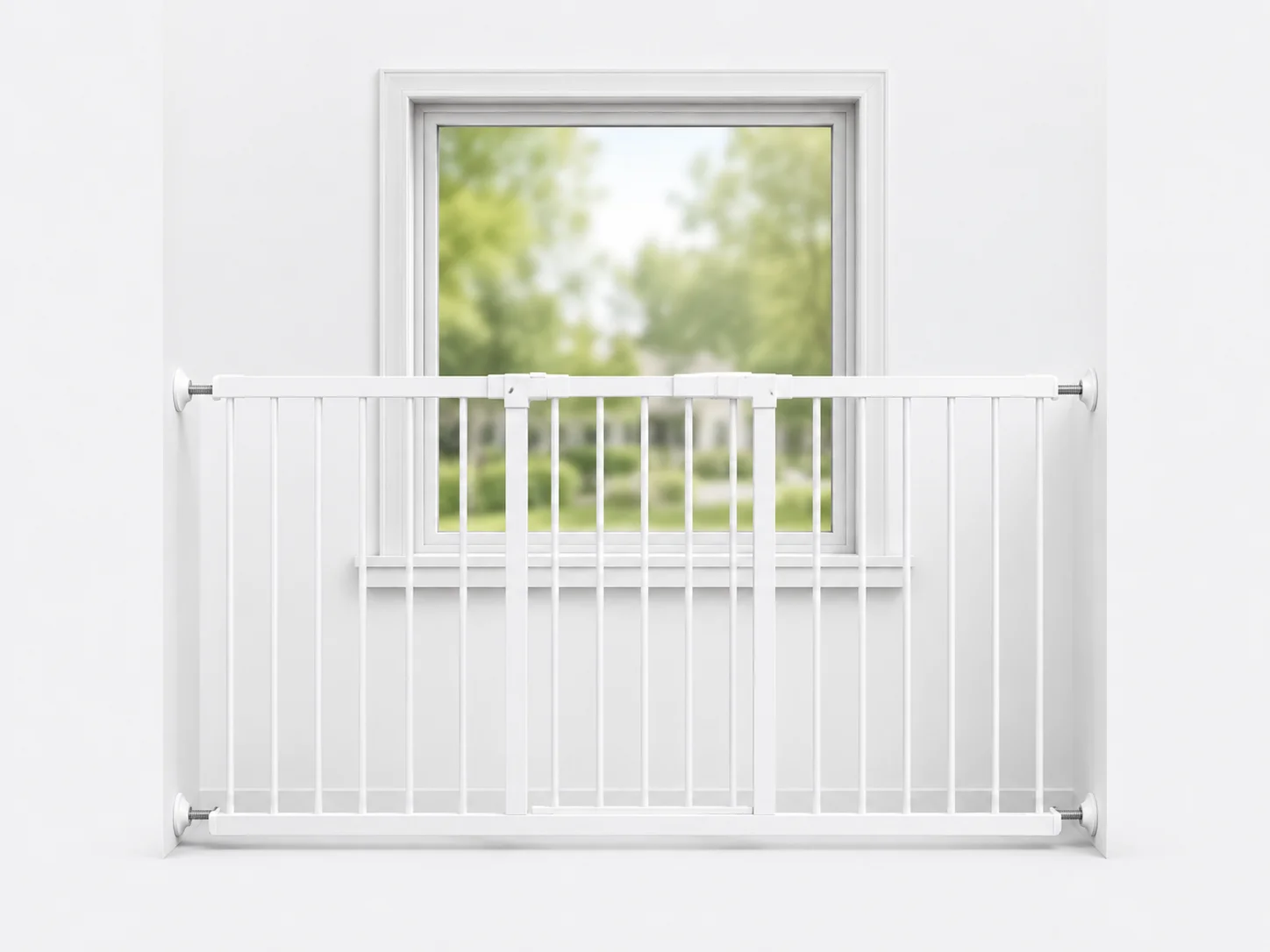
Best for: dogs that rush the window, climb furniture, or keep reaching the barking spot.
The Regalo Baby Gate / Pet Gate is not a window film or window cover. It will not blur the view, block shadows, or hide outdoor movement. Its role is distance management.
This can still matter. Some dogs do not only bark because they see something. They also build a physical routine around the window: running to the glass, jumping on furniture, pawing at blinds, scanning, barking, and repeating the cycle. A gate can help limit access to that zone.
A gate works best when paired with window film, curtains, or blinds. It may also protect your window treatments from damage if your dog paws, noses, or jumps at the glass area.
Do not use a gate as a punishment or force your dog behind a barrier if confinement increases panic. If your dog becomes frantic, drools heavily, scratches, screams, or tries to escape when blocked from the window, you may need a more careful behavior plan.
- Helps create distance from the window
- Useful with film, curtains, or blinds
- May protect window coverings from damage
- Can reduce rehearsed rushing-to-window behavior
- Does not block the view by itself
- Not suitable for dogs that panic behind barriers
- Some dogs may jump or push past gates
Best buyer fit: owners who need to keep their dog away from the glass while using another product to block the view.
Buying Guide: How to Choose the Right Window Cover for Dog Barking
Match the Product to What Your Dog Actually Reacts To
Before buying anything, watch your dog for a few days. Are they barking at clear views of people and dogs? Or do they react to shadows, reflections, headlights, or any motion near the window?
If the problem is a clear view, frosted window film is usually the best starting point. If your dog reacts even when the view is blurred, blackout coverage may be more appropriate.
Start at Your Dog’s Eye Level
Many pet parents cover more window than they need. If your dog only sees out through the lower half, start there. This keeps the room brighter and still removes the most important visual access.
If your dog climbs the couch, jumps onto a chair, or stands on a sill, you may need higher coverage or a furniture change.
Choose Frosted Film for Living Spaces
Frosted privacy film is usually better for living rooms, offices, and daytime spaces because it lets in light. It can reduce visual stimulation without making the home feel closed in.
This is why rabbitgoo and Coavas are better first choices for most everyday window barking cases.
Choose Blackout Film Only When Stronger Blocking Is Needed
Blackout film can be useful, but it changes the room. Use it where darkness is acceptable: bedrooms, nap areas, crate rooms, or one specific window that causes major barking.
If your dog only reacts to clear outdoor movement, blackout may be more than you need.
Be Careful With Curtains and Blinds
Curtains and blinds can help, but only if your dog leaves them alone. If your dog pushes curtains aside or paws behind blinds, the setup may fail quickly.
Curtains work better as a second layer. Blinds work better when they fit tightly and your dog cannot reach behind them.
Use Gates for Distance, Not Visual Blocking
A pet gate can help if your dog runs to the window, jumps on furniture, or damages window coverings. But a gate will not solve visual barking unless the view is also blocked.
For many homes, the best setup is frosted film on the lower window plus a gate or furniture change to reduce access.
Remember the Humane Behavior Context
Window film and window covers are management aids, not punishment tools. They can reduce daily barking practice, but they do not teach your dog how to feel safe or relaxed by themselves.
Contact a veterinarian or qualified force-free trainer if your dog shows panic, self-injury, destructive behavior, house soiling, sudden behavior changes, appetite changes, heavy drooling, escape attempts, severe distress, or nonstop vocalizing. Those signs may need professional support, not just a product change.
Avoid shock, fear-based, or startling bark devices as a first response, especially for anxious, reactive, or noise-sensitive dogs.
FAQs
Will window film stop my dog from barking completely?
No. Window film may reduce barking when the main cause is visible outdoor movement, but it will not fix every type of barking. Dogs may also bark because of anxiety, boredom, fear, frustration, pain, separation distress, or routine problems.
Is frosted window film better than blackout film?
For most homes, yes. Frosted film blocks the clear view while still letting in light, so it is easier to live with during the day. Blackout film is better when a dog reacts to shadows, vague shapes, or any movement near the glass.
Should I cover the whole window?
Start with the part your dog uses to look outside. For many dogs, that means the lower half of the window. If your dog climbs furniture or still sees movement above the film, increase the coverage.
Is window film renter-friendly?
Static-cling style window film is usually more renter-friendly than permanent adhesive products, but always check the product details and your lease rules before installing. Test a small area first if you are worried about removal.
Are curtains enough for dogs that bark at windows?
Sometimes, but not always. Curtains may help if your dog does not push them aside. For persistent window-watchers, film is often more reliable because it blocks the view directly on the glass.
What should I use for a dog that reacts to shadows?
A blackout option such as VELIMAX may be more useful than frosted film. You can also combine film with curtains or adjust furniture so your dog cannot sit and scan the window.
Is window film safe for anxious or reactive dogs?
Window film is generally a humane management tool because it removes or reduces the visual stimulus instead of punishing the dog. If your dog shows panic, self-injury, destructive behavior, house soiling, or severe distress, involve a veterinarian or qualified force-free trainer.
What is the best option for apartment dog barking?
Coavas is a strong apartment choice because it focuses on privacy and removable-style use for street-facing or shared-space windows. rabbitgoo is also a strong pick if you want balanced privacy and daylight.
Sources & References
Click to view all sources
- Product details and Amazon listings provided in the original pasted draft.
- rabbitgoo Privacy Window Film — Amazon product page
- Coavas Frosted Window Film — Amazon product page
- VELIMAX Blackout Window Film — Amazon product page
- NICETOWN Blackout Curtains — Amazon product page
- LazBlinds Blackout Cordless Blinds — Amazon product page
- Regalo Baby Gate / Pet Gate — Amazon product page
Final Recommendation
The best window film for dog barking is rabbitgoo Privacy Window Film for most pet parents. It blocks the clear outdoor view, keeps the room bright, and works well for common triggers like neighbors, dogs, delivery workers, cars, and sidewalk movement.
Choose Coavas Frosted Window Film if you live in an apartment or need stronger privacy for street-facing glass. Choose VELIMAX Blackout Window Film if your dog still reacts to shadows or blurred shapes. Use NICETOWN curtains, LazBlinds, or a Regalo gate as support when your dog needs extra blocking or distance from the window area.
For most homes, start simple: cover the lower half of the problem window with frosted film, watch your dog’s response, and add stronger management only if needed.
Check rabbitgoo Price on Amazon ✓
✓