


Which Anti-Bark Solution Should You Try First?
For most dogs, start with the barking trigger rather than an ultrasonic device or bark collar. Use frosted window film for people-and-dog triggers outside, a white noise machine for hallway sounds, a clicker for teaching quiet behavior, a stuffed KONG for boredom, or a camera when you do not yet know what happens while you are away. For a product-by-trigger shortlist, compare these humane bark-collar alternatives.
The limitation is that none of these products fixes fear, pain, separation distress, or aggression by itself. In those cases, another deterrent may suppress communication without resolving the cause. Current professional guidance favors reward-based training and environmental management over aversive corrections.
Quick Product Matches by Barking Trigger
How We Researched
We checked official product specifications, support information, current retailer listings, professional behavior guidance, and practical concerns raised in public dog-owner discussions. Product details and availability were checked in July 2026, although stock and model options can differ between Amazon US, UK, Canada, and Australia.
We did not personally test every product in this guide. Recommendations are based on trigger fit, verified features, setup requirements, meaningful limitations, and whether a simpler option should be tried first.
Quick Comparison: Which Option Fits the Problem?
| Product | Suitable for | Key advantage | Setup or subscription | Main limitation |
|---|---|---|---|---|
| rabbitgoo Frosted Window Film | Dogs reacting to people, vehicles, or animals through glass | Reduces direct access to the visual trigger | Measure, trim, and apply to clean glass; no subscription | Does not block hallway or outdoor sounds |
| LectroFan EVO | Apartment, elevator, hallway, or shared-wall sounds | Offers 22 adjustable fan, noise, and ocean sounds | Plug-in setup; no subscription | Masks sound but does not teach quiet behavior |
| PetSafe Clik-R Training Tool | Attention barking and replacement-behavior training | Marks the exact behavior that earns a reward | Requires treats, timing, and repeated short sessions | Not an instant silence device |
| KONG Classic | Predictable boredom or restless periods | Stuffable natural-rubber enrichment toy | Choose the correct size and supervise initially | Not enough for panic or separation anxiety |
| TP-Link Tapo C120 | Identifying triggers when nobody is watching | Bark detection, 2K video, and optional local storage | Wi-Fi and microSD card; cloud plan optional | Monitoring does not change the behavior by itself |
Five Products That Match Different Barking Triggers

rabbitgoo Frosted Window Film
This removable-style window film is a practical starting option when barking begins as soon as a dog sees pedestrians, delivery drivers, vehicles, or other animals outside. Reducing the view can lower the number of trigger events before training begins.
rabbitgoo lists several static-cling, non-adhesive, and removable frosted-film options. This makes the category relevant for renters or anyone who does not want permanent blinds or coatings.
Who should avoid it: Skip this as the main solution when barking happens in rooms without windows or when sound, attention, fear, or separation is the clear trigger. Confirm that the selected film is compatible with your glass type before trimming it.
Setup tip: Start by covering the lower section the dog can see through. Pair calmer responses near the window with rewards instead of waiting for a full barking episode.
Review rabbitgoo’s official film options
Check Current Price on Amazon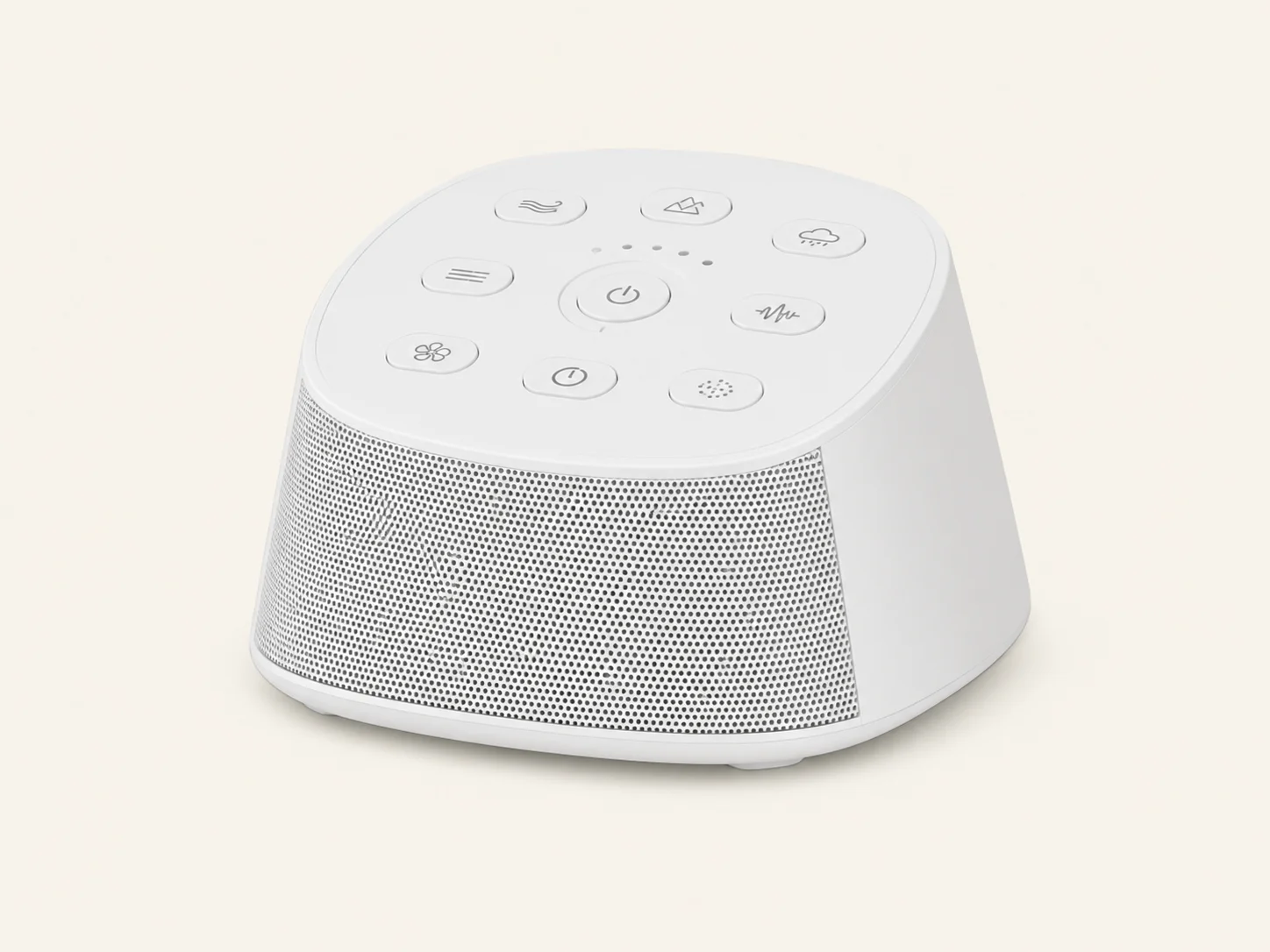
LectroFan EVO
The LectroFan EVO is most relevant for dogs that alert-bark at footsteps, doors, elevators, shared walls, or intermittent outside noise. The manufacturer lists ten fan sounds, ten noise variations, and two ocean sounds, giving owners more adjustment than a basic single-sound machine.
Its steady background sound may make sudden noises less distinct. It is a management tool rather than a training device, so it works best alongside rewards for settling or moving to a bed.
Who should avoid it: Do not assume louder is better. Avoid placing it close to the dog’s bed or using it to cover signs of panic. Stop or lower the volume if the dog leaves the room, cannot settle, or shows discomfort.
Setup tip: Place it between the dog’s resting area and the main noise source. Begin at a low setting and test different tones while observing body language.
Check official LectroFan EVO specifications
View Latest Price on Amazon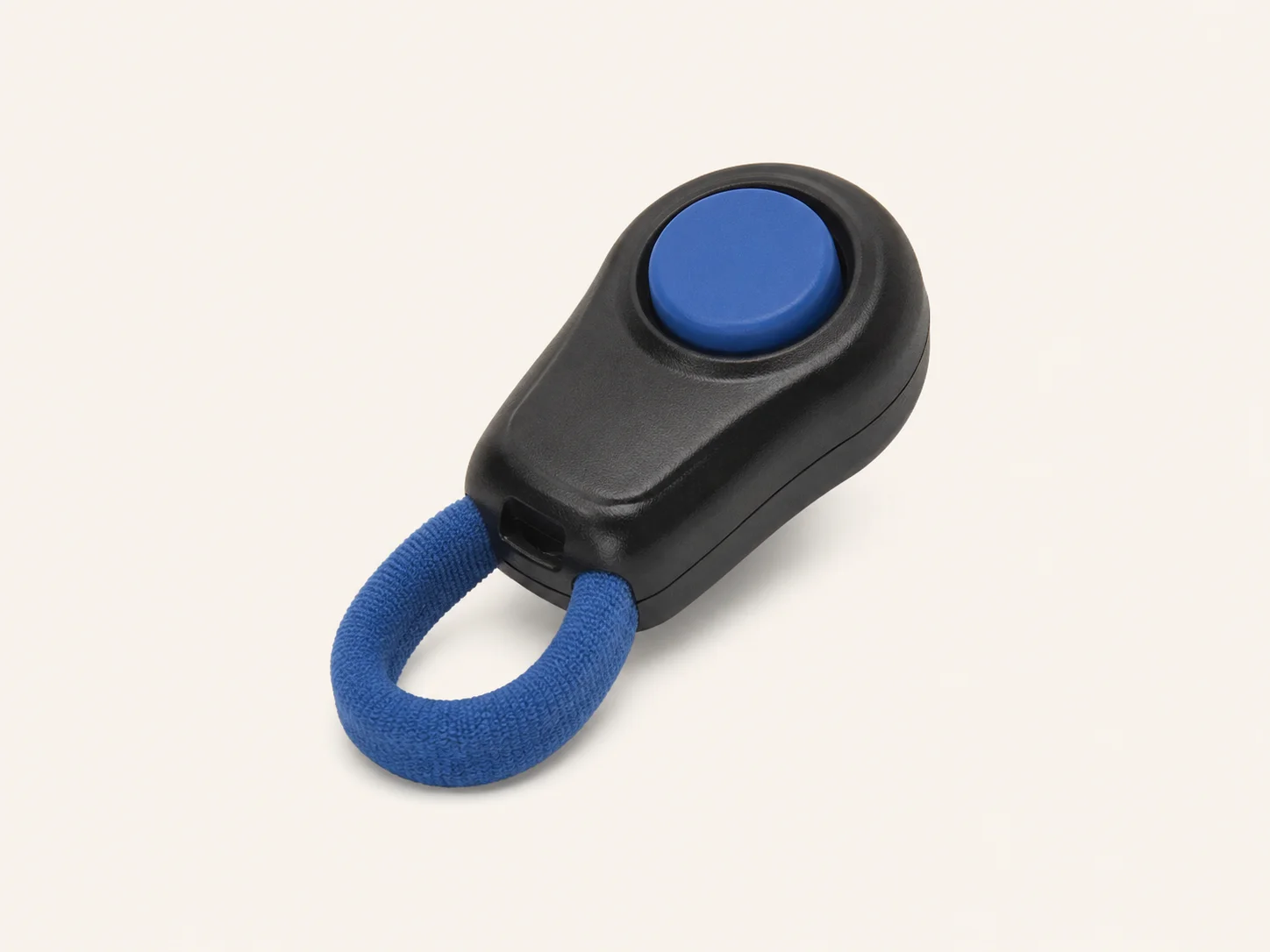
PetSafe Clik-R Training Tool
The Clik-R is a stronger long-term match than an automatic deterrent when an owner can train during predictable triggers. The click marks the precise moment the dog looks away from a window, pauses, goes to a mat, or remains quiet.
PetSafe lists an ergonomic finger band and a battery-free design. The tool is small enough to keep ready near a door, desk, or treat station, where timing often matters most.
Who should avoid it: Do not click close to the ears of a dog that startles at sharp sounds. A calm verbal marker such as “yes” may be more suitable. Clicker training is also not a substitute for veterinary or behavior support in severe cases.
Usage tip: Practice away from the barking trigger first. Click once, immediately deliver a small reward, and repeat until the dog clearly expects the reward after the sound.
Review the official Clik-R product details
Check Availability on Amazon
KONG Classic
The KONG Classic is most relevant when barking appears during predictable periods of inactivity, such as work calls, evening restlessness, or short indoor settling periods. Its hollow natural-rubber design can be filled with part of the dog’s normal meal or another suitable food.
KONG describes the red Classic formula as intended for average chewers and offers multiple sizes. The company advises supervised use, removing the toy if damaged, and considering a larger size or KONG Extreme for power chewers.
Who should avoid it: It may be unsuitable for dogs that destroy and swallow rubber, guard food, require a restricted diet, or become frustrated by difficult toys.
Usage tip: Make the first fillings easy. Increase difficulty gradually and count the food toward the dog’s daily intake.
Check official KONG sizing and safety guidance
Check Current Price on Amazon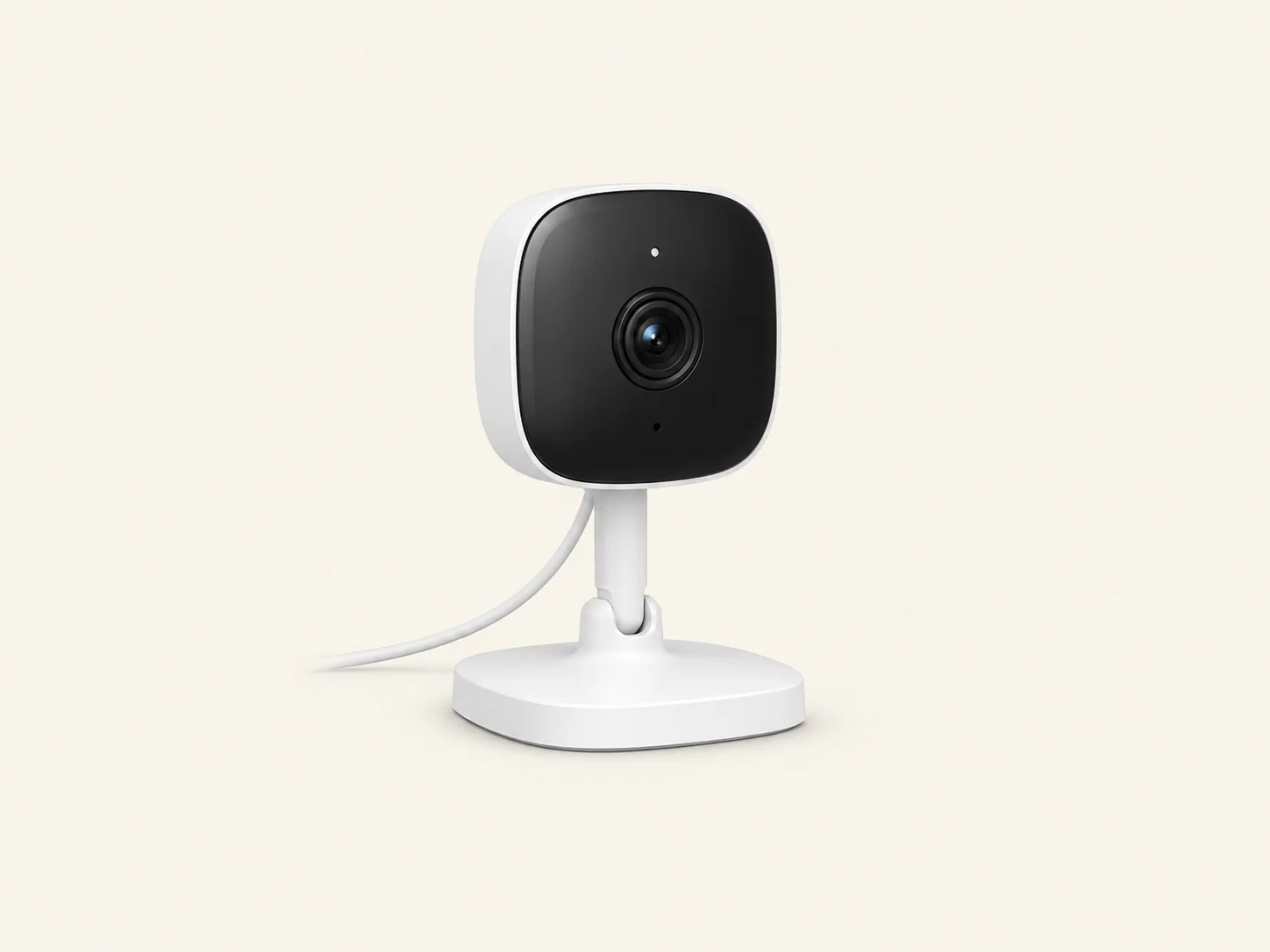
TP-Link Tapo C120 Camera
The Tapo C120 is useful when neighbors report barking or the problem occurs while the owner is away. TP-Link lists 2K QHD video, bark and pet detection, two-way audio, and local microSD storage support up to 512GB. Tapo Care cloud storage is optional and requires a subscription.
Recorded patterns can help separate a window trigger from hallway noise, boredom, brief alert barking, or distress-related pacing and vocalization.
Who should avoid it: Choose another model if one fixed angle cannot cover the relevant area. Also consider household privacy, account security, Wi-Fi reliability, and whether local or cloud recording better fits your needs.
Setup tip: Review the recording instead of reacting only to notifications. Log the time, trigger, duration, recovery time, and accompanying behaviors.
Review official Tapo C120 specifications
View Latest Price on AmazonWhat Should You Check Before Buying?
- What happens immediately before the barking?
Look for a person outside, a door sound, owner attention, inactivity, or departure cues. - Does the product remove the trigger or only interrupt the bark?
Trigger control and replacement behavior usually provide a clearer long-term plan. - Can the product fit the home safely?
Measure glass, check camera coverage, secure electrical cords, and choose the correct toy size. - Are you seeing distress rather than nuisance barking?
Pacing, escape attempts, destruction, trembling, or prolonged vocalization require a different response.
How to Set Up the Product Without Guessing
- Observe before changing everything. Record several barking events and identify the most consistent trigger.
- Change one variable first. Test the window film, sound masking, enrichment, or camera placement separately so you can judge whether it helps.
- Reward the behavior you want. Mark and reward looking away, moving to a bed, checking in with you, or remaining quiet for a short period.
- Review the result after several realistic trigger events. Stop using any setup that increases fear, avoidance, frustration, or unsafe behavior.
When Another Product Is Unlikely to Be Enough
Arrange a veterinary assessment when barking begins suddenly, changes sharply, occurs in a senior dog with new confusion, or appears connected to pain or another health change.
Seek qualified behavior help when barking includes panic while alone, repeated escape attempts, aggression, lunging, biting risk, or intense fear. Do not use an ultrasonic, vibration, spray, or static collar to suppress these warning signs.
The American Veterinary Society of Animal Behavior recommends reward-based methods for training and behavior modification. The ASPCA barking guide also emphasizes identifying the reason for barking, while VCA’s quiet-barking guidance recommends examining what happens before and after the behavior.
Frequently Asked Questions
Will frosted window film stop my dog from barking completely?
No. It may substantially reduce visual-trigger barking, but it will not block voices, doors, vehicles, or other sounds. Continued barking usually means another trigger remains or the window behavior has become a practiced habit.
Why does my dog still bark after I turn on white noise?
Sound masking reduces contrast rather than making the room silent. The machine may be in the wrong position, the selected tone may not cover the trigger, or the dog may also be reacting to movement, vibration, or anticipation.
Can a clicker accidentally reward the barking?
Yes, poor timing can mark the wrong moment. Click after the dog pauses, looks away, checks in, or performs the chosen replacement behavior. Practice the click-and-reward association away from difficult triggers first.
Is a camera useful without paying for cloud storage?
It can be. The Tapo C120 supports live viewing and local microSD recording, although the card is purchased separately. Some enhanced cloud history and notification features require the optional Tapo Care subscription.
Why might a bark collar make an anxious dog worse?
The dog may associate the vibration, spray, sound, or static correction with the person, animal, noise, or situation that already caused fear. The barking may decrease while the underlying anxiety remains or intensifies. PetMD advises against punishment-based anti-barking devices, and AVSAB recommends reward-based methods.
Final Recommendation
Start with the product that matches the trigger: rabbitgoo film for window activity, LectroFan EVO for shared-wall sounds, PetSafe Clik-R for teaching quiet behavior, KONG Classic for boredom, or Tapo C120 when you first need evidence of what happens.
Do not buy an ultrasonic or bark collar simply because it promises faster silence. When barking is driven by fear, aggression, pain, confusion, or separation distress, skip the device-first approach and seek veterinary or qualified behavior guidance.
 ✓
✓