

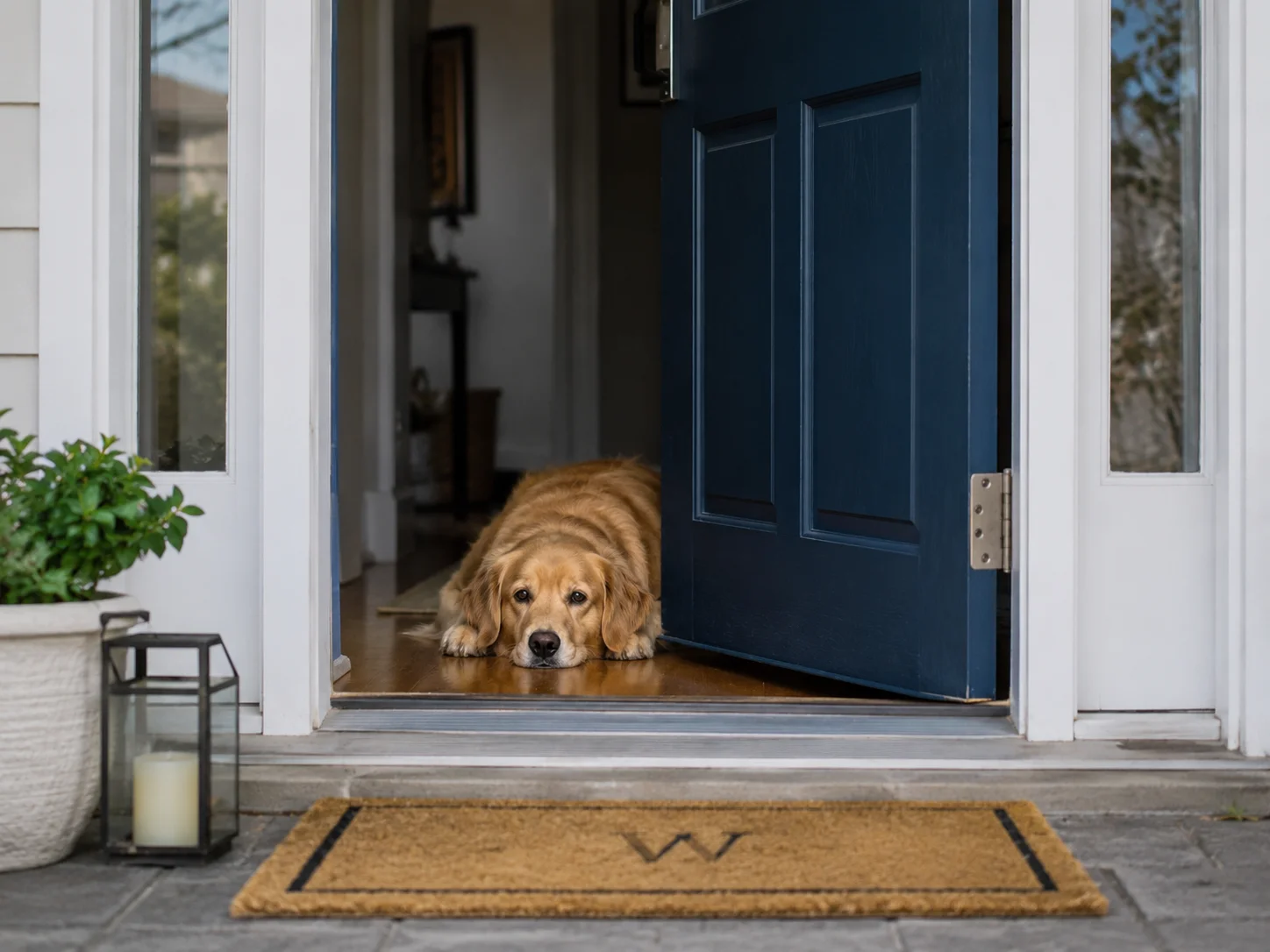
Dog separation anxiety regression is an informal way to describe a setback after a dog had seemed more comfortable when left alone. The returning behavior may include barking, pacing, indoor toileting, drooling, food refusal, destructive behavior near exits, or attempts to escape.
Yes, separation-related distress can return after progress but a setback does not automatically erase everything your dog has learned.
First, reduce the difficulty of alone time, avoid punishment, and use a camera to identify when the distress starts and what may trigger it. Routine changes, a longer absence, moving home, outside noise, confinement, pain, illness, or age-related changes can all alter how well a dog copes.
Contact a veterinarian promptly if the change is sudden, rapidly worsening, linked with injury, or accompanied by pain, confusion, appetite changes, night waking, house soiling, or disorientation.
This guide helps you observe patterns and choose a safer next step. It cannot diagnose separation anxiety or rule out a medical problem.
Quick Table: What Might Be Causing the Setback?
The most useful clue is usually the pattern: what changed, when the behavior begins, whether confinement is involved, and whether signs occur only during separation.
| What Changed? | What You May See | What It May Mean | Safer Next Step |
|---|---|---|---|
| Vacation, illness, holiday, or a work-from-home period | Distress when the previous schedule returns | The new routine may have lowered the dog’s tolerance for the old absence pattern | Restart with shorter, manageable absences instead of immediately resuming the longest one |
| A longer absence than usual | Calm during brief trips but distressed during longer ones | The absence may have exceeded the dog’s current coping threshold | Use video to find the earliest stress sign, then shorten the next practice |
| New home, neighbor, hallway noise, construction, storms, or fireworks | Barking or pacing begins after a sound or movement | An environmental trigger may be contributing to the behavior | Record the dog and note the exact event that happened before distress began |
| Crate, pen, baby gate, or closed room | Bar biting, scratching, heavy panting, frantic escape attempts, or injuries | Confinement may be adding distress rather than creating safety | Stop unsafe confinement and discuss a safer setup with a qualified professional |
| Senior dog behaving differently | Confusion, pacing, night waking, clinginess, house soiling, or changed interaction | Pain, sensory change, illness, or cognitive change may be involved | Arrange a veterinary assessment rather than treating it only as a training issue |
| No obvious change | A sudden struggle after a period of improvement | A hidden stressor, health change, or subtle routine shift may have been missed | Review sleep, appetite, medication, noise, visitors, departure cues, and absence duration |
The ASPCA notes that schedule, residence, and household changes can be associated with separation anxiety. These associations do not prove the cause of an individual dog’s setback, but they give you practical variables to check.
Why Does Separation Anxiety Come Back in Dogs?
A relapse can happen when the current situation becomes harder than the dog’s present coping ability. The important question is not “Did training fail?” but “What changed in duration, context, health, or environment?”
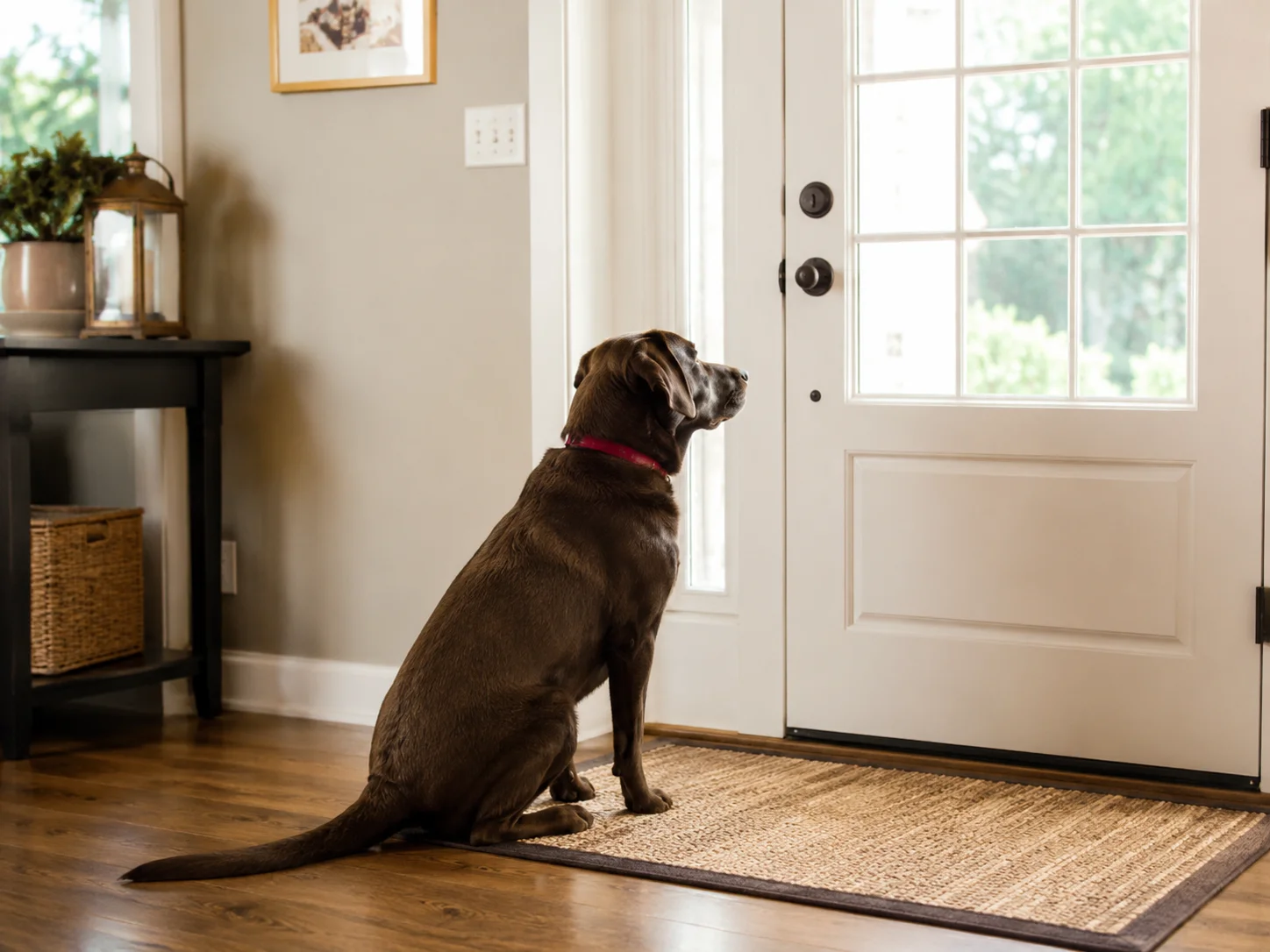
1. The Daily Routine Changed
Dogs can learn predictable patterns around work, school, meals, walks, and departures. A vacation, household illness, return to office work, new school schedule, or a family member leaving the home may change those cues and make alone time harder again.
Example, not a diagnosis
A dog was comfortable during a normal workweek. The owner then spent two weeks at home. When the old work schedule resumed, the dog began vocalizing shortly after departure. This pattern may point to a routine-related setback, but video and a health review are still needed to rule out other contributors.
2. Alone Time Increased Too Quickly
A dog may remain calm for a short absence yet struggle when the duration jumps sharply. For example, being comfortable for 20 minutes does not automatically mean the dog is ready for three hours.
The ASPCA describes graduated absences that stay shorter than the time it takes the dog to become distressed. Because timing and stress signals vary by dog, moderate or severe cases are best planned with an experienced professional.
3. A New Trigger Was Added to Being Alone
Some dogs react to separation plus another event, such as delivery noise, hallway activity, construction, storms, fireworks, a nearby dog, or movement outside a window. If barking begins only after a sound rather than immediately after departure, the plan may need to address both the absence and the environmental trigger.
4. Confinement Is Increasing Distress
A crate, pen, gate, or closed room may be comfortable for one dog and distressing for another. Monitor the individual dog rather than assuming confinement will prevent separation-related behavior.
Stop and reassess confinement if you see injury risk
- Frantic or repeated escape attempts
- Biting or bending crate bars
- Broken nails, damaged teeth, or bloody paws
- Heavy panting, excessive drooling, trembling, or persistent vocalizing
- Repeated soiling combined with visible panic
The ASPCA advises monitoring whether a crate adds stress, while PDSA recommends going back a stage when a dog shows worry during crate training.
5. Pain, Illness, Sensory Change, or Aging Is Involved
A sudden behavior change should not be assumed to be purely behavioral. Pain, illness, altered sleep, hearing or vision changes, medication effects, and age-related cognitive changes can affect how a dog behaves when alone.
The American Animal Hospital Association’s senior-care guidance lists changes such as disorientation, altered interaction, sleep-wake disruption, loss of house training, pacing, appetite change, and anxiety among signs that may warrant veterinary investigation.
Signs of Separation Anxiety Regression in Dogs
Look for a cluster of distress signs tied to departure or separation. One behavior by itself especially barking, chewing, or toileting does not confirm separation anxiety.
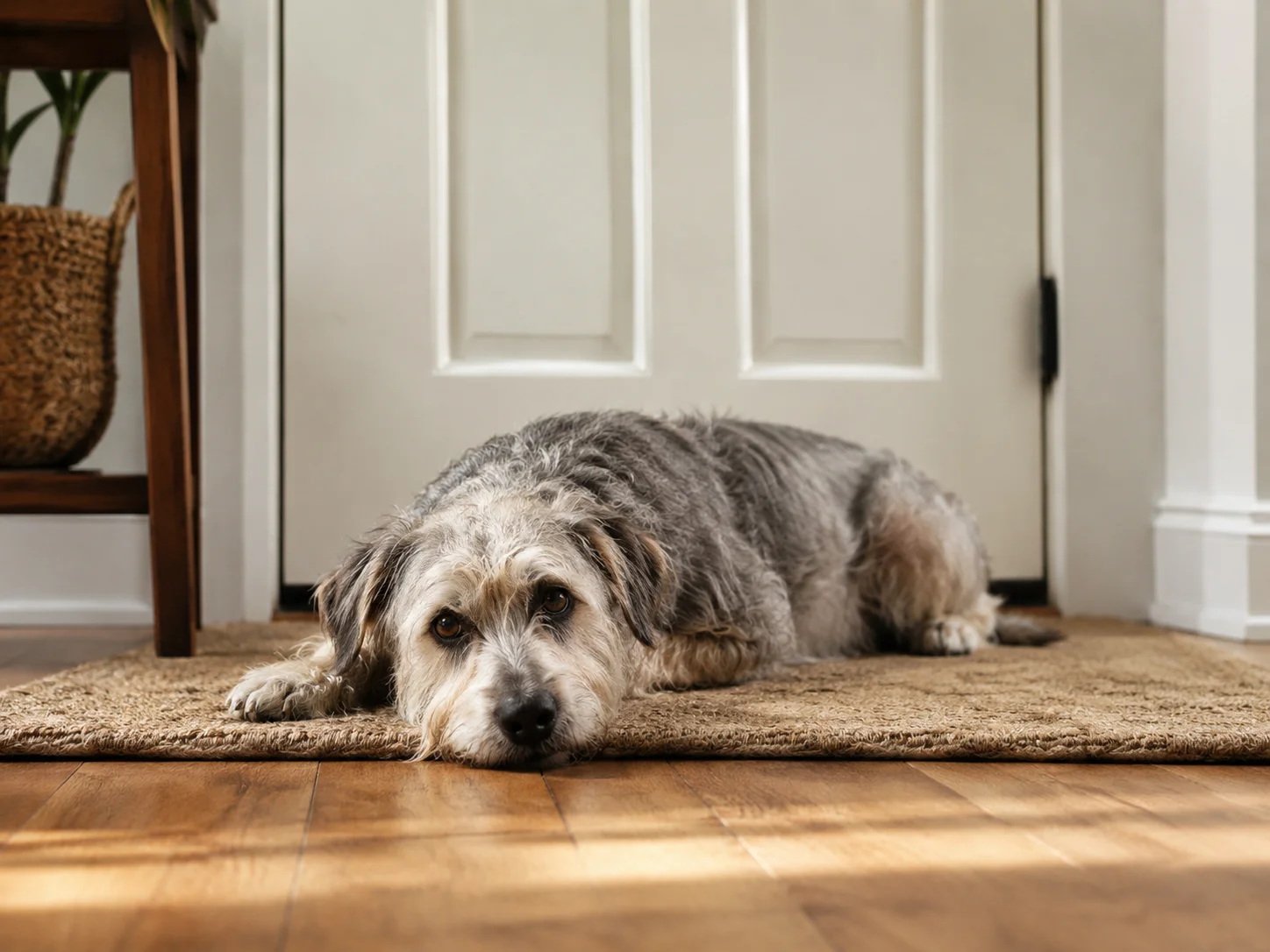
More suggestive of separation distress
- Signs begin during departure cues or soon after the person leaves
- Destruction or scratching focuses on doors, windows, crates, or exit areas
- Pacing follows a repeated route
- The dog refuses food while alone but eats after the person returns
- Drooling, trembling, panting, or frantic escape behavior occurs with separation
May point to another explanation
- Barking happens with the owner present and follows outside sounds
- Chewing occurs frequently whether the dog is alone or not
- House soiling also happens during sleep or when the owner is home
- The dog shows pain, weakness, urinary changes, vomiting, or disorientation
- Behavior starts long after departure and follows a specific noise or event
PDSA recommends camera monitoring when the pattern is unclear, and the RSPCA also recommends checking for less obvious signs while the dog is alone.
What to Check If It Came Back “Out of Nowhere”
Treat “out of nowhere” as a prompt to investigate. Small changes in health, noise, sleep, confinement, departure cues, or absence length can be easy to miss.
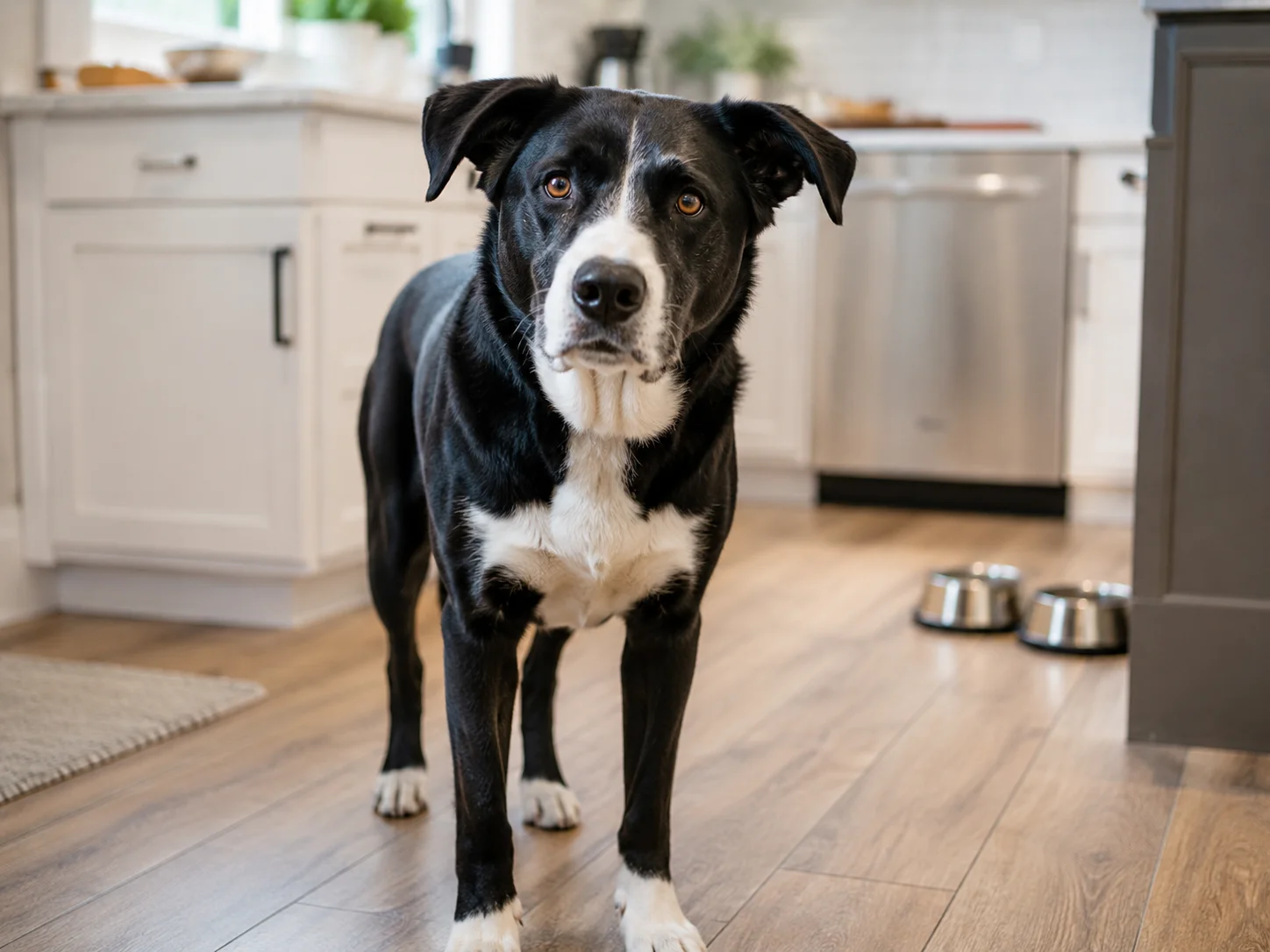
- Schedule: Did work, school, meals, walks, or departure times change?
- Recent togetherness: Did your dog spend much more time with you during a holiday, illness, or work-from-home period?
- Duration: Was the dog left longer than the last reliably calm absence?
- Environment: Was there a move, room change, construction project, storm, alarm, new neighbor, or delivery pattern?
- Confinement: Did you add or change a crate, pen, gate, or closed room?
- Recent events: Did boarding, daycare, travel, a veterinary visit, a new pet, or a household change occur?
- Health: Are there changes in sleep, appetite, mobility, toileting, thirst, medication, hearing, vision, or orientation?
- Timing: Does distress begin before departure, within minutes, after a sound, or much later?
Use a Short Video Review
Record a brief, planned absence only when it is safe to do so. Note the first visible change rather than waiting only for barking or damage.
- Start recording before your departure cues.
- Write down the departure time.
- Note the first sign: scanning, freezing, panting, pacing, whining, door focus, or food refusal.
- Record what happened immediately before that sign, including outside sounds.
- End the test before severe distress or injury risk develops.
Common Mistakes During a Setback
The most common error is making the situation harder before understanding the new threshold. Punishment, forced confinement, and large jumps in duration can obscure the real pattern.
- Punishing behavior after returning: The dog cannot connect delayed punishment with a safer way to cope during the earlier absence.
- Returning immediately to the longest successful absence: The dog’s current threshold may be lower than it was before the setback.
- Using a crate only to stop damage: A crate may increase risk when the dog is attempting to escape.
- Relying on food, TV, or music as the whole plan: These may help some dogs, but a severely distressed dog may not eat or engage.
- Assuming another pet will automatically solve the problem: The original trigger may be separation from a particular person rather than simply being the only animal at home.
- Ignoring a sudden change in a senior dog: Medical and cognitive contributors need veterinary assessment.
- Waiting despite injury: Broken nails, damaged teeth, bleeding, vomiting, or frantic escape behavior require faster help.
Do not frame the setback as spite or disobedience
The ASPCA advises against scolding or punishing separation-anxiety behavior because the behavior reflects distress and punishment may increase fear around departures or returns.
Safe Steps to Take During a Setback
Lower the difficulty, collect objective information, prevent injury, and rebuild below the dog’s distress threshold. Severe cases need individualized veterinary and behavioral support.
| Step | What to Do | How to Apply It |
|---|---|---|
| 1 | Check immediate safety | Look for damaged nails or teeth, bleeding, vomiting, overheating, or dangerous escape attempts. Contact a vet urgently when needed. |
| 2 | Record a manageable absence | Use a phone, laptop, or pet camera to identify the first stress sign and any sound or event that precedes it. |
| 3 | Reduce the duration | Return to an absence shorter than the point at which distress begins. Do not use a fixed universal timeline. |
| 4 | Remove unsafe confinement | Use a safer arrangement if a crate, pen, or closed room triggers frantic escape behavior. |
| 5 | Control avoidable triggers | Where practical, reduce window access or outside noise and choose a calmer area without forcing confinement. |
| 6 | Rebuild gradually | Increase only while the dog remains relaxed. If stress appears, shorten the next practice rather than pushing through. |
| 7 | Arrange support | Use a trusted sitter, family member, or other safe arrangement while working on the problem, especially if normal absences exceed the current threshold. |
| 8 | Get professional help | Contact a veterinarian and a qualified reward-based behavior professional for severe, persistent, or medically complicated cases. |
Simple Tracking Log
Use the same fields each time so you can compare sessions instead of relying on memory:
- Date and departure time
- Planned absence length
- Room or confinement setup
- Events before departure
- First sign of stress and the time it appeared
- Sounds, visitors, weather, or outside movement
- Food engagement or refusal
- Vocalizing, pacing, toileting, damage, drooling, or escape attempts
- Sleep, appetite, pain, medication, or routine changes
Gradual work should stay below the point of full distress. The PDSA home-alone guidance, RSPCA training guidance, and ASPCA separation-anxiety guidance all emphasize gradual approaches rather than sudden long absences.
When Should You Contact a Veterinarian or Behavior Professional?
Contact a veterinarian for sudden or worsening behavior, possible pain or illness, senior-dog changes, medication concerns, or any injury. Seek qualified behavior support when the dog panics, cannot tolerate brief absences, or the household cannot manage the problem safely.
Get help sooner when any of these occur
- Broken teeth or nails, bleeding, wounds, collapse, overheating, or repeated dangerous escape attempts
- Vomiting, severe drooling, trembling, or panic during even very short absences
- Sudden house soiling, confusion, night waking, disorientation, appetite change, or pain signs
- Rapid deterioration after a medication, illness, injury, or major life event
- The dog cannot be left safely and normal household obligations exceed the current threshold
- Noise complaints, landlord or housing pressure, or caregiver stress are making the situation urgent
How to Find Appropriate Help
Start with your regular veterinarian. They can examine the dog, review medication and health changes, and refer you when specialist behavioral care is appropriate.
- United States and Canada: The American College of Veterinary Behaviorists directory lists board-certified veterinary behaviorists, including Canadian listings.
- United Kingdom: The Animal Behaviour and Training Council practitioner directory lists registered professionals and allows role-based filtering.
- Australia: Ask your veterinarian for referral to a veterinarian with recognized postgraduate training in behavioral medicine; the Australian Veterinary Association’s Behavioural Medicine group explains this veterinary field.
Credentials vary by country. Ask about education, experience with separation-related cases, reward-based methods, veterinary collaboration, and how progress will be monitored.
Quick Summary
Dog separation anxiety regression is a setback, not proof that all progress is gone. The safest response is to investigate the pattern, lower the difficulty, prevent injury, and involve a veterinarian when the change is sudden or severe.
- Use video to learn when distress starts and what happens immediately beforehand.
- Return to a shorter absence rather than testing the previous maximum.
- Do not punish behavior that happened during an absence.
- Stop using confinement that causes panic or injury risk.
- Check health, pain, sleep, appetite, toileting, medication, and senior-dog changes.
- Seek qualified help early when the dog panics or cannot be left safely.
FAQs
These answers cover common follow-up questions without replacing an individual veterinary or behavior assessment.
Why did my dog’s separation anxiety come back?
Possible contributors include a schedule change, longer absence, move, household change, outside noise, confinement, pain, illness, medication effects, or aging. A camera and a short tracking log can help separate a timing problem from an environmental or health-related change.
Can a dog relapse after separation anxiety improves?
Yes. A dog may cope in one routine and struggle when the duration or context changes. Progress already made may still help, but the plan usually needs to restart at the dog’s current not previous comfort level.
How long does dog separation anxiety regression last?
There is no reliable fixed timeline. Duration depends on the trigger, severity, health, ability to prevent overwhelming absences, and quality of the behavior plan. Worsening or severe distress deserves professional help rather than waiting for a deadline.
Should I crate my dog during a setback?
Only when the dog is genuinely relaxed in the crate. Do not continue crate confinement when it causes frantic escape attempts, bar biting, heavy drooling, persistent vocalizing, damaged nails or teeth, bleeding, or other injury risk.
Can senior-dog cognitive changes look like separation anxiety?
They can overlap. Disorientation, sleep-wake changes, house soiling, pacing, altered interaction, appetite changes, and increased anxiety can have medical or cognitive causes. A veterinarian should assess new senior-dog behavior rather than assuming it is only separation anxiety.
Is my dog testing boundaries if the problem returns?
That explanation is usually not useful for separation-linked distress. Focus instead on observable timing, stress signals, environment, duration, and health. These details lead to safer decisions than labeling the dog as spiteful or stubborn.
Will treats or a food toy fix the setback?
Food enrichment can support some mild cases, but it is not a complete test or treatment. A distressed dog may refuse food while alone. Treat food refusal as useful information and shorten the next practice rather than making the absence longer.
Sources support general education only. A veterinarian must assess an individual dog’s health and medical differential diagnoses.
 ✓
✓