


What should you buy when your dog destroys things while alone?
Start with physical access control, not a “calming” gadget: remove hazards, cover exposed cords, lock trash, and gate off one safe area if your dog remains relaxed behind a barrier. This approach suits dogs whose damage is tied to reachable objects or rooms. Its limitation is that determined chewers can defeat covers, straps, and gates. Choose a pet camera first when you do not know what starts the damage. If destruction centers on doors, windows, or escape points, products may reduce damage but will not treat possible separation-related distress.
Quick product matches by trigger
How We Researched
Product details and selected retailer availability were checked in July 2026 using official manufacturer pages, instructions, current retailer listings, recurring retailer-review concerns, independent product coverage, Reddit discussions for real buyer questions, and veterinary behavior guidance. We compared each option by trigger fit, installation, daily use, failure points, subscription needs, and whether a safer alternative exists. We did not personally test every product in this guide. Availability and model names can differ across the US, UK, Canada, and Australia.
Quick comparison: which option fits the damage?
| Product | Suitable for | Key advantage | Setup or subscription | Main limitation |
|---|---|---|---|---|
| Ruff & Tuff Cord Protector | Chargers, lamps, desk and TV cables | Cut-to-length physical sleeve | Wraps around compatible cords | Only a deterrent; persistent chewers may defeat it |
| Regalo Easy Step Gate | Blocking one room or hazard zone | All-metal walk-through barrier | Pressure mount plus required wall cups | Unsafe for dogs that climb, chew, or panic at barriers |
| Mischief Minder Strap Locks | Trash cans, cabinets, toilets | Adjustable, tool-free adhesive lock | Needs a clean, smooth, flat surface | Adhesive may not hold on every plastic or textured surface |
| KONG Extreme | Dogs needing an appropriate chewing outlet | Natural rubber toy that can be food-stuffed | Choose size carefully; supervise first | Does not block access and is not indestructible |
| Petcube Cam 360 | Identifying what happens after departure | Pan-tilt live video and two-way audio | 2.4 GHz Wi-Fi; cloud history and smart alerts are optional paid features | Monitors damage but cannot physically prevent it |
Five products matched to specific destruction triggers
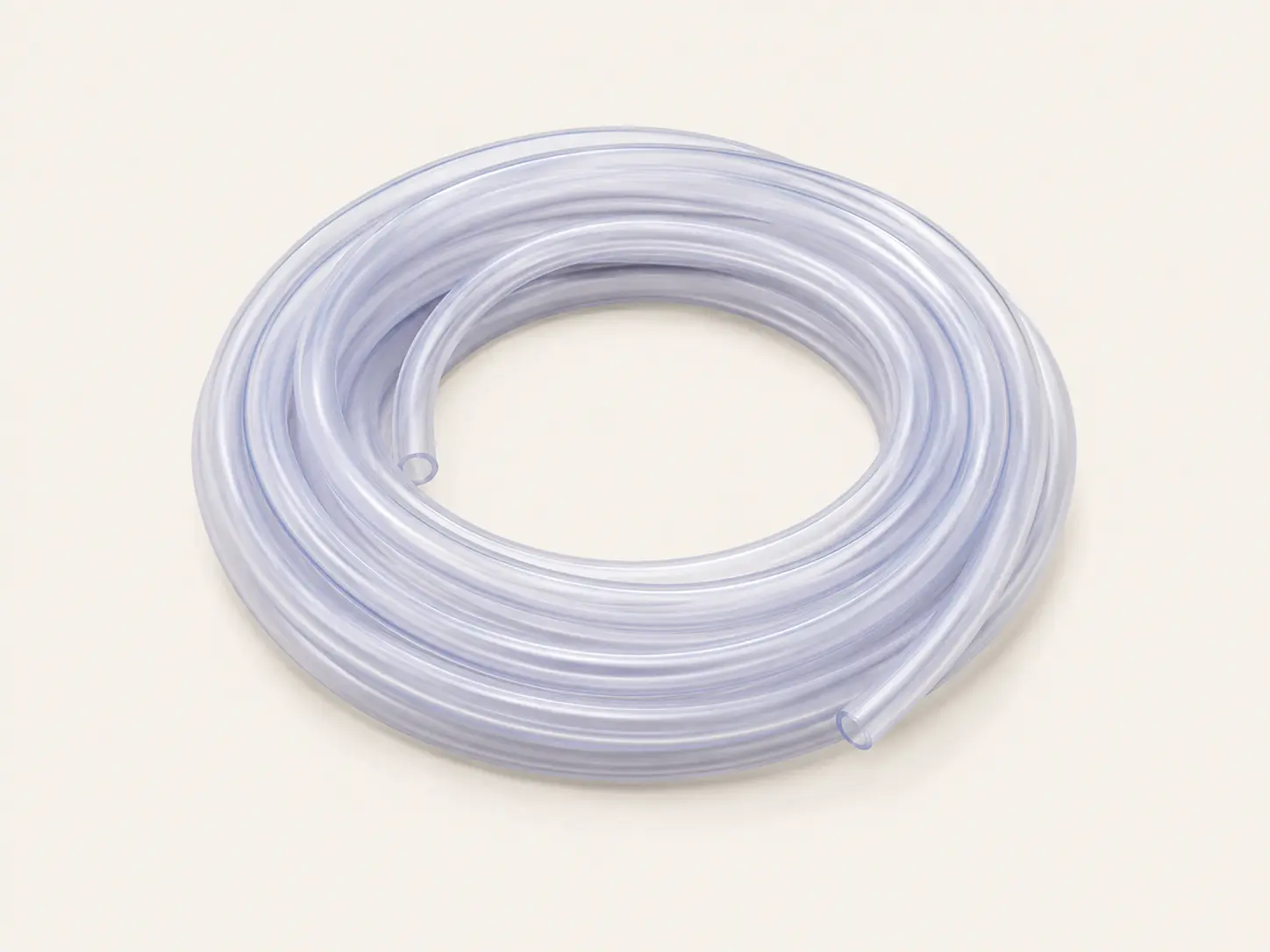
North States MyPet Safety Paws Ruff & Tuff Cord Protector
This is the strongest match when your dog targets phone chargers, lamp cords, laptop cables, or TV wiring. North States lists a 10-foot (about 3 m) non-toxic PVC sleeve that can be cut to length and wrapped around most household cables up to 14-gauge. That makes it more adaptable than a fixed raceway when several short cable sections need protection.
Setup tip: unplug or hide unused cords first, then sleeve the remaining cable and block access with furniture or a gate. Inspect frequently and stop using it if your dog can defeat it.
Manufacturer details · Retailer feedback
Check Current Price on Amazon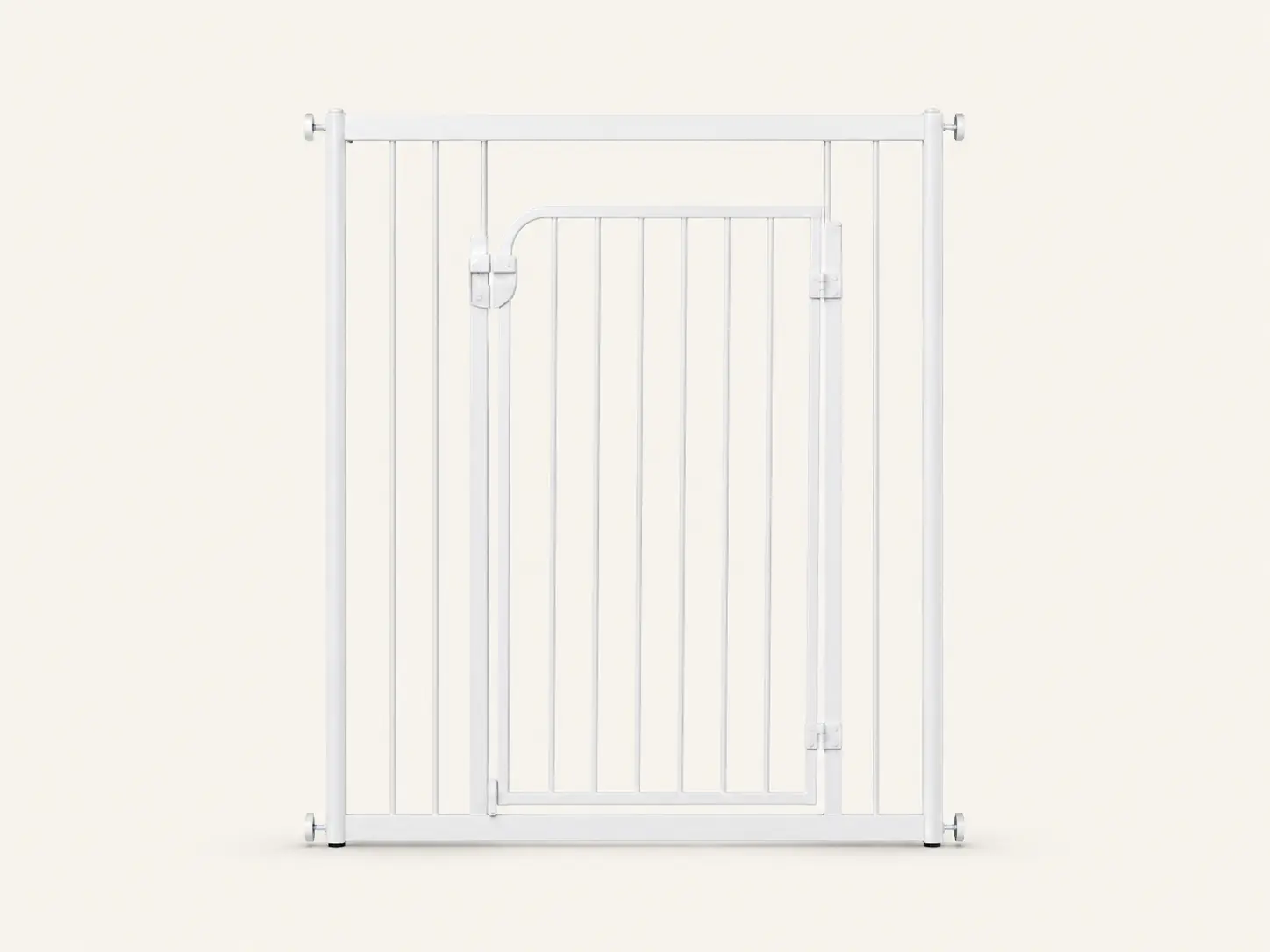
Regalo Easy Step Safety Gate, Model 1160
Choose this gate when the simplest fix is keeping a calm dog away from an office, kitchen, carpeted room, blinds, or furniture. The all-metal gate stands 30 inches (76.2 cm) high and fits openings from 29 to 38.5 inches (73.7 to 97.8 cm), with a 16-inch (40.6 cm) walk-through door. Pressure mounting is convenient for many homes, but the manufacturer says the supplied wall cups must be installed.
Setup tip: measure at floor and latch height before ordering, install every required part, and test short supervised separations.
Manufacturer dimensions · Retailer feedback
Check Availability on Amazon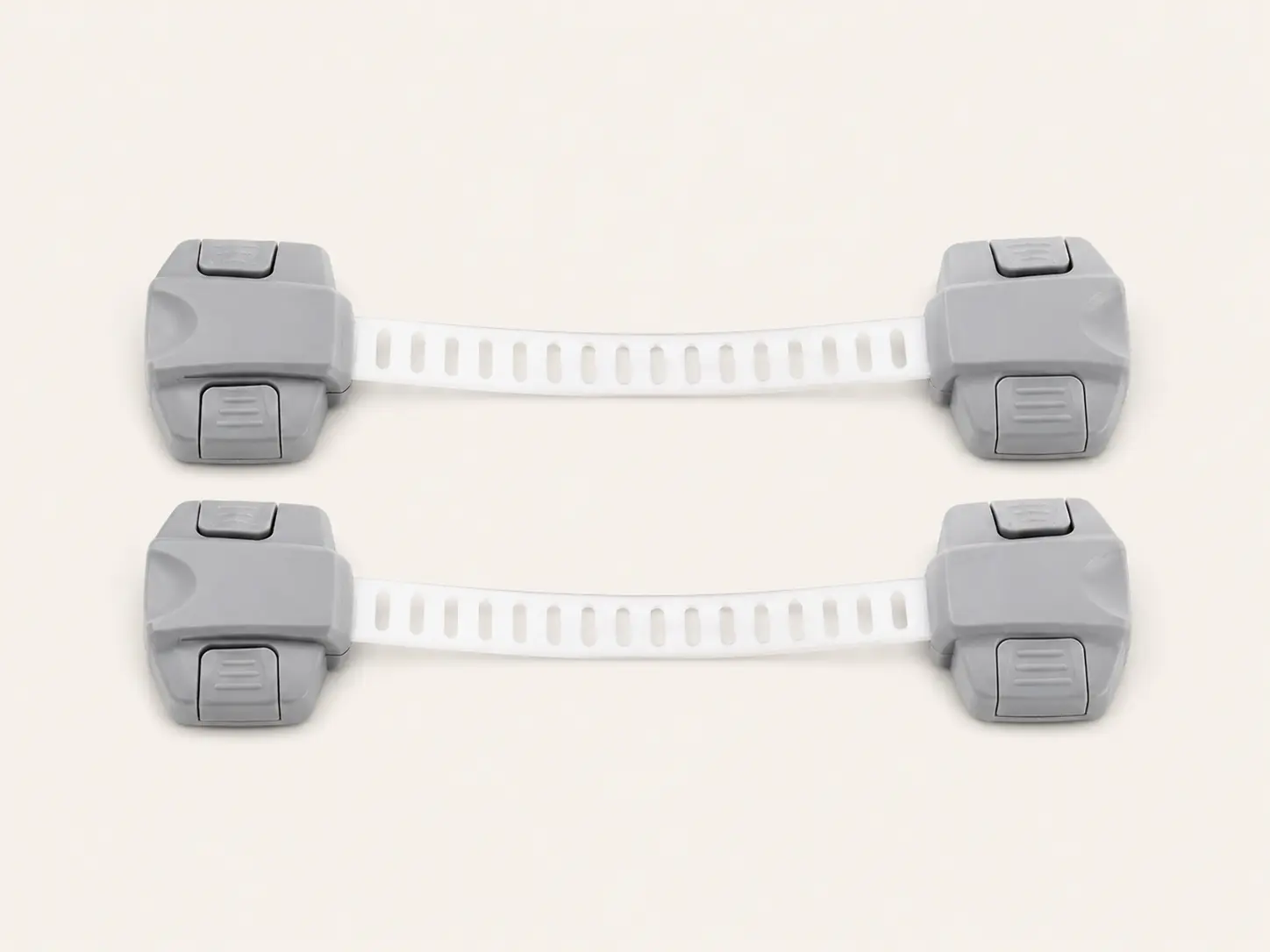
North States MyPet Mischief Minder Strap Locks
These adjustable locks are a practical match for food-motivated dogs that lift trash lids or nose open cabinets. The two-pack uses VHB adhesive, a cut-to-length strap, and a double-button release. It installs without drilling and can work on trash cans, toilets, cabinets, or similar flat surfaces, making it useful for renters and awkward container shapes.
Setup tip: clean and dry the surface, position the lock before trimming, allow the adhesive to bond, then pull-test it while your dog is supervised. For hazardous trash, a closed pantry or latched cabinet is safer than one adhesive strap.
Manufacturer details · Retailer feedback
View Latest Price on Amazon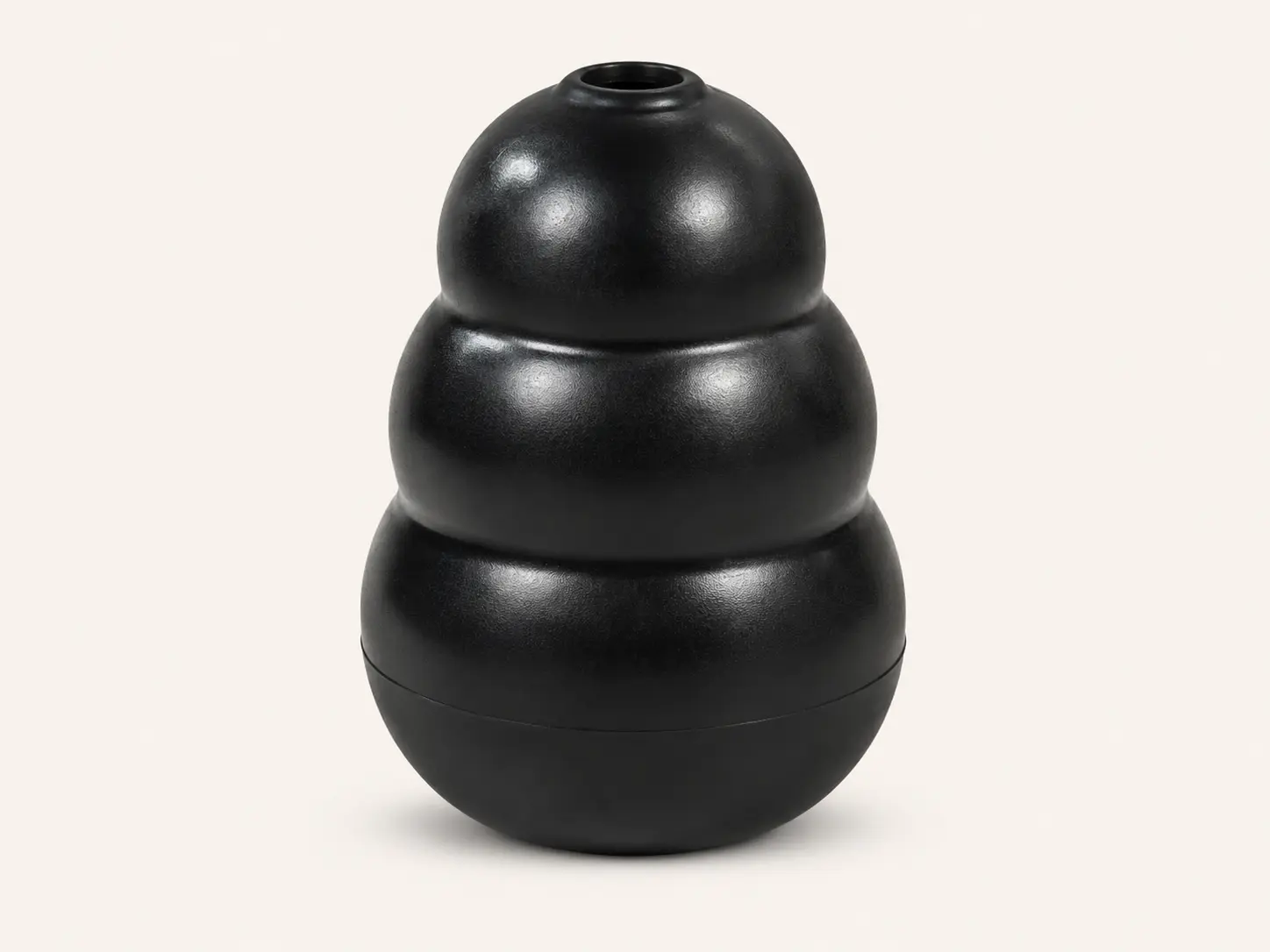
KONG Extreme Dog Toy
KONG Extreme is relevant when the dog’s damage looks like normal chewing or boredom and the dog reliably engages with food toys. It uses the brand’s most durable natural-rubber formula, has an unpredictable bounce, and can be filled with part of the dog’s normal meal. Freezing an easy filling can extend engagement after your dog understands how the toy works.
Setup tip: select the correct size, consider sizing up for a power chewer, introduce it while supervised, and inspect it after every session. Remove it immediately if damaged.
Sizes and safety warning · KONG durability guidance
Check Current Price on Amazon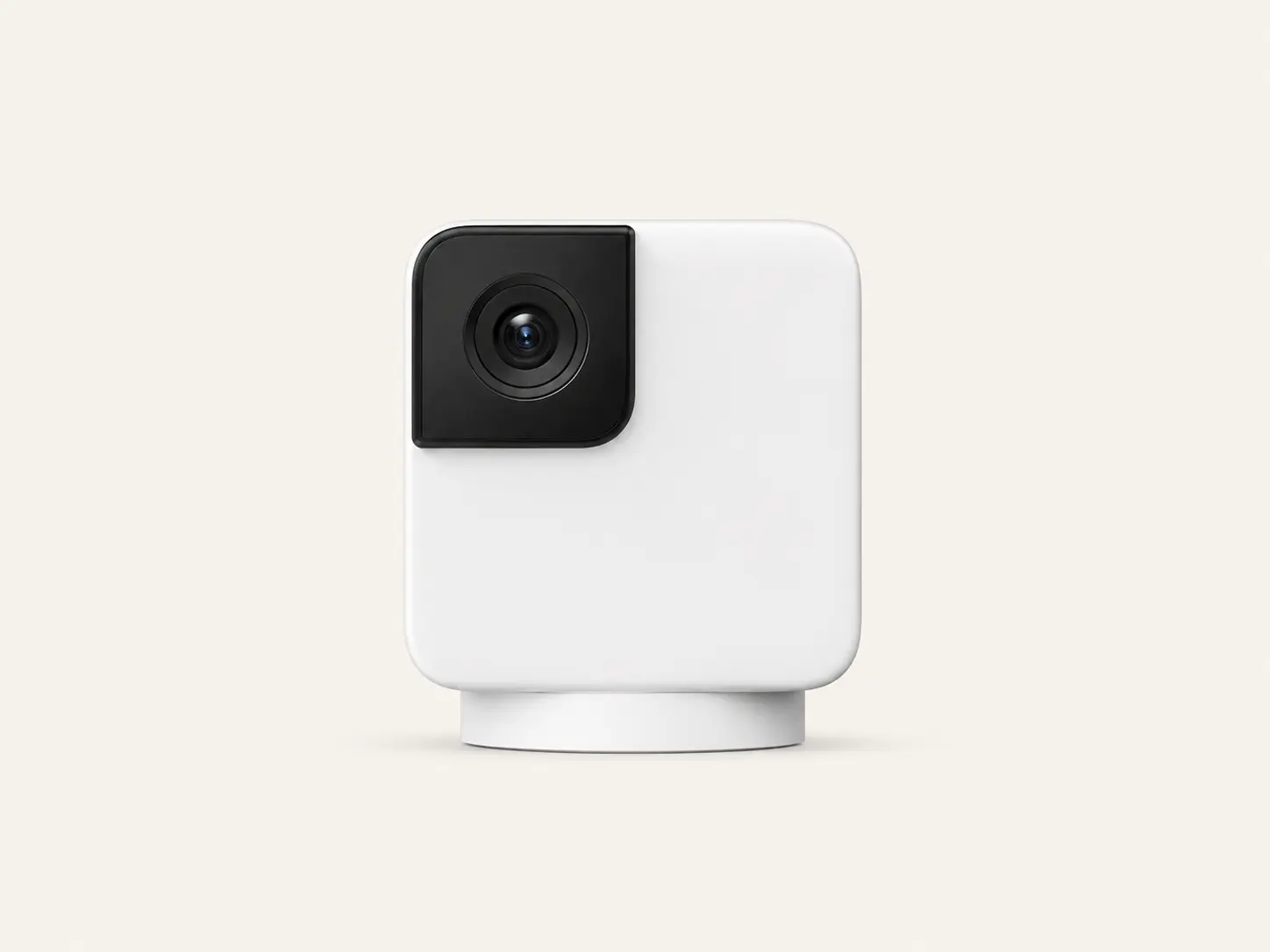
Petcube Cam 360
This is the most useful first purchase when you do not know whether damage begins with trash seeking, window patrol, noise, pacing, door focus, or panic. The camera provides 1080p live video, a 105-degree lens, 350-degree horizontal and 55-degree vertical rotation, night vision, and two-way audio. It requires power, internet, and 2.4 GHz Wi-Fi.
Setup tip: place it where the exit and main damage zone are visible, record several short departures, and note what happens before destruction. Secure the cable so the monitoring tool does not create another chewing hazard.
Verify camera features and subscription limits
Check Availability on AmazonBefore you buy: five questions that prevent the wrong purchase
- What is the first trigger? A reachable object, outside movement, noise, confinement, or your departure?
- Is the target dangerous? Remove or relocate electrical cords, medications, bones, wrappers, and toxic food before adding a cover or lock.
- Can your dog defeat the product? Consider jumping height, jaw strength, climbing, tipping, and chewing behavior.
- Does the setup fit? Measure openings, check surfaces for adhesive compatibility, confirm Wi-Fi requirements, and choose the correct toy size.
- Is the product treating the cause or only managing access? Exit-focused destruction, panic, and self-injury need professional assessment, not a stronger barrier.
Set up the safer area before the first real absence
Remove hazards first, then install only the products that match the observed trigger. Test gates, locks, cable covers, and toys while you are present. Use the camera during very short departures and review the first few minutes, when distress often becomes visible. Do not introduce several unfamiliar products and leave for hours immediately; a gradual trial makes it easier to identify which item helps, fails, or increases frustration.
When another purchase is unlikely to solve the problem
Destruction that occurs mainly around doors, windows, gates, or crates can be associated with separation-related distress or barrier anxiety. The ASPCA and VCA Animal Hospitals describe destruction, escape attempts, vocalization, pacing, salivation, and refusal to eat as signs that warrant closer assessment. Contact a veterinarian or qualified behavior professional promptly if you see broken teeth, bleeding gums, damaged nails, frantic escape attempts, swallowed fabric or plastic, sudden behavior change, or severe distress on video.
Frequently asked questions
Why does my dog become more destructive behind a gate?
The gate may be adding barrier frustration or confinement distress. Stop using it unsupervised if your dog bites, climbs, throws its body at the gate, or cannot settle. Use video to document the reaction and discuss severe cases with a veterinarian or behavior professional.
Should I buy a camera before dog-proofing the room?
Only when the trigger is unclear. Remove obvious hazards immediately, then use a camera to learn whether the dog targets one object, reacts to windows or noise, or shows broader distress after you leave.
Can a stuffed KONG stop separation anxiety?
No. It can provide an appropriate activity for a dog that is calm enough to eat, but dogs in significant distress may ignore food. Treat refusal to eat alongside pacing, vocalization, or exit damage as useful diagnostic information.
What if my dog chews through a cord cover or trash lock?
Stop relying on that layer. Unplug and relocate cords, put trash behind a closed or securely latched door, and prevent access to the failed product itself. A deterrent that the dog can ingest or pull apart can become another hazard.
How can I tell boredom chewing from separation-related distress?
Video is the clearest starting point. Boredom chewing may be exploratory and spread across available items, while distress often includes pacing, vocalization, drooling, escape-focused damage, or behavior that begins soon after departure. A veterinarian should assess concerning patterns.
Final recommendation
Match the purchase to the first unsafe behavior: use a cord protector for reachable cables, a gate for a dog that calmly accepts room boundaries, strap locks for smooth-surface trash or cabinets, and KONG Extreme for supervised chew enrichment. Choose Petcube Cam 360 first when the trigger is unknown. For door, window, crate, or barrier destruction, prioritize video evidence and professional guidance rather than repeatedly buying stronger containment products.
Product specifications, policies, and availability were checked in July 2026 and may change by retailer or country.
 ✓
✓