


Start with a pet camera when you do not know why your dog barks after you leave. It suits apartment owners who need to identify the timing and trigger, but it monitors rather than fixes the behavior. Choose a sound machine instead when footage shows reactions to hallway or neighbor noise, frosted window film when barking follows outdoor movement, and a door draft stopper only as secondary support for cues entering beneath the door. Persistent howling, pacing, destruction, escape attempts, or sudden behavior changes need veterinary or qualified behavior support, not another bark-control gadget.
Quick Product Matches
How We Researched
We checked official product pages, support information, regional retailer listings, independent demonstrations, recurring customer-feedback themes, and apartment-dog concerns discussed on Reddit. Safety guidance was cross-checked against the ASPCA and the American Veterinary Society of Animal Behavior. Product features and availability were checked in July 2026; models and regional listings can change. We did not personally test every product in this guide.
Which Option Fits the Barking Trigger?
| Product | Suitable for | Key advantage | Setup or subscription | Main limitation |
|---|---|---|---|---|
| Furbo 360° Dog Camera | Unknown or mixed triggers | Rotating live view, audio, and bark alerts | Wi-Fi and app required; advanced features may require Furbo Nanny | Observes barking but does not treat its cause |
| LectroFan EVO | Hallway, elevator, and shared-wall sounds | 22 non-looping sound options with precise volume control | Corded; an outlet adapter may be needed outside North America | Can mask sounds, not separation distress |
| rabbitgoo Static Cling Frosted Film | People, dogs, cars, and deliveries visible through glass | Removable visual barrier that still admits light | Measure, cut, wet-apply, smooth, and trim | Does nothing for sound-only barking |
| MAXTID Large Door Draft Stopper | Light, odor, and some sound entering below an interior door | Tool-free, cut-to-fit secondary barrier | Fits selected door widths and larger bottom gaps | Not true soundproofing; unsuitable for some thresholds |
Product Recommendations by Trigger
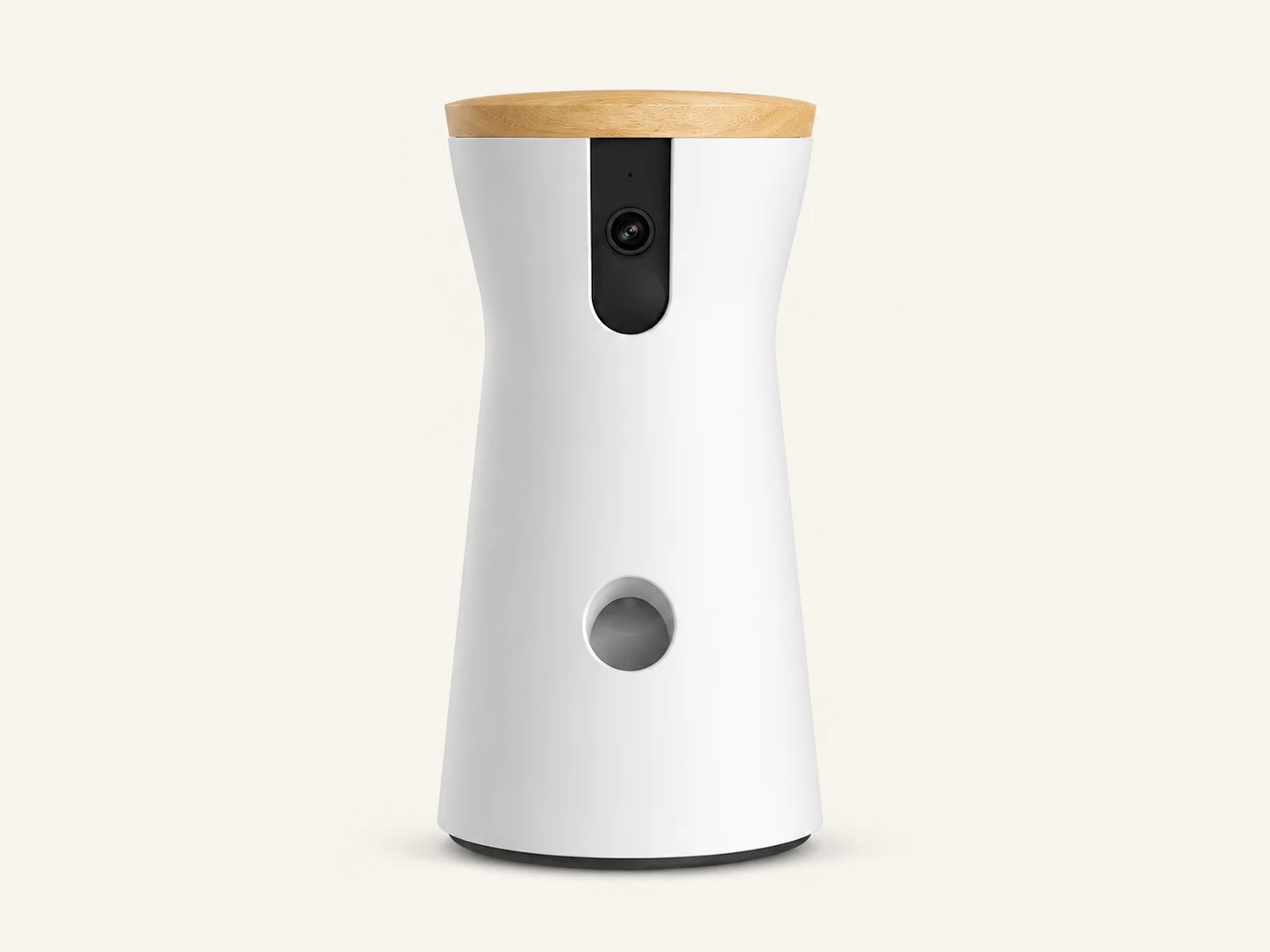
Furbo 360° Dog Camera
The Furbo is the most practical first purchase when complaints arrive but you cannot tell whether your dog reacts to the hallway, window, front door, or your departure. Its rotating view, live audio, two-way communication, treat tossing, and basic barking alerts help document what happens while you are away. Furbo says live view, treat tossing, and barking alerts remain available on the standalone model without Furbo Nanny; advanced alerts and video-history features depend on the selected plan.
- Advantage: One device can reveal timing, location, and repeated triggers.
- Limitation: Notifications can misread background sounds, and talking through the camera unsettles some dogs.
- Avoid it if: You only need basic monitoring and do not value pet-specific alerts or treat tossing.
- Setup tip: Frame the entry door, main window, and resting area; review the first 30 minutes after departure before changing anything.
Review official Furbo features
Check Current Price on Amazon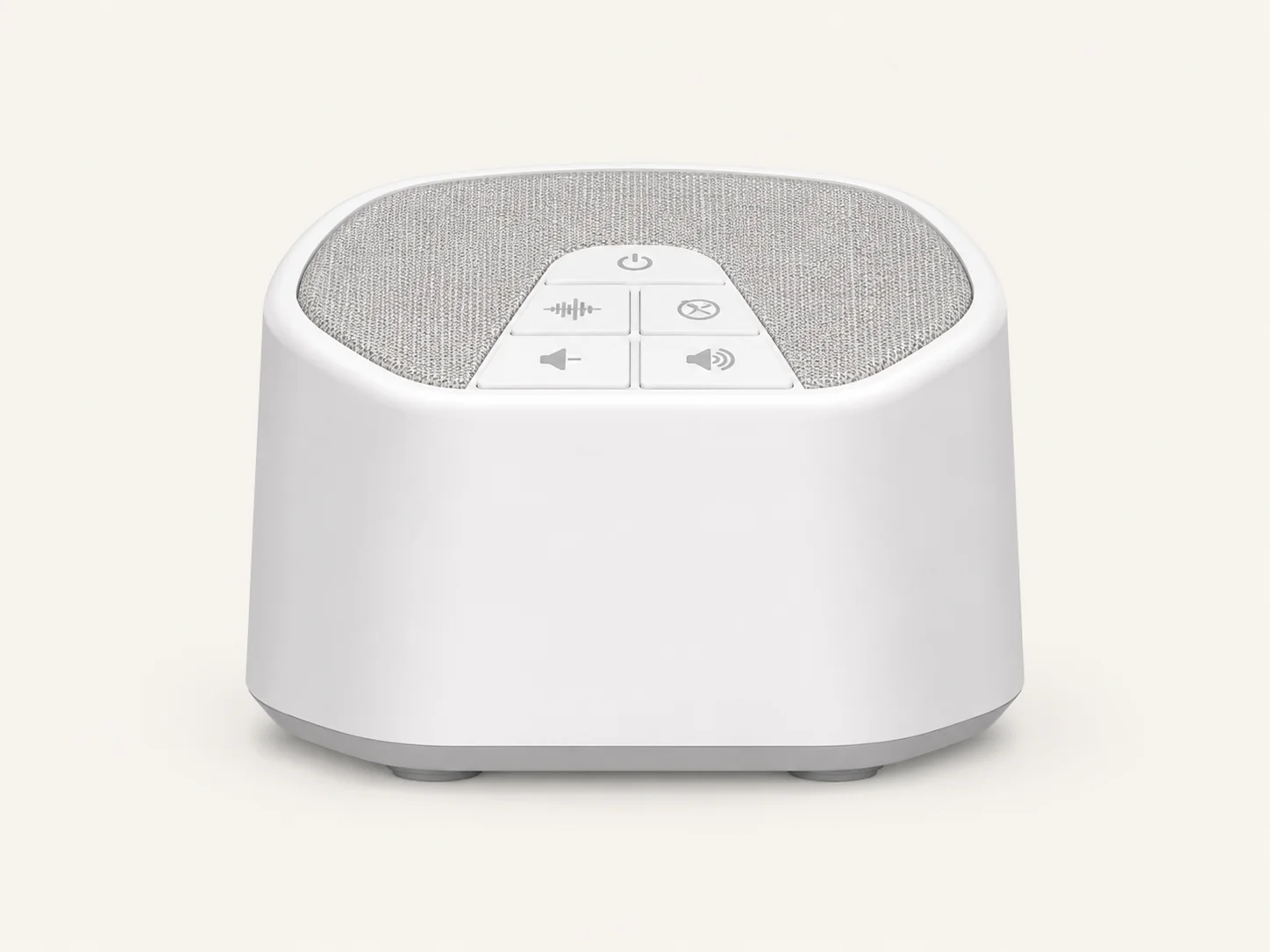
LectroFan EVO Sound Machine
The LectroFan EVO fits dogs that stay calm until footsteps, elevator sounds, doors, voices, or shared-wall noise interrupt the room. The manufacturer lists 22 non-looping options across fan, white-noise, and ocean sounds, giving more control than a single-tone machine. Its included power supply can accept international voltage, although buyers outside North America may need the correct plug adapter. That makes it more practical across the US, UK, Canada, and Australia than a machine restricted to one electrical market.
- Advantage: Multiple sound profiles make it easier to find a steady masking sound without an audible loop.
- Limitation: High volume can disturb the dog or neighbors; masking is not soundproofing.
- Avoid it if: The camera shows immediate howling, pacing, or door destruction after you leave.
- Setup tip: Place it between the dog and the noise source, then start at a moderate level while you are home.
Review official LectroFan EVO features
View Latest Price on Amazon
rabbitgoo Static Cling Frosted Window Film
This removable film is a better match than a sound product when your dog patrols a street-facing window and barks after seeing pedestrians, dogs, cars, or delivery activity. rabbitgoo describes the film as reusable, tool-free, cuttable, and designed to provide privacy while allowing light through. For barking management, you usually need to cover only the portion visible from the dog’s standing or furniture-height viewpoint, which preserves more of the room’s view and daylight.
- Advantage: Directly removes the visual cue without adding electronics or a subscription.
- Limitation: Poor measuring or insufficient water during installation can leave gaps, lifting edges, or bubbles.
- Avoid it if: Barking begins at hallway sounds or your dog scratches and chews window coverings.
- Setup tip: Clean the glass, measure twice, leave trimming margin, and test a lower section before covering the whole window.
Review official rabbitgoo installation details
Check Availability on Amazon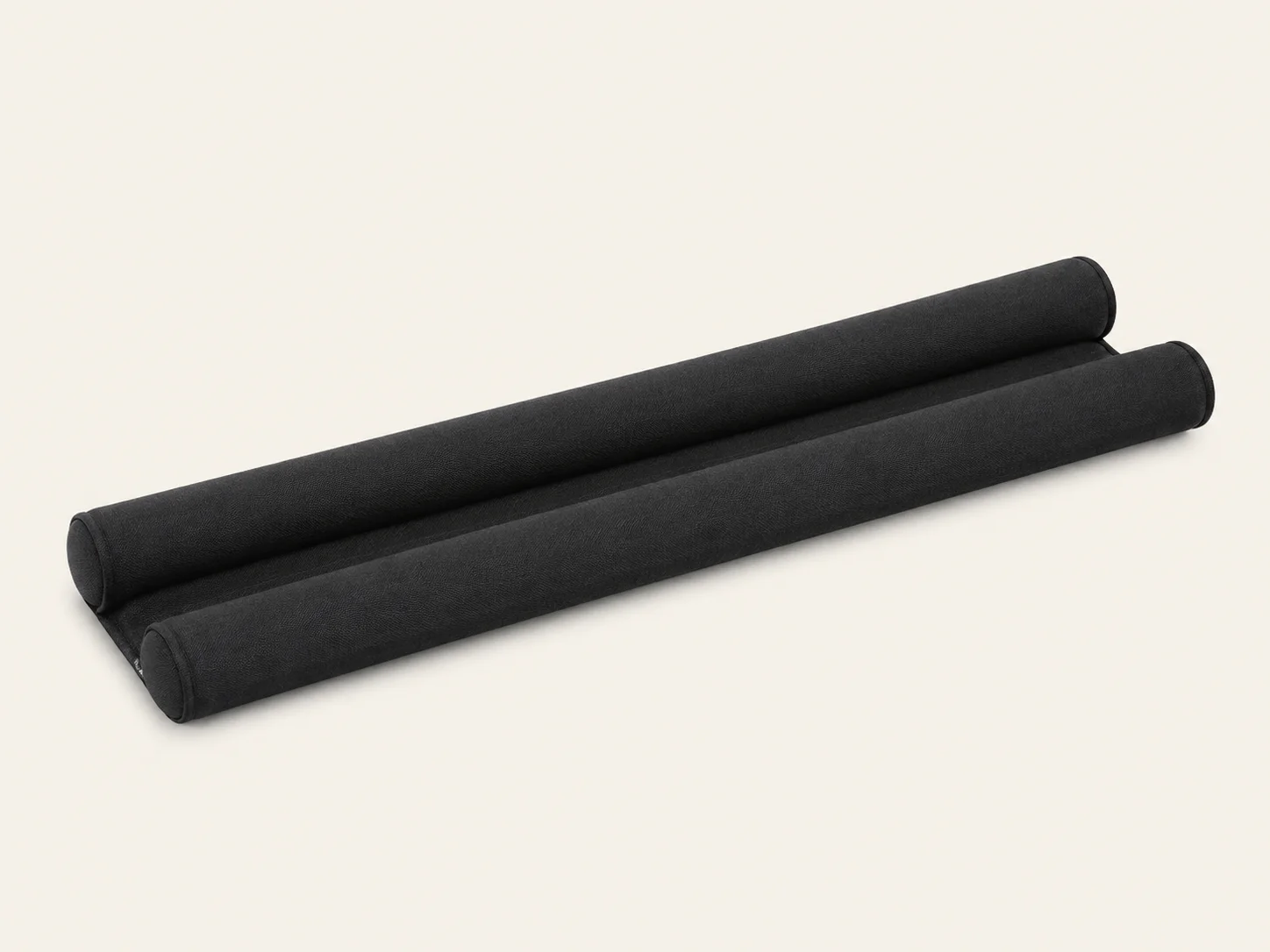
MAXTID Large Door Draft Stopper
The MAXTID is worth considering only when camera footage shows your dog orienting to light, odor, air movement, or muffled activity entering beneath an interior door. The official listing describes a 36-inch (91 cm) unit that can be cut for narrower 30-, 32-, or 34-inch doors and uses 2-inch (5 cm) foam to cover gaps of roughly 0.5 to 1.7 inches (1.3 to 4.3 cm). It moves with the door and needs no drilling, which suits many rentals.
- Advantage: Simple tool-free support for a measurable door-gap problem.
- Limitation: It reduces only part of the cue and is not a substitute for acoustic sealing.
- Avoid it if: The door has an incompatible exterior threshold or your dog chews foam and fabric when alone.
- Setup tip: Measure door width, gap height, swing clearance, and threshold before opening the package.
Review official MAXTID fit details
Check Current Price on AmazonBefore You Buy
- What happens immediately before barking? Check the door, window, hallway audio, and your departure sequence.
- Is monitoring enough? A camera is useful for diagnosis, but advanced history or alerts may add a subscription.
- Will the product fit the space? Measure the glass area, door width, door gap, threshold, outlet position, and Wi-Fi coverage.
- Can your dog reach it? Cords, foam, fabric, and film edges are poor choices for a dog that chews when alone.
- Is the trigger actually distress? Continuous vocalizing, pacing, elimination, destruction, or escape behavior changes the decision from shopping to professional help.
Set Up the Solution Without Guessing
- Record one or two normal departures before adding a product.
- Change only one major variable at a time, such as window access or background sound.
- Supervise the first setup session and check for fear, chewing, overheating, blocked door movement, or excessive volume.
- Compare bark timing and duration rather than expecting complete silence after one attempt.
- Keep a return window available until fit, app reliability, and your dog’s response are confirmed.
When Another Product Is Unlikely to Help
The ASPCA lists persistent barking or howling, pacing, destruction, escape attempts, and house soiling among possible signs of separation anxiety. Sudden changes, self-injury, or new nighttime distress in an older dog also justify a veterinary check. Avoid starting with shock, citronella, or other punishment-based bark devices: the American Veterinary Society of Animal Behavior recommends reward-based methods and advises against aversive methods for behavior modification.
Frequently Asked Questions
Should I buy a pet camera before a bark-control product?
Yes, when the trigger is unknown. A short recording can separate window barking, hallway reactivity, boredom, and departure-related distress, preventing an unsuitable purchase.
Can white noise stop hallway barking completely?
No. It may make sudden sounds less noticeable, but it cannot remove every cue or treat anxiety. Use the lowest useful volume and compare recordings before and after setup.
How high should frosted film go on the window?
Cover the area your dog can see while standing on the floor or usual furniture. Begin with the lower section, test the result, and add height only when the trigger remains visible.
Will a door draft stopper soundproof an apartment door?
No. It may reduce light, odor, airflow, and a limited amount of sound through the bottom gap. Noise transmitted through the door, frame, walls, and floor will remain.
Why does two-way camera audio make my dog bark more?
Your voice without your physical presence can confuse or excite some dogs. Turn off talk mode and use the camera only for observation when vocal contact increases pacing, searching, or barking.
Final Recommendation
Buy for the verified trigger, not the complaint alone. Start with the Furbo 360° Dog Camera when you need evidence. Move to the LectroFan EVO for repeat sound triggers, rabbitgoo frosted film for window triggers, or the MAXTID stopper as a small add-on for a confirmed door gap. Skip corrective bark gadgets and seek veterinary or qualified behavior support when recordings show persistent distress or unsafe behavior.
Research sources
 ✓
✓