

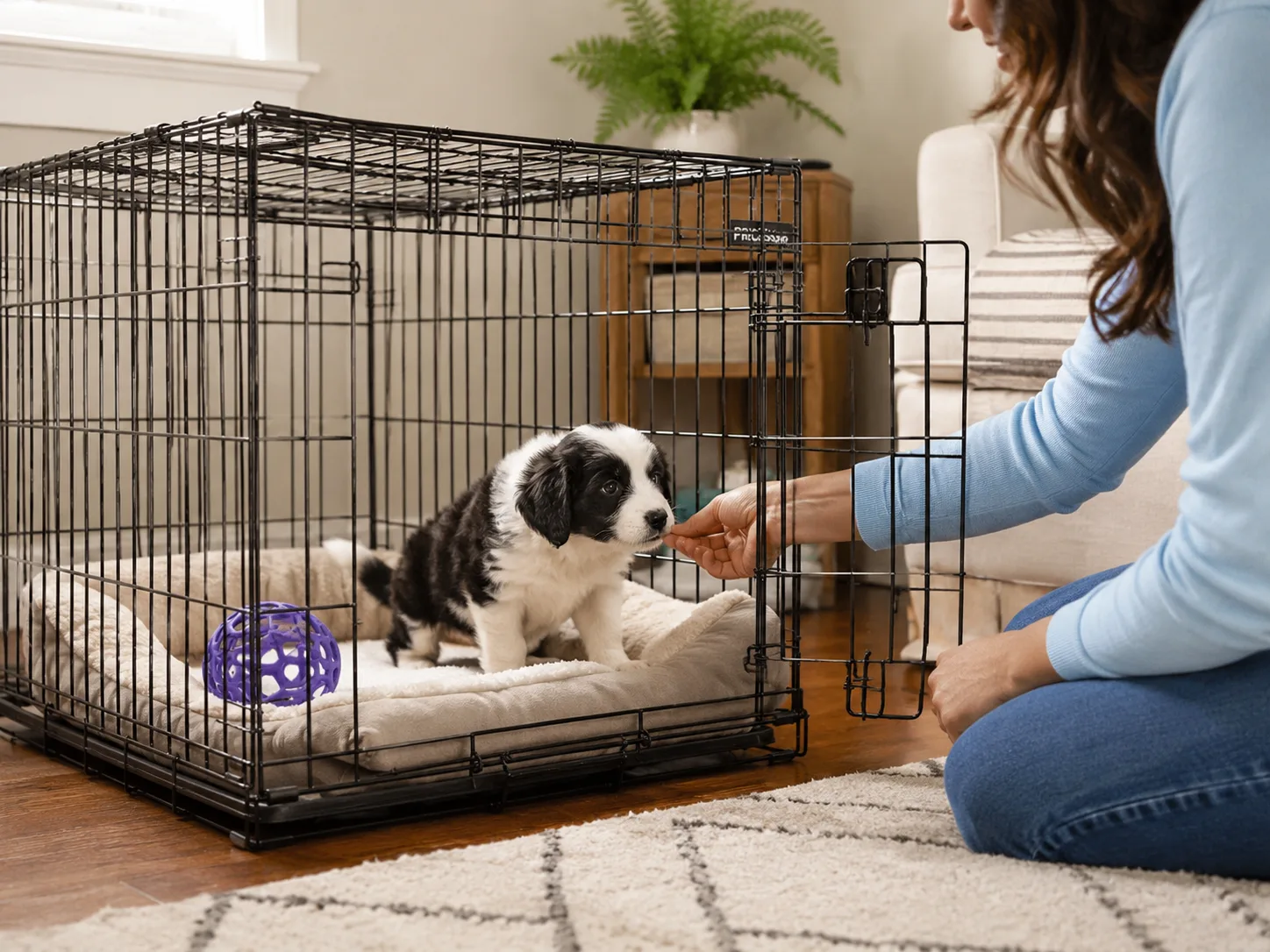
Which crate alternative should you try first?
If your dog panics in a crate but settles when given more open space, start with a dog-proofed room behind a secure pet gate and monitor the first departures by camera. This suits dogs whose main trigger is tight confinement, not being alone itself. Its limitation is safety: jumpers, chewers, door-scratchers, and escape-focused dogs may become injured or destroy the space. Choose an exercise pen only for a calm dog that respects barriers. Start with a camera instead when you do not yet know whether your dog is sleeping, pacing, barking, eliminating, or attempting escape.
ASPCA guidance specifically notes that crates add stress for some dogs and suggests a room behind a baby gate as an alternative when appropriate.
Quick product matches
How we researched
We checked official dimensions, installation details, camera storage, alert features, and subscription rules in July 2026. We also reviewed recurring customer complaints about measuring gaps, indoor pen movement, climbing, alert sensitivity, and remote-audio reactions; Reddit discussions were used only to identify common buyer questions. Veterinary and animal-behavior sources guided the safety advice. We did not personally test every product in this guide.
Quick comparison: which option fits the trigger?
| Product | Suitable for | Key advantage | Setup or subscription | Main limitation |
|---|---|---|---|---|
| Carlson Extra Wide Walk-Thru Pet Gate | Dogs calmer in an open room than a crate | All-metal, pressure-mounted barrier with walk-through door | Measure the opening; no subscription | Unsafe for jumpers, climbers, or barrier panic |
| MidWest Exercise Pen with Door | Calm dogs needing more floor space | Multiple heights and flexible shapes | Tool-free unfolding; stabilize indoors | Can shift, tip, or become climbable |
| Tapo C210 Pan/Tilt Camera | Monitoring rooms, gates, and pacing paths | 2K video and local microSD storage | 2.4 GHz Wi-Fi; cloud plan optional | Observes behavior but does not change it |
| Furbo 360 Dog Camera | Calm dogs that eat treats while alone | Bark alerts, 360-degree view, and treat tossing | Standalone and subscription-based purchase options differ | Voice or treat sounds may increase arousal |
Four crate-alternative products worth matching to the problem
Carlson Extra Wide Walk-Thru Pet Gate
This gate is most relevant when your dog relaxes in a familiar room but becomes distressed in a closed crate. Carlson lists an all-metal pressure-mounted frame, a 30-inch (76.2 cm) height, and a fit range of 29.5–36.5 inches (74.9–92.7 cm). The walk-through door makes daily use easier, while the open bars preserve sightlines.
Main advantage: It creates a less enclosed boundary without giving full-house access.
Main limitation: The standard setup does not fit openings from 32–34 inches (81.3–86.4 cm), and no pressure gate is appropriate for a dog that jumps, climbs, pushes, chews, or panics at barriers.
Avoid it if: your dog can fit through the small-pet door, targets the gate during departures, or has made frantic escape attempts. Measure at more than one point, lock the small door, and conduct short supervised trials before a real absence. See the official Carlson specifications.
Check Availability on Amazon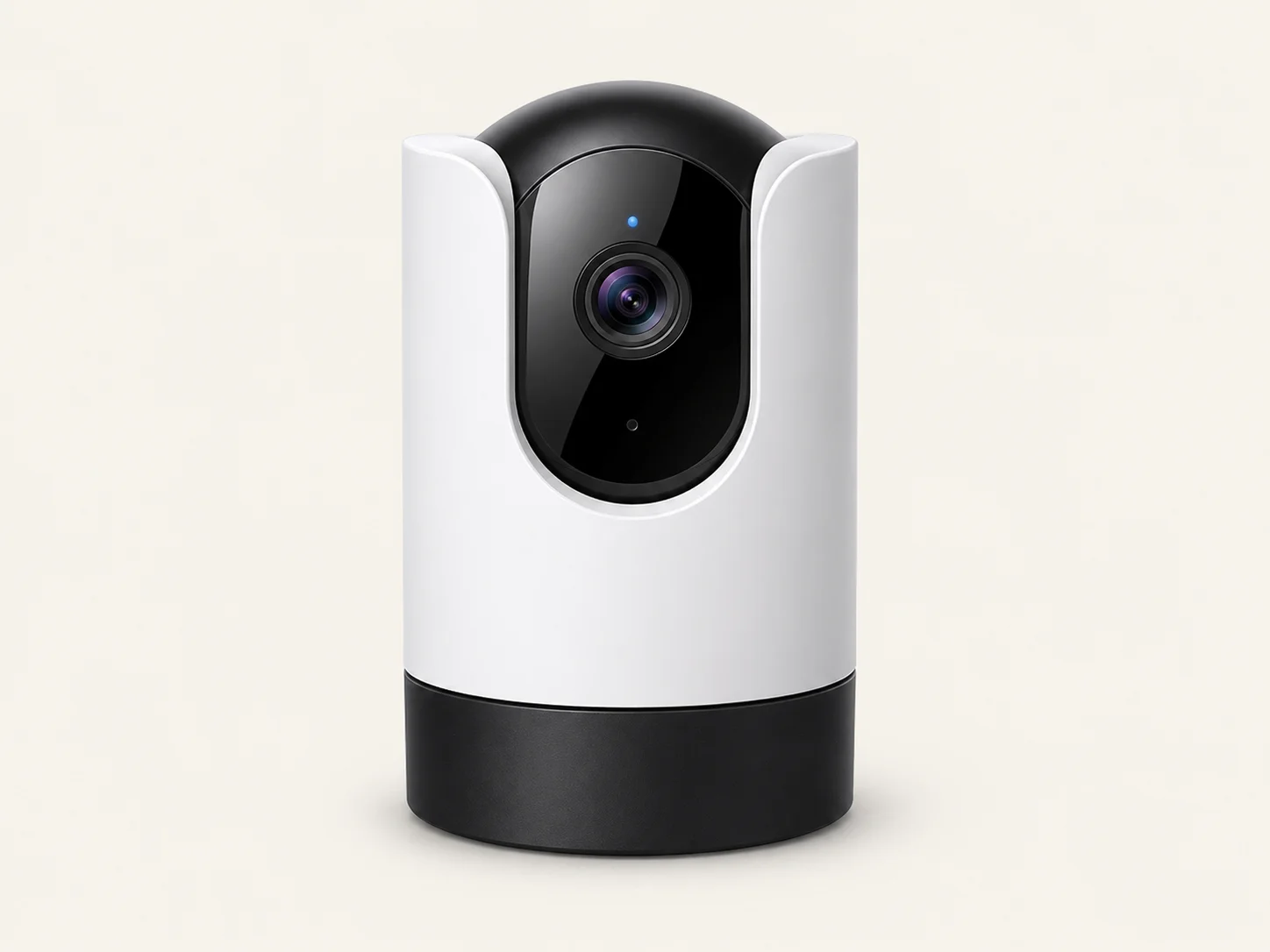
MidWest Exercise Pen with Door
The MidWest pen is a practical middle ground when a dog should not roam freely but can remain relaxed inside a larger boundary. The manufacturer offers door and no-door versions in heights from 18 to 48 inches (45.7–121.9 cm), so the setup can be matched more closely to the dog and room than a fixed crate.
Main advantage: It unfolds quickly, changes shape, and provides noticeably more usable space than a crate.
Main limitation: Recurring reviews describe indoor movement, flexible panels, and escapes by dogs that jump or climb.
Avoid it if: your dog braces against barriers, climbs wire panels, launches from bedding or furniture, or becomes frantic when you leave. Place it on a non-slip surface, keep climbable items away from the perimeter, and watch several short camera-monitored trials. The official MidWest page lists current sizes and styles.
Check Current Price on Amazon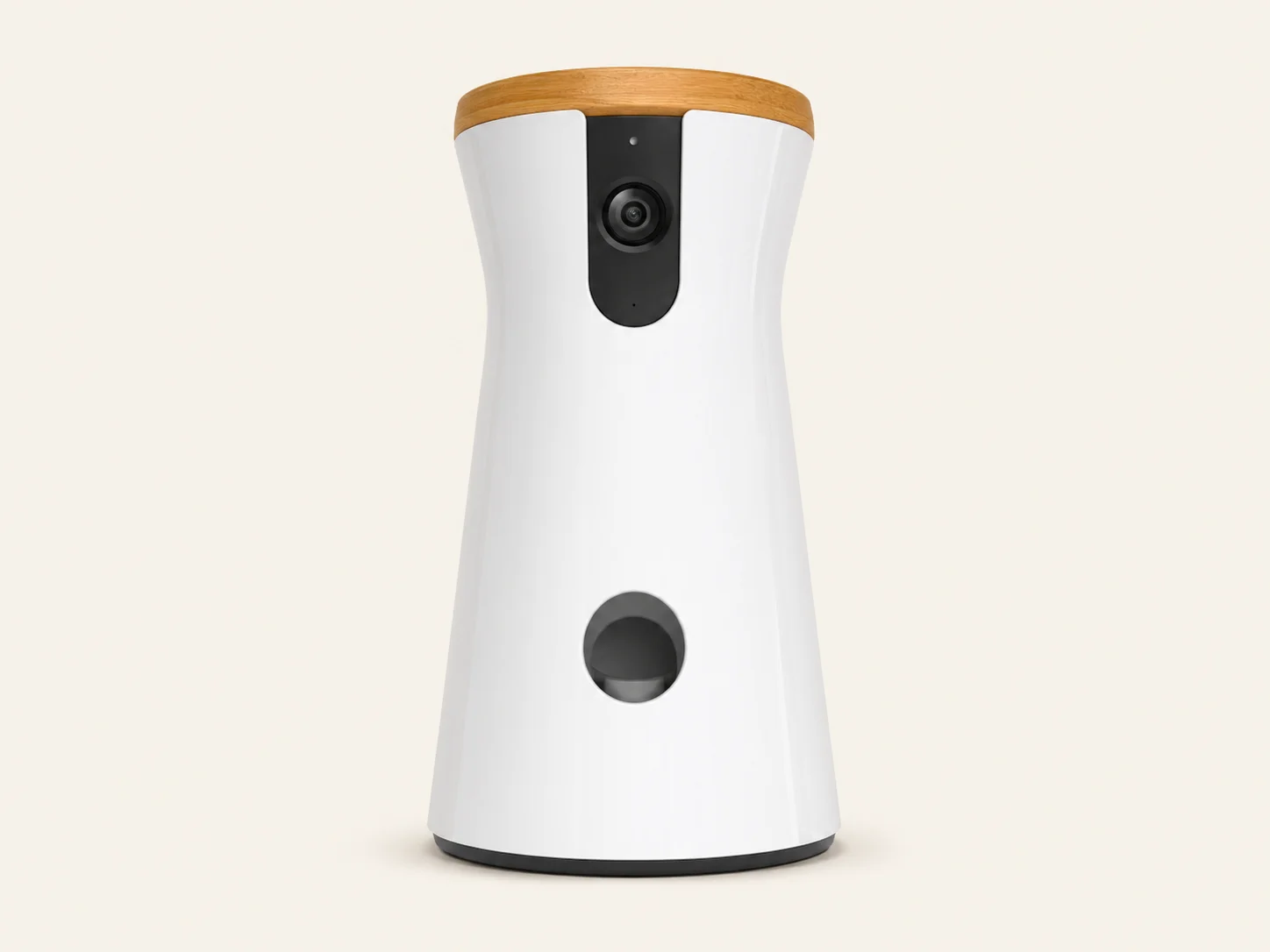
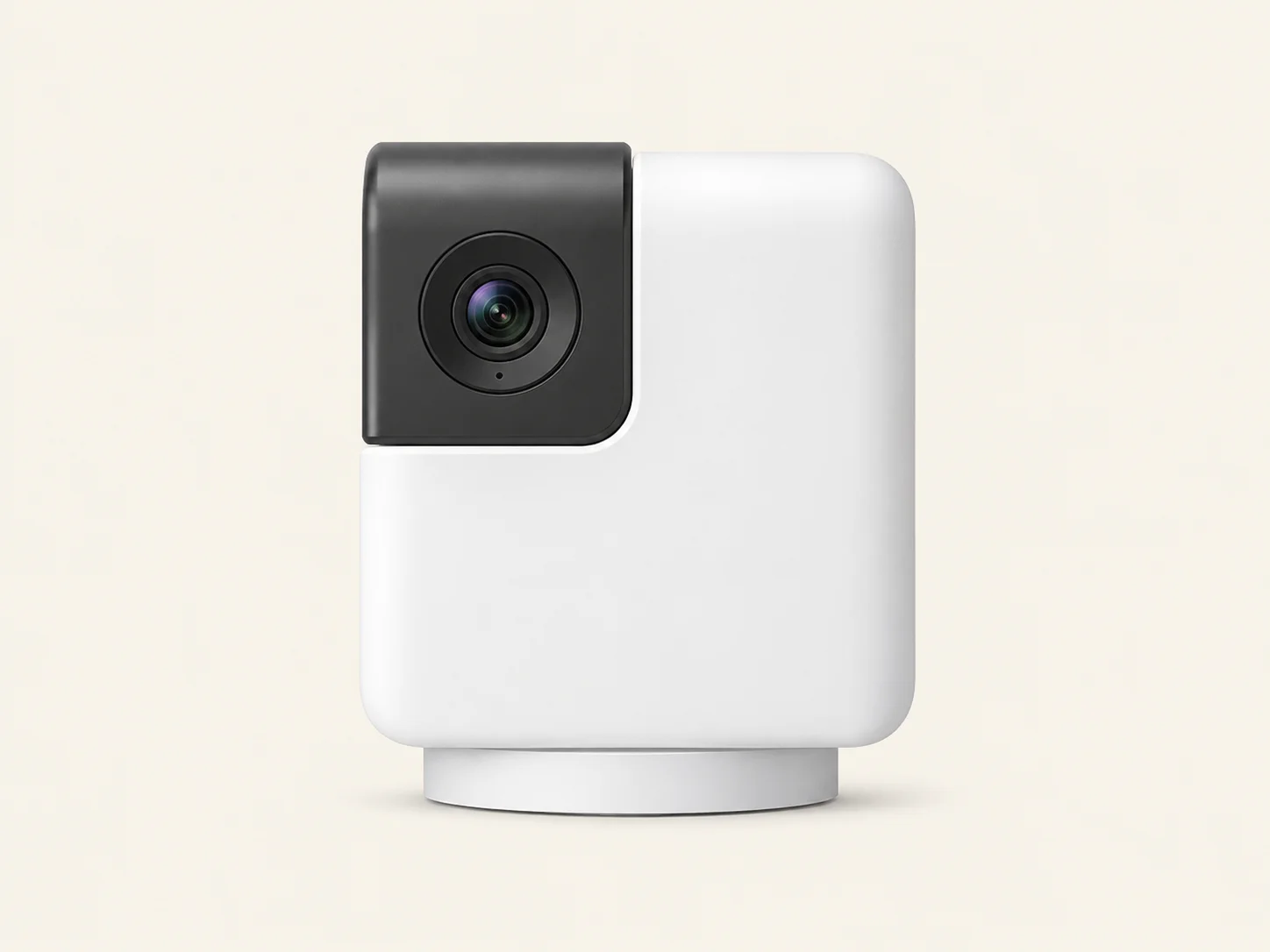
TP-Link Tapo C210 Pan/Tilt Camera
Choose the Tapo C210 before changing confinement when you cannot describe what happens during the first 30–60 minutes alone. AVSAB recommends video because it helps separate crate or confinement distress from other home-alone problems. Tapo lists 2K 2304 × 1296 video, pan/tilt control, motion alerts, two-way audio, night vision, and local microSD storage up to 512 GB.
Main advantage: Core live view, motion alerts, two-way audio, and local recording do not require a subscription; cloud history is optional.
Main limitation: It requires power and 2.4 GHz Wi-Fi, and a camera can document distress without reducing it.
Avoid relying on it alone if: footage shows nonstop pacing, heavy panting, drooling, destruction, elimination, or escape attempts. Start with the microphone off because some dogs search or bark harder after hearing a remote voice. Review the official Tapo C210 specifications and secure the account with two-factor authentication where available.
View Latest Price on Amazon
Furbo 360 Dog Camera
Furbo is the more specialized option for owners who want room coverage, bark notifications, two-way talk, and remote treat delivery in one device. The 360 model provides a rotating 1080p view, while Furbo states that live view, barking alerts, talking, and treat tossing remain free on its standalone model. Advanced Furbo Nanny features and some purchase plans involve an ongoing subscription.
Main advantage: It combines observation with a reward feature for dogs that already stay under threshold and accept food.
Main limitation: Treat tossing and remote speech can startle, excite, or frustrate some dogs; alerts may also react to background noise.
Avoid it if: your dog refuses food when alone, guards treats, searches frantically after hearing your voice, or escalates when the dispenser activates. Test the sound and treat size while home, then use it only during calm behavior. Check the current Furbo product options and subscription-free feature guidance before ordering.
Check Availability on AmazonBefore you buy: five questions that prevent the wrong setup
How to test a crate alternative safely
- Dog-proof the room or pen area: remove cords, blind loops, plants, rubbish, medicines, small objects, and anything the dog may swallow or pull down.
- Position the camera to show the exit, resting area, full barrier, and main pacing path not only the dog bed.
- Run several supervised trials while you remain nearby. Check for climbing, squeezing, pushing, chewing, snag points, and movement of the gate or pen.
- Begin with an absence shorter than the dog’s current calm limit. Review the full video rather than relying only on motion or bark alerts.
- Change one variable at a time. Otherwise, you will not know whether improvement came from more space, a different boundary, lower noise, or a shorter departure.
When another product is unlikely to be enough
Contact your veterinarian or a qualified reward-based behavior professional when your dog shows frantic escape attempts, broken nails or teeth, self-injury, heavy panting or drooling, repeated elimination, destruction around exits, refusal of food, or distress that begins within minutes. AVSAB recommends video to assess home-alone behavior, and VCA notes that management, behavior modification, and sometimes medication may be needed.
Do not use shock, spray, or other anti-bark correction devices to suppress anxiety-related vocalization. The current AVSAB humane-training position recommends reward-based methods and advises against aversive tools.
Frequently asked questions
How can I tell whether my dog hates the crate or has separation anxiety?
Record comparable short absences inside and safely outside the crate. A dog that settles outside confinement may have a confinement component; distress in both situations points toward a broader home-alone problem. A veterinarian or behavior professional should interpret severe cases.
Why does my dog become more frustrated behind a baby gate?
The gate may still function as a barrier trigger. Visual access does not help every dog, and some dogs intensify scratching, jumping, or vocalizing when they can see the route to the owner. Stop unsupervised use if the dog targets the gate or risks injury.
Is a taller exercise pen automatically safer?
No. Height matters, but panel stability, floor grip, nearby furniture, climbing style, and the dog’s emotional response matter too. A determined climber can be injured even in a tall pen, so supervised testing is essential.
Should I speak to my dog through the camera?
Only if a controlled test shows that your voice reduces activity and the dog settles again. Turn two-way audio off if the dog searches, barks harder, scratches the exit, or becomes more agitated after hearing you.
Does refusing treats mean the treat camera is useless?
For that absence, yes. A dog that will not eat may be too distressed for remote rewards to help. Use the camera for observation and discuss the footage with a professional rather than repeatedly tossing treats during panic.
Final recommendation
Start with the Tapo C210 when the behavior is unknown. When video shows that the dog settles outside a crate, test a dog-proofed room with the Carlson gate. Use the MidWest pen only for a dog that remains calm and does not climb or push barriers. Choose Furbo only when bark alerts and treat delivery add useful monitoring for a dog that can still eat and settle.
Availability, app features, and subscription terms vary by model and country; product information was checked in July 2026. A safer space can reduce confinement stress, but it cannot replace treatment when the dog is panicking.
 ✓
✓