


When an anti-bark device stops working, it can feel like you are back at the beginning. The barking may still be upsetting neighbors, interrupting sleep, creating landlord pressure, or making work calls harder.
Anti-bark devices often stop helping because they interrupt the sound without changing the reason your dog is barking. Bark collars, ultrasonic devices, citronella collars, and vibration collars may pause barking for a while, but they do not always teach your dog what to do instead.
The most useful next step is to check the setup, identify the barking pattern, reduce the trigger, and teach a replacement behavior such as “come away,” “go to bed,” “touch,” or “find it.”
Quick Answer: Why Anti-Bark Devices Stop Working
Anti-bark devices may stop working because your dog gets used to them, the device activates at the wrong time, the setup is off, or the barking trigger is stronger than the interruption.
A stronger setting is not always the safer answer. If the device is adding fear, panic, or confusion, stop using it and reassess the barking cause.
Start by checking:
- battery, spray level, sensor, collar fit, range, and placement
- whether another dog, TV, traffic, or household noise is activating it
- whether your dog barks at windows, hallway sounds, the crate, or only when left alone
- whether your dog seems more fearful, frantic, shut down, or reactive
- whether your dog has learned the device but not the replacement skill
The goal is not just to stop noise. The goal is to understand what your dog is reacting to and teach a calmer behavior.
Why Anti-Bark Devices Stop Working
Most anti-bark device problems come from five areas: habit, timing, setup, trigger strength, or stress.
Before buying another product, check whether the current device is addressing the real barking pattern.

1. Your Dog Gets Used to the Interruption
A sound, spray, or vibration may surprise a dog at first. After repeated exposure, some dogs stop reacting, especially when the original trigger is still present.
For example, if your dog barks at a person outside, another dog, or hallway noise, the device may interrupt the sound without changing how your dog feels about the trigger.
Some dogs also become “collar-wise.” They stay quiet while wearing the collar but bark again when it is removed. That means the equipment is controlling the moment, not teaching a lasting behavior.
2. The Device Activates at the Wrong Time
Microphone-based or nearby devices may react to another dog, a door closing, television sound, traffic, or loud voices.
In a multi-dog home, the wrong dog may receive the sound, spray, or vibration. Poor timing can confuse the dog and make the device look weak or inconsistent.
3. Placement or Setup Is Wrong
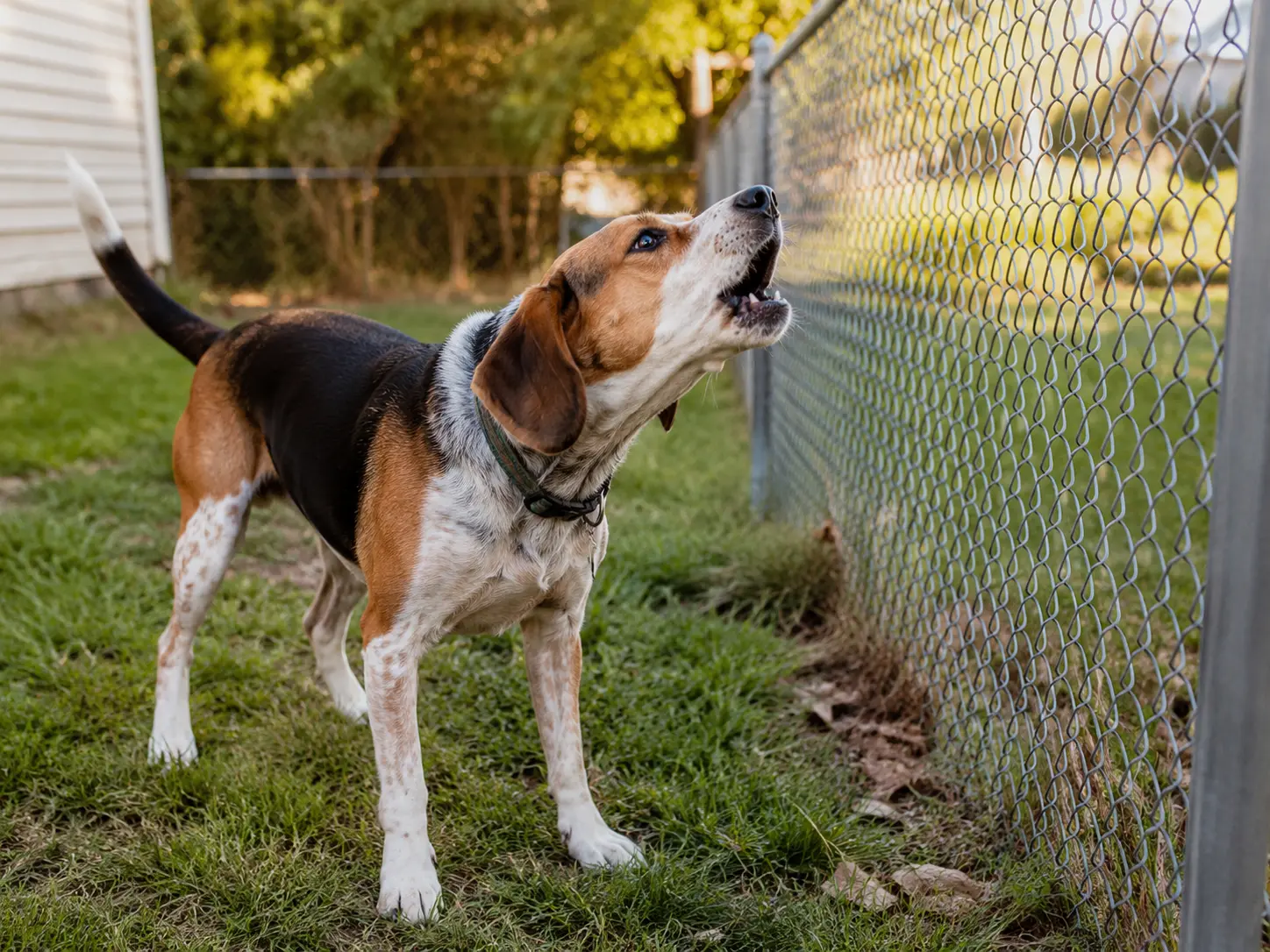
Ultrasonic devices may be affected by distance, direction, walls, doors, windows, fences, battery level, and whether the dog is actually in the device’s path.
For collars, check the fit, sensor, contact area, spray level, battery, mode, and signs of damage. Follow the manufacturer’s instructions and do not assume your dog is deliberately ignoring the product.
4. The Device Does Not Address the Cause
A dog barking from boredom needs a different plan than a dog barking from fear, crate distress, separation-related distress, pain, or territorial alerting.
An interruption may stop the sound briefly, but it does not automatically make the dog feel calm or safe.
5. The Device May Increase Stress
Some dogs become more frantic after a startling sound, spray, shock, or vibration.
Watch for hiding, freezing, trembling, pacing, avoiding the area, barking harder, growling, snapping, or becoming unusually reactive.
Quiet does not always mean calm. A dog who stops barking but appears fearful or shut down may still be struggling. Pause the device and speak with a veterinarian or qualified reward-based professional if the reaction is intense or worsening.
Barking Patterns and Better First Steps
| Barking Pattern | Possible Reason | Better First Step |
|---|---|---|
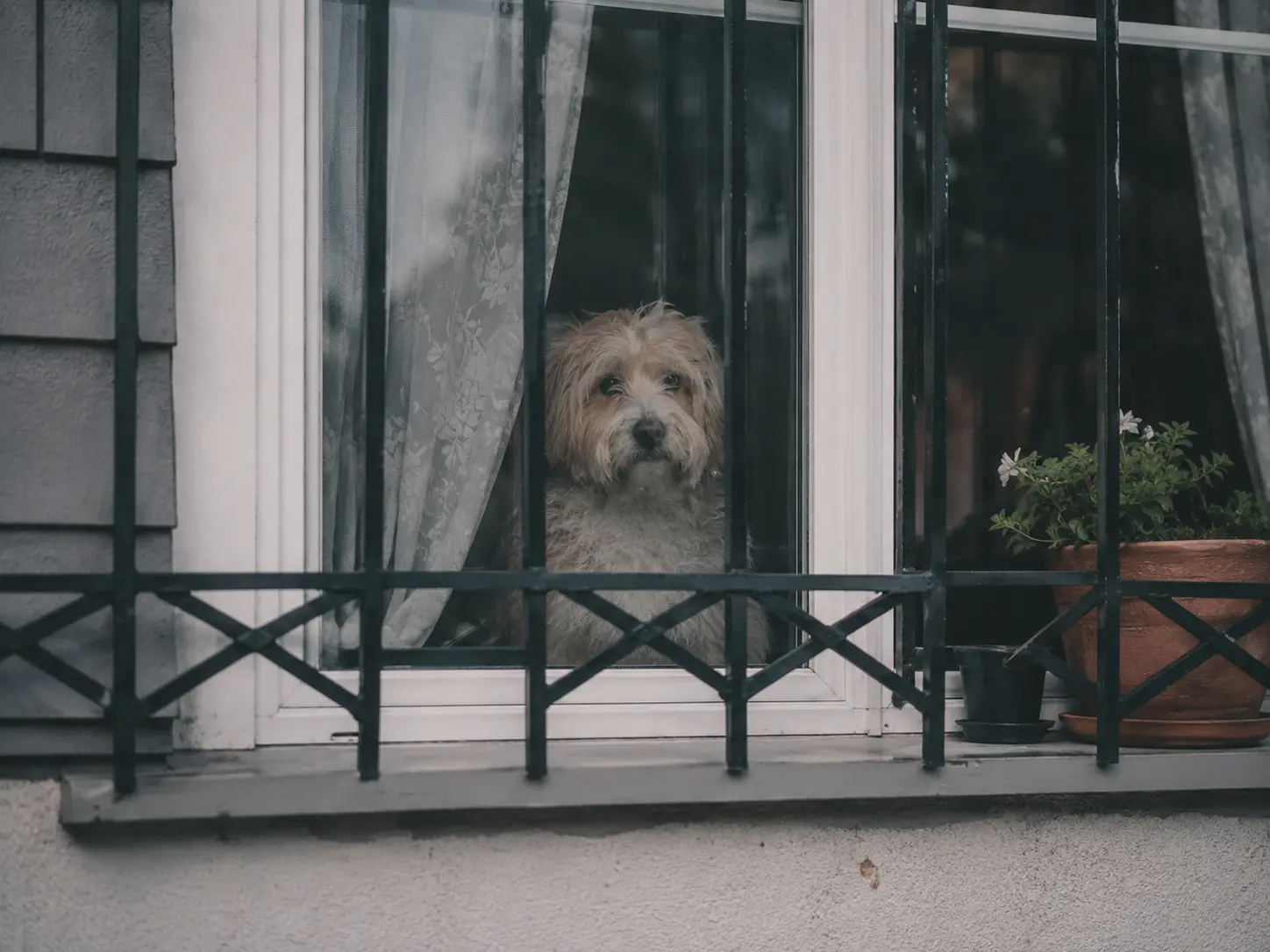
| Hallway, door, or window barking | Alert or territorial response | Block the view, add white noise, and reward moving away |
| Barking when left alone | Boredom, frustration, or separation-related distress | Record the behavior and look for panic signs |
| Barking in a crate | Frustration, fear, unmet needs, or distress | Check duration, comfort, potty needs, and crate training |
| Barking for attention | Learned demand behavior | Reward quiet behavior and teach a settle spot |
| Quiet only when the collar is on | Collar-wise learning | Practice calm behavior without the device |
| Sudden barking in an older dog | Pain, confusion, sensory change, or another health issue | Contact a veterinarian |
This table is not a diagnosis. It helps you decide what to check first.
Real-World Scenarios

The Device Worked for a Few Days
Your dog initially paused, then started barking again. Your dog may have become used to the interruption while the trigger remained unchanged.
One Dog Barks and Another Gets Corrected
In a multi-dog home, a nearby dog may receive the correction even though another dog barked. Avoid microphone-based tools when accurate timing cannot be guaranteed.
Your Dog Barks More After Activation
If barking becomes more frantic, especially in a crate or when your dog is alone, fear or distress may be involved. Stop the device and reassess the cause.
Neighbors, a Landlord, or an HOA Are Complaining
Use immediate management while building a long-term plan: block window views, move your dog away from shared walls and the front door, add white noise, offer calm enrichment, and keep a barking log.
What to Do Instead
If an anti-bark device is not working, shift from “stop the sound” to “change the pattern.”
Track the barking, reduce the trigger, and teach a replacement behavior your dog can use without the device. When you still need practical management tools, compare humane bark-collar alternatives that support the training plan instead of simply adding a stronger correction.
Step 1: Track the Pattern
For three to five days, note the time, location, trigger, duration, body language, whether your dog was alone, and what happened immediately before and after barking.
Step 2: Reduce the Trigger
- Close blinds or use window film for visual triggers.
- Use a fan or white noise near the front door or shared wall.
- Move your dog’s bed away from windows and busy hallways.
- Supervise yard time and bring your dog inside during high-trigger periods.
- Avoid leaving your dog in the loudest room when home alone.
Step 3: Teach a Replacement Behavior
Choose one simple action: “come away,” “go to bed,” “touch,” or “find it.” Practice when the trigger is mild.
Reward your dog for turning away, moving to a mat, or checking in with you before barking builds.
Step 4: Add Activity Before High-Risk Times
Use a sniff walk, food puzzle, safe chew, scatter feeding, or short reward-based training session before deliveries, work calls, evening activity, or other predictable barking periods.
For barking that starts when you sit down, see why your dog barks when you sit down.
Step 5: Stop If Distress Increases
Discontinue the device if your dog becomes more fearful, reactive, shut down, or unable to respond to familiar cues.
Increase distance from the trigger and seek professional help when needed.
Simple 5-Day Barking Reset
- Day 1: Track when, where, and why barking happens.
- Day 2: Check the battery, sensor, fit, range, and possible false triggers.
- Day 3: Reduce one major trigger with blinds, white noise, distance, or a quieter room.
- Day 4: Practice one replacement behavior during mild triggers.
- Day 5: Reward your dog for noticing the trigger and staying quiet or turning back to you.
If your dog shows panic, pain, aggression, or sudden behavior change, skip the reset plan and contact a professional.
What Not to Do
- Do not keep increasing intensity because the first setting stopped working.
- Do not use one device where another dog or environmental sound may trigger it.
- Do not rely on a gadget alone for fear, panic, crate distress, or separation-related barking.
- Do not assume labels such as “humane” or “vibration only” guarantee that your dog feels safe.
- Do not ignore sudden barking changes, especially in senior dogs.
When to Contact a Vet or Qualified Trainer
Contact a veterinarian when barking starts suddenly or appears with pain, confusion, appetite changes, altered sleep, disorientation, unusual restlessness, weakness, or new sound sensitivity.
Contact a qualified reward-based trainer, veterinary behaviorist, or credentialed behavior professional if the device increases fear, barking is causing complaints, or you cannot identify the main trigger.
Professional help is especially important when your dog barks or panics when left alone, growls, lunges, snaps, becomes more reactive, or seems fearful or shut down after device use.
Quick Summary
Anti-bark devices may stop working because your dog gets used to the interruption, the device activates at the wrong time, the setup is incorrect, the barking trigger is stronger than the device, or the tool does not address the cause.
Before increasing intensity or buying another device, check the setup, track the barking pattern, reduce the trigger, and teach a replacement behavior.
Stop using the device and get help if your dog becomes more fearful, frantic, shut down, reactive, or unable to settle.
FAQs
Can dogs get used to ultrasonic bark devices?
Yes. Some dogs stop reacting after repeated exposure, especially when the original trigger remains present.
Why did my bark collar stop working?
Possible reasons include a low battery, poor fit, a dirty sensor, an empty spray canister, false activation, collar-wise learning, or a trigger that is stronger than the interruption.
Do ultrasonic bark devices work through walls or fences?
Not reliably in every setting. Distance, direction, barriers, and product design can reduce performance.
What is the most humane way to reduce barking?
Identify the trigger, reduce exposure, reward calm behavior, teach a replacement response, and seek professional help for fear, panic, aggression, or sudden behavior changes.
What should I do about apartment barking complaints?
Move your dog away from shared walls and the front door, block visual triggers, use white noise, provide calm enrichment before predictable noise, keep a barking log, and record behavior when your dog is alone.
 ✓
✓