


Identify the Night-Barking Trigger First
Start with the product that removes your dog’s clearest nighttime trigger. Use blackout curtains or privacy film for headlights, passing animals, and window movement; use steady background sound for hallway or shared-wall noise; and use a gate only when calmly blocking patrol access helps. A supportive bed is useful after moving the sleep area, but it will not treat anxiety, pain, or cognitive changes. If barking begins suddenly, occurs mainly when your dog is alone, or comes with pacing, confusion, escape attempts, or physical discomfort, skip another gadget and arrange veterinary or qualified behavior support.
Quick Product Matches
How We Researched
We checked official product pages, manufacturer FAQs, installation limits, current product ranges, recent public user concerns, and authoritative dog-behavior guidance in July 2026. We did not personally test every product in this guide. Recommendations are based on trigger fit, verified features, setup requirements, meaningful limitations, and whether the product can reduce access to a trigger without being presented as a cure for barking.
Quick Comparison Table
| Product | Suitable for | Key advantage | Setup | Main limitation |
|---|---|---|---|---|
| NICETOWN Nora Faux Linen Blackout Curtains | Street-facing windows and moving light | Full visual blocking when the selected size covers the window properly | Measure rod, width, and length | Does not address sound or separation distress |
| rabbitgoo Static Cling Frosted Window Film | Low windows and glass doors | Blurs outside movement without making the room fully dark | Wet application on clean, smooth glass | Frosted film is not the same as total-blackout film |
| LectroFan Classic | Hallways, elevators, traffic, and shared walls | Twenty non-repeating fan and noise sounds | USB or AC power near the noise-facing side | Masks sound but does not treat anxiety |
| Regalo Easy Step Safety Gate | Dogs that patrol doors, windows, or hallways | Walk-through access while restricting the trigger zone | Measure the opening and install wall cups | Can worsen barrier frustration |
| FurHaven Plush & Suede Sofa Dog Bed | Creating a comfortable interior sleep station | Supportive resting area with washable-cover options | Measure the dog and available floor space | Not chew-resistant or a treatment for pain |
Product Recommendations by Trigger

NICETOWN Nora Faux Linen 100% Blackout Ready Made Curtains Pair
Choose these curtains when headlights, shadows, pedestrians, cats, or wildlife cause your dog to rush toward a window. NICETOWN lists this model as a two-panel, 100% polyester blackout set with pinch-pleat and back-tab hanging options. Available dimensions vary, so the useful feature is not the product name alone it is choosing enough width and length to close the side and bottom gaps your dog can still watch through.
- Main limit
- Visual coverage will not solve hallway noise, separation distress, or discomfort.
- Avoid if
- Your dog grabs hanging fabric or the window cannot safely support the required hardware.
- Setup tip
- Measure the full rod and finished drop, then check the exact dimensions of the selected pair.

rabbitgoo Static Cling Frosted Glass Window Film
This film is more practical than curtains when your dog watches through a patio door, front-door glass, or a low window that remains exposed. rabbitgoo describes the film as static-cling, removable, reusable, and designed to obscure views while allowing light through. That makes it suitable for reducing moving silhouettes without turning the room into a fully dark space.
- Main limit
- The frosted version is not a total-blackout film, and privacy performance depends on the selected pattern and lighting.
- Avoid if
- The glass is textured, damaged, dirty, or unsuitable for film under the window manufacturer’s guidance.
- Setup tip
- Clean the glass thoroughly, wet the entire surface, smooth out bubbles, and re-wet any lifting corner.
LectroFan Classic White Noise and Fan Sound Machine
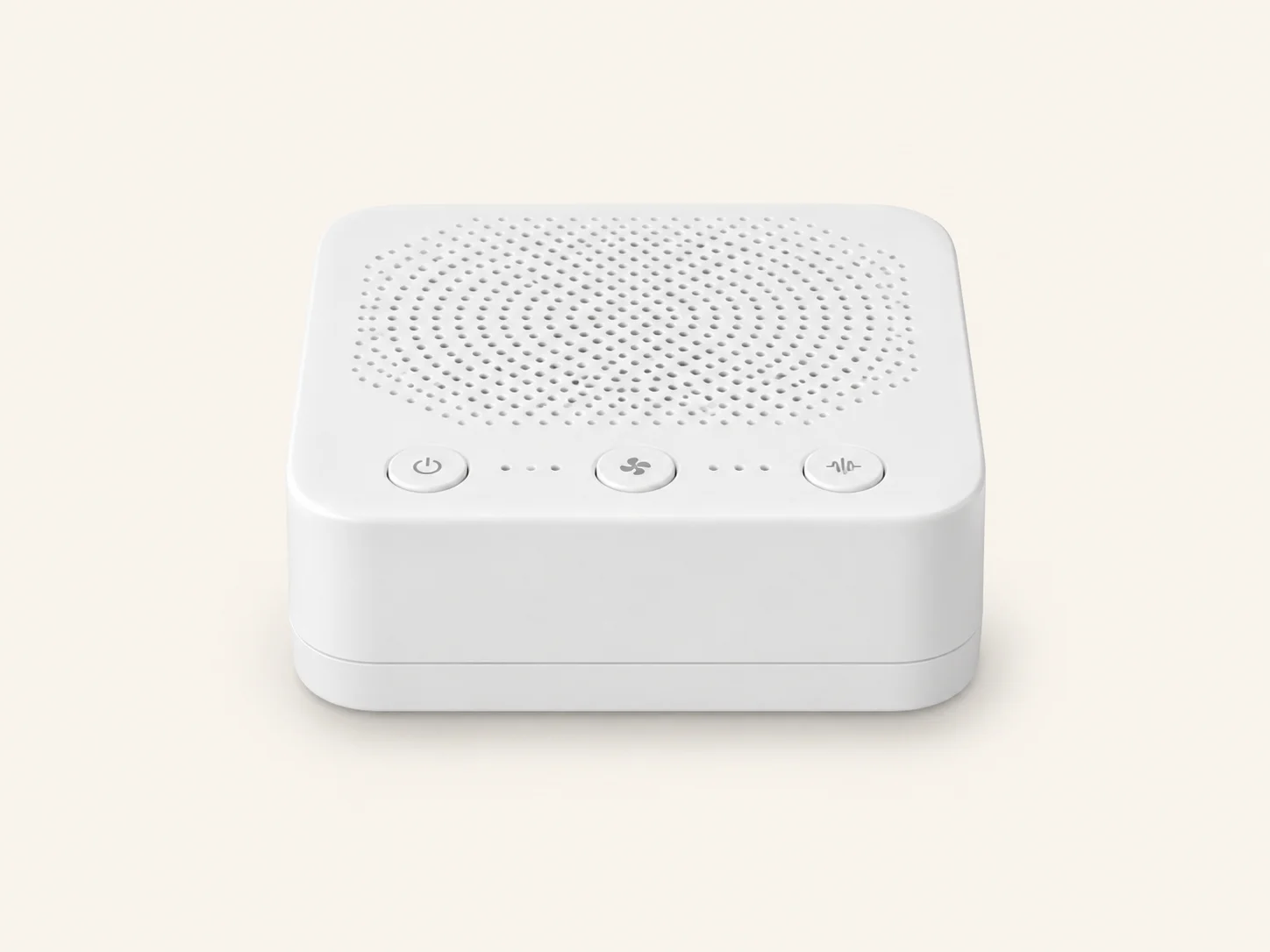
The LectroFan Classic fits apartments and homes where footsteps, doors, elevators, traffic, or shared-wall sounds repeatedly trigger alert barking. The manufacturer lists 20 non-repeating digital choices: ten fan sounds and ten white-noise variations, including pink and brown noise. It can run from a wall outlet or powered USB port, giving you more sound choices than a basic fan without requiring an app or subscription.
- Main limit
- It softens sound changes; it does not teach settling or treat fear of being alone.
- Avoid if
- Your dog becomes more alert around electronic sounds, or the power cable cannot be placed safely.
- Setup tip
- Start at a low, comfortable level before the usual trigger time and adjust only enough to soften sudden noise.
Regalo Easy Step Safety Gate
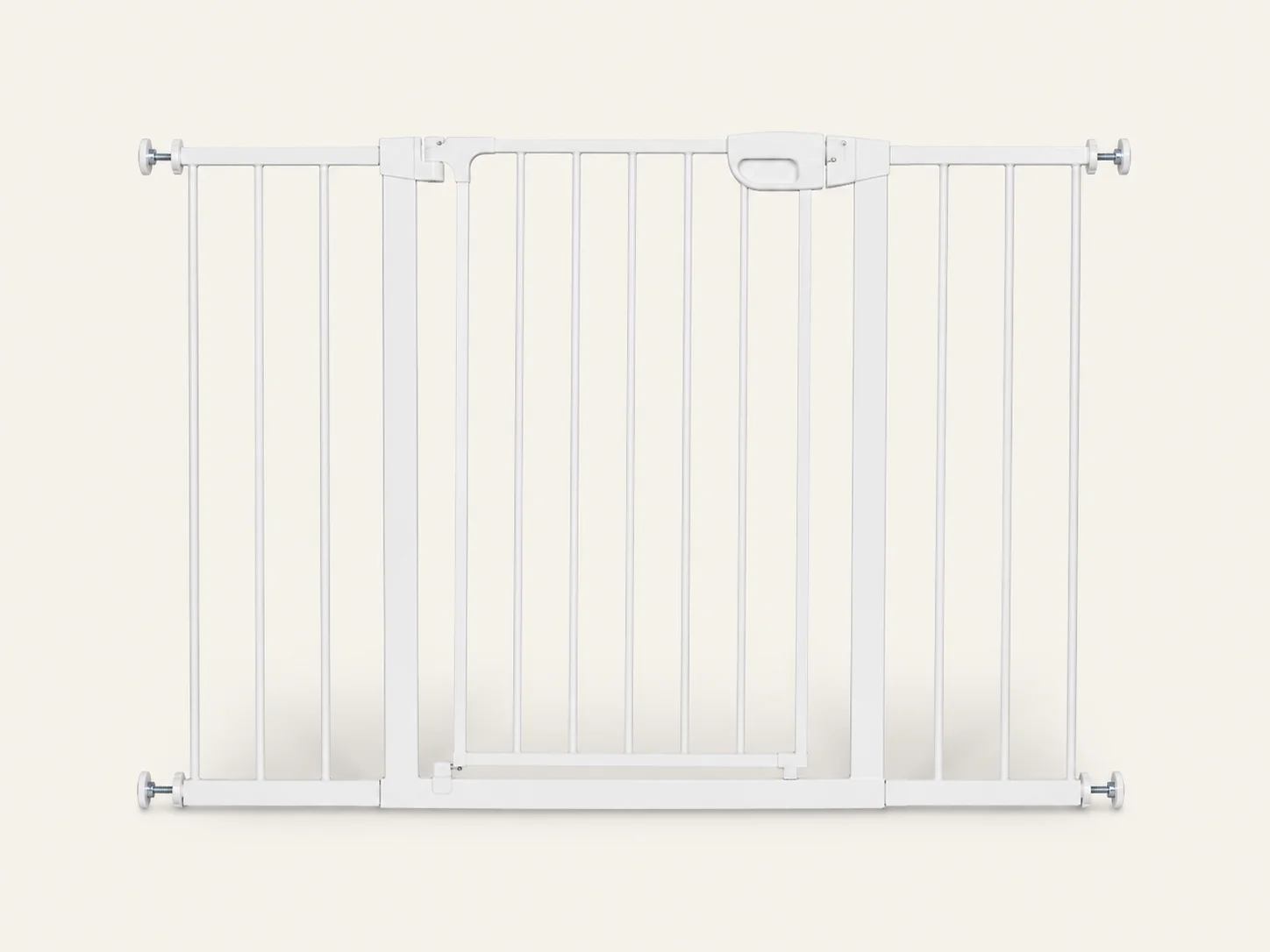
A gate is relevant when your dog repeatedly leaves the sleeping area to patrol a front door, hallway, or window. Regalo lists this model at 30 inches (76 cm) tall with a 16-inch (41 cm) walk-through door. It fits openings from 29 to 38.5 inches (about 74–98 cm), but openings from 32 to 35 inches require a separate 4-inch extension. The included wall cups must be installed.
- Main limit
- A barrier can increase barking, scratching, or jumping in dogs with barrier frustration.
- Avoid if
- Your dog climbs or dislodges gates, or the intended location is at the top of stairs; Regalo warns against top-of-stair use.
- Setup tip
- Measure twice, use all required mounting parts, and stop if confinement makes the dog more distressed.

FurHaven Plush & Suede Sofa Dog Bed
This bed is worth considering when you move your dog away from a street-facing window, entryway, or noisy shared wall and need the new location to remain inviting. FurHaven includes the Plush & Suede Sofa Dog Bed in its orthopedic range, and its FAQ says most FurHaven beds have removable, machine-washable covers. The brand recommends measuring the dog in a preferred sleeping position rather than choosing by breed name alone.
- Main limit
- FurHaven says its beds are not chew-resistant, and standard indoor beds are not waterproof.
- Avoid if
- Your dog destroys bedding or nighttime restlessness appears linked to pain, confusion, or mobility changes.
- Setup tip
- Place the bed on an interior wall and keep the previous familiar bedding nearby during the transition.
Before You Buy: Five Diagnostic Checks
- What happens immediately before barking? Look for window checks, ear movement, door rushing, pacing, or waking in discomfort.
- Will the product fit the real space? Measure the finished window, doorway, power-cable route, and available bed area.
- Could it introduce another risk? Check loose fabric, cords, chewing, climbing, overheating, and barrier frustration.
- Can you test one change at a time? Separate changes make it easier to identify what actually reduces barking.
- Does the pattern suggest distress or illness? Sudden onset, separation-only barking, confusion, pain signs, or escape behavior need assessment.
A Simple Three-Night Setup Test
Complete the normal evening bathroom break and settle the room before the usual barking time. Move the sleep area away from the strongest window, doorway, or shared wall. Block one visual trigger or soften one sound trigger not both on the first night. Use a gate only if your dog can rest behind it without scratching, jumping, or vocalizing more. For three comparable nights, note the trigger, start time, barking duration, and how quickly your dog settles.
When Another Product Is Unlikely to Help
Arrange a veterinary check when nighttime vocalization begins suddenly or appears with pain, mobility changes, appetite or bathroom changes, sensory decline, or confusion in an older dog. The ASPCA’s senior-dog guidance identifies several medical and age-related causes that require evaluation. Barking that occurs mainly when the dog is alone, especially with pacing, destruction, elimination, or escape attempts, can fit a separation-anxiety pattern. A reward-based behavior professional is more appropriate than punishment-based anti-bark equipment.
FAQs
Why does my dog bark at night when nothing seems to be outside?
Your dog may detect distant footsteps, doors, traffic, wildlife, scent, or movement that you do not notice. Record where the dog looks and what happens just before barking. A product choice is more reliable after you identify whether the first response is toward a window, doorway, sound source, or the sleeping area itself.
Should I choose blackout curtains or privacy film?
Choose blackout curtains when you need full visual and light blocking across a normal window. Choose frosted film for low windows or glass doors where you want to blur movement but retain daylight. Neither option addresses barking caused primarily by sound, pain, or being left alone.
How loud should a white noise machine be for a dog?
Use the lowest comfortable level that softens sudden environmental sounds. It should not be used to overpower barking or placed against the dog’s resting area. Lower the level or remove the device if the dog becomes more vigilant, avoids the room, or cannot settle.
Why does my dog bark more after I put up a gate?
The barrier may be creating frustration rather than calm separation. The American Veterinary Society of Animal Behavior notes that barrier frustration can resemble anxiety through barking, whining, howling, or destruction. Stop using the gate as a nighttime fix if those behaviors intensify.
Will a better dog bed stop nighttime barking?
Only when poor comfort or an unsuccessful room relocation is part of the problem. A supportive bed can make a quieter interior sleep station easier to accept, but it cannot diagnose or treat pain, cognitive changes, fear, or separation distress.
What should I do if an older dog suddenly starts barking at night?
Book a veterinary assessment before relying on room products. Note when the barking started and whether you also see disorientation, altered sleep, pacing, house-soiling, reduced hearing or vision, pain, or mobility changes. Those details help the veterinarian investigate the cause.
Final Recommendation
Buy only after matching the product to the trigger: NICETOWN curtains for full window blocking, rabbitgoo frosted film for low-glass movement, LectroFan Classic for recurring external sounds, Regalo Easy Step for calm patrol restriction, or a correctly sized FurHaven bed for a relocated sleep area. Start with the least restrictive change and test it alone. Do not use another purchase to delay veterinary or behavior help when barking is sudden, separation-linked, painful, or distressing.
Sources
View the research sources used
- NICETOWN Nora Faux Linen 100% Blackout Ready Made Curtains Pair
- rabbitgoo Static Cling Frosted Glass Window Film
- Sound of Sleep LectroFan Classic official specifications
- Regalo Easy Step Safety Gate official specifications and warnings
- FurHaven Orthopedic bed range
- FurHaven Sizing, cover care, waterproofing, and chew-resistance FAQ
- ASPCA Barking guidance
- ASPCA Separation anxiety guidance
- ASPCA Behavior problems in older dogs
- AVSAB Barrier frustration and separation-related behavior
- Reddit discussion reviewed for natural user-question wording only
- Reddit discussion reviewed for practical concern patterns only
 ✓
✓