

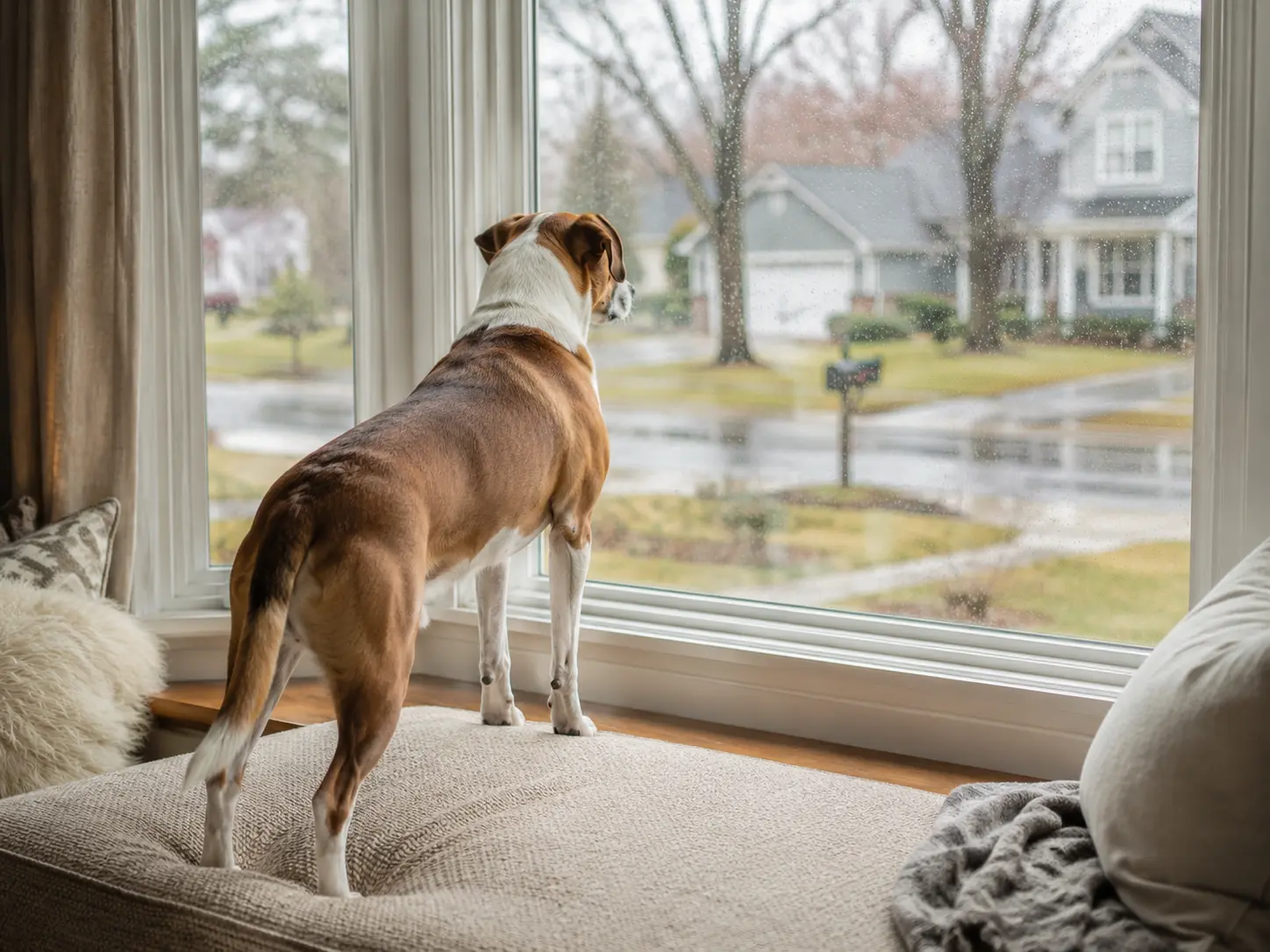
For dogs that bark at visible movement outside, start with rabbitgoo Static Cling Frosted Glass Window Film on the lower part of the problem window. It is a practical renter-friendly option when blocking the view helps the dog settle. Its main limitation is that it cannot reduce hallway noise or treat separation panic. Choose the Regalo Easy Step Extra Wide Gate only when your dog calmly accepts barriers. Use the LectroFan EVO for sound-triggered barking. When the trigger is unclear, the TP-Link Tapo C120 is the better first purchase because it can show what happens after you leave.
Quick Product Matches
How We Researched
We checked official product specifications, installation requirements, storage options, safety warnings, regional retailer availability, recurring customer-review concerns, Reddit discussions about barrier frustration and two-way audio, and professional canine-behavior guidance. Product information and availability were checked in July 2026, but Amazon stock, plug types, model variations, and seller terms can differ between the US, UK, Canada, and Australia. We did not personally test every product in this guide.
Quick Comparison
| Product | Suitable for | Key advantage | Setup or subscription | Main limitation |
|---|---|---|---|---|
| rabbitgoo Frosted Window Film | Visual movement outside | Removable static-cling coverage | Measure, cut, wet glass, and apply | No help for sound or separation panic |
| Regalo Easy Step Extra Wide Gate | Creating distance from a trigger zone | Pressure-mounted walk-through design | Precise measuring and wall cups required | Unsuitable for jumping or barrier-frustrated dogs |
| LectroFan EVO | Footsteps, doors, elevators, and neighbor noise | Twenty-two adjustable sound options | Plug-in; no app or subscription | Masks sound but does not identify the trigger |
| TP-Link Tapo C120 | Unknown barking patterns | 2K video, bark detection, and local storage | 2.4 GHz Wi-Fi; cloud optional | Fixed view and a reachable power cord |
Product Recommendations by Trigger

rabbitgoo Static Cling Frosted Glass Window Film
This film is the most direct option when barking starts after the dog sees pedestrians, neighboring dogs, vehicles, or deliveries. Rabbitgoo describes it as removable, reusable static-cling film designed for clean, smooth glass. The frosted finish blocks a clear view while allowing light into the room.
- Main advantage: It can cover only the dog’s eye-level section instead of darkening the entire window.
- Main limitation: Retailer feedback repeatedly mentions difficult backing removal, trapped bubbles, or lifting edges when the glass is not cleaned and wetted thoroughly.
- Avoid it when: Your dog scratches glass, chews loose plastic, or becomes more distressed when visibility changes.
- Setup tip: Test one lower window panel for several departures before covering every window.
Official product and installation information
Check Current Price on Amazon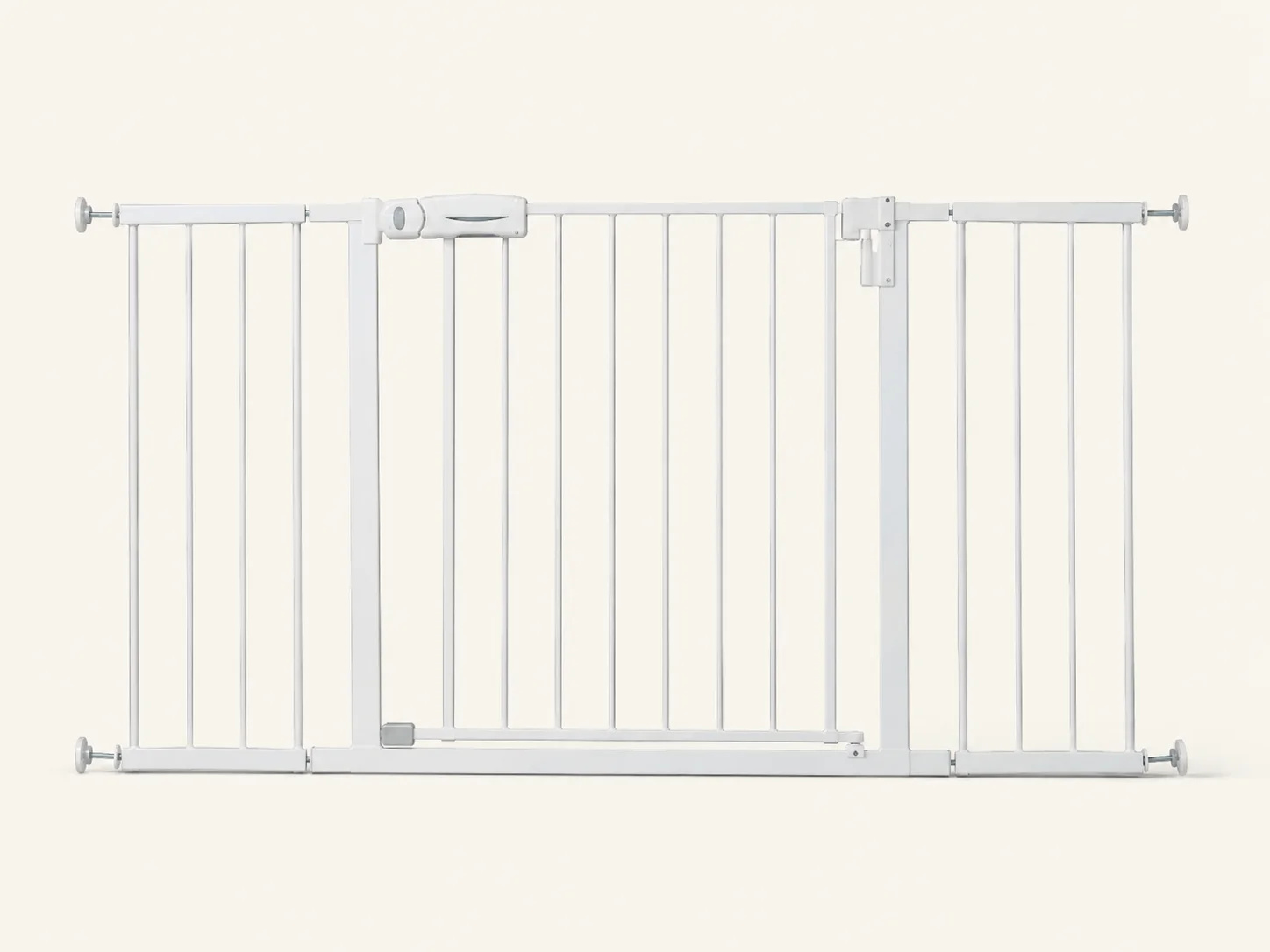
Regalo Easy Step Extra Wide Safety Gate, Model 1164
This 30-inch-high (76.2 cm) metal gate is relevant when a dog settles after losing access to the front door or street-facing window. Regalo lists a pressure-mounted design, a 16-inch (40.6 cm) walk-through opening, wall-mounting hardware, and included 4-inch and 12-inch extensions.
- Main advantage: It can fit selected openings from 29 to 49 inches (73.7 to 124.5 cm), giving medium and large dogs a separate resting area.
- Main limitation: The supported width ranges contain gaps, so measuring only the approximate doorway width can lead to the wrong fit.
- Avoid it when: Your dog jumps, climbs, bites bars, crashes into gates, or barks and paces more intensely behind barriers.
- Setup tip: Install the included wall cups and never use this pressure-mounted gate at the top of stairs.
Official dimensions, included parts, and safety guidance
Check Availability on Amazon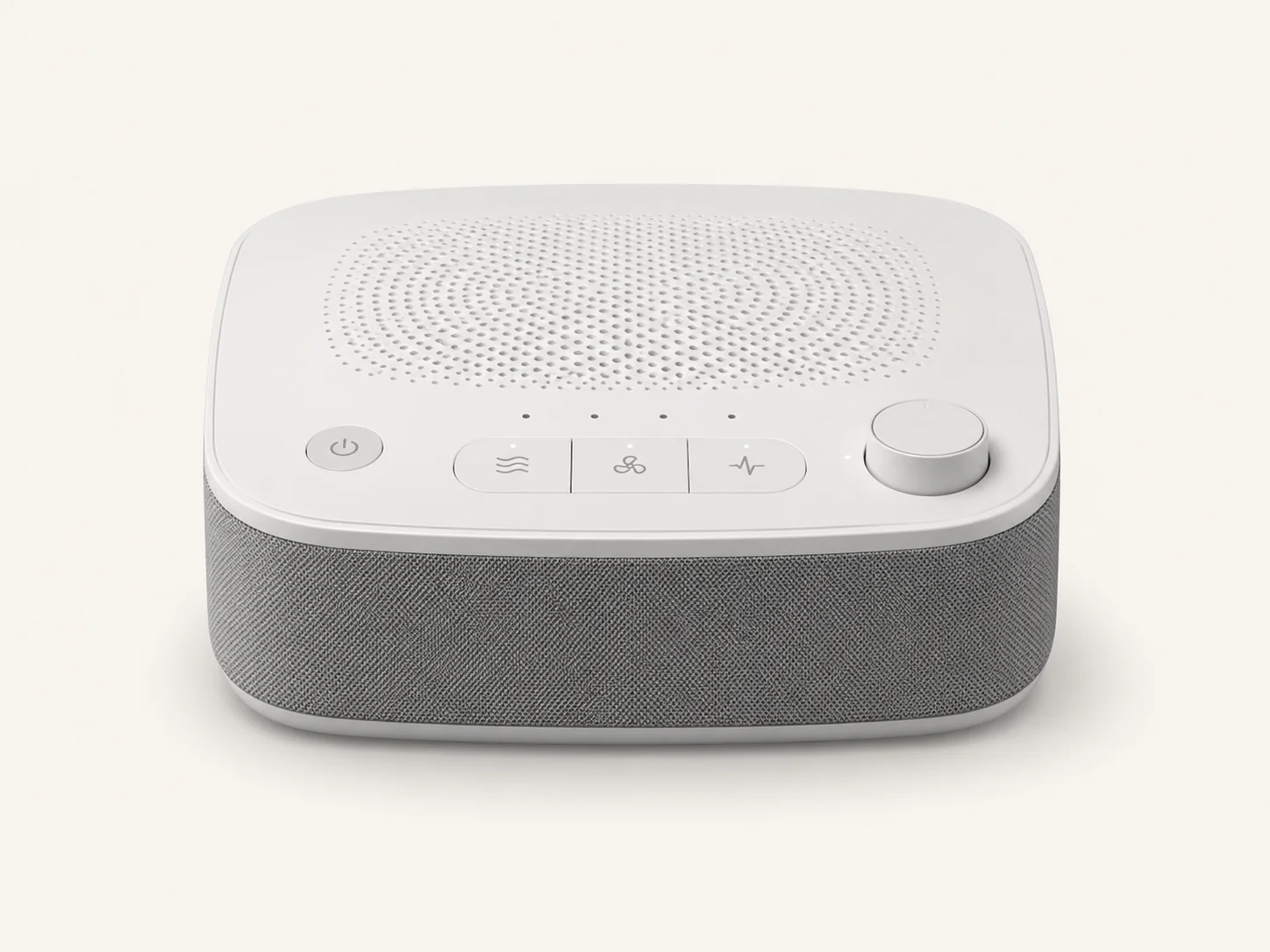
LectroFan EVO Sound Machine
The LectroFan EVO is better suited to dogs that react to footsteps, elevators, neighboring doors, voices, or other intermittent sounds. It offers 10 fan sounds, 10 noise variations, and two ocean sounds, allowing more adjustment than a basic single-tone machine.
- Main advantage: Its digitally generated sounds run without an internal fan motor, and the volume and sound profile can be adjusted for the room.
- Main limitation: It only masks competing noise. It cannot confirm whether the dog is reacting to sound, vision, frustration, or being left alone.
- Avoid it when: Your dog appears restless around steady noise or needs silence to settle.
- Setup tip: Place it between the resting area and the hallway-facing door or shared wall, using the lowest useful background level.
Official features, dimensions, and warranty information
View Latest Price on Amazon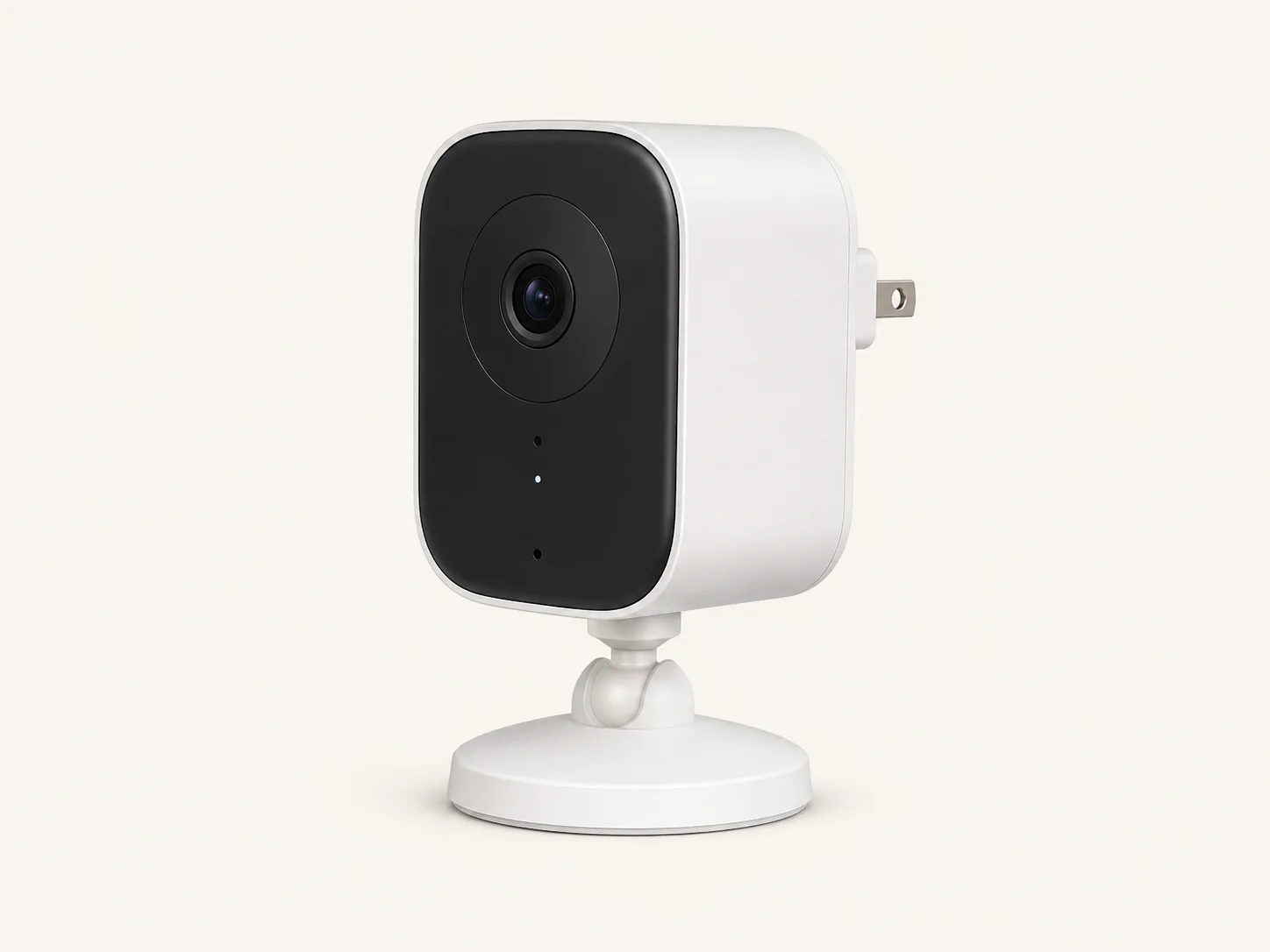
TP-Link Tapo C120 Camera
The Tapo C120 is a useful diagnostic purchase when you do not know whether barking starts at the window, front door, hallway noise, or immediately after departure. TP-Link lists 2K QHD video, a 120-degree diagonal field of view, pet and bark detection, two-way audio, and a magnetic mounting base.
- Main advantage: Recordings can be stored on a microSD card up to 512 GB, while Tapo Care cloud storage remains optional.
- Main limitation: It is a fixed-view, plug-in camera requiring 2.4 GHz Wi-Fi. Regional retailer feedback also shows mixed experiences with long-term connectivity.
- Avoid it when: The cord cannot be hidden or the dog tries to pull down small devices.
- Setup tip: Test two-way audio while you are nearby; some dogs become more unsettled when they hear an absent owner’s voice.
Official camera, storage, network, and power specifications
Check Current Price on AmazonBefore You Buy
- What happens immediately before barking? Look for a person outside, a hallway sound, rushing to an exit, or distress beginning as soon as you leave.
- Does distance actually calm your dog? A gate is unsuitable when confinement causes more barking, jumping, pacing, or escape attempts.
- Will the product be safe unsupervised? Check for reachable cords, loose film, climbable bars, small parts, and chewable materials.
- Do you need monitoring or intervention? A camera can identify the pattern, but it does not remove a trigger or treat anxiety.
- Does the exact model fit your country and home? Confirm measurements, plug type, Wi-Fi requirements, storage costs, and local return terms before ordering.
How to Test the Setup
- Record a normal departure before changing anything so you have a baseline.
- Change one trigger at a time—for example, cover one window rather than covering the entire room.
- Keep the dog’s normal bed, water, airflow, and safe walking space available.
- Review the first 5–20 minutes after departure and note when barking, pacing, scratching, or settling begins.
- Remove or reposition the product if the dog becomes more frustrated, destructive, or fearful.
When a Product Is Not Enough
Window coverings, sound masking, gates, and cameras can manage environmental triggers, but they do not treat serious separation-related distress. The ASPCA notes that affected dogs may bark persistently, damage doors or windows, attempt to escape, and injure their teeth, paws, or nails.
Contact a veterinarian or qualified reward-based behavior professional when your dog:
- tries to break through doors, windows, crates, or gates;
- shows heavy drooling, continuous pacing, house soiling, or prolonged howling when alone;
- has a sudden behavior change, especially with pain, aging, or other medical signs; or
- becomes more distressed after a barrier or remote voice is introduced.
Do not use shock, spray, or other punishment-based anti-bark products as a shortcut. The American Veterinary Society of Animal Behavior recommends reward-based methods and states that aversive methods should not be used for behavior treatment.
Sources: ASPCA separation-anxiety guidance, AVSAB humane dog-training position statement, and Best Friends barrier-frustration guidance.
Frequently Asked Questions
Should I buy window film or a camera first?
Buy window film first when you have already confirmed that visible movement causes the barking. Choose a camera first when you are still guessing or when barking may begin before the dog reaches the window.
Why does my dog bark more after I install a baby gate?
The gate may be creating barrier frustration or confinement distress. Barking, lunging, jumping, and pacing behind the gate mean it is not functioning as a calming distance tool. Remove it and test a different room arrangement or visual barrier.
Can white noise completely block apartment hallway sounds?
No. A sound machine can make sudden noises less noticeable, but it is not soundproofing. Door slams, loud voices, and vibration may still reach the dog. Combine sound masking with greater distance from the door when possible.
Does the Tapo C120 require a monthly subscription?
No subscription is required for live viewing or compatible microSD recording. Tapo Care is an optional paid cloud service. Confirm which alerts, snapshots, and recording features are available without the subscription in your region.
Should I speak to my dog through the camera?
Only when a supervised trial shows that your voice helps. Some dogs search for the owner, bark more, or become confused when they hear a voice without seeing the person. Observation alone is often more useful during initial trigger assessment.
How quickly should these products reduce barking?
A correctly matched environmental change may reduce trigger-based barking during the first few trials. No immediate improvement or worsening panic suggests that the trigger was identified incorrectly or that the problem needs a broader behavior plan.
Final Recommendation
Start with the product that matches the observed trigger. Use rabbitgoo frosted film for outside movement, the Regalo gate only for dogs that remain calm behind barriers, and the LectroFan EVO for intermittent hallway noise.
When the trigger is uncertain, begin with the TP-Link Tapo C120 instead of buying several management products. Video evidence makes it easier to distinguish environmental barking from distress that requires veterinary or behavior support.
 ✓
✓