
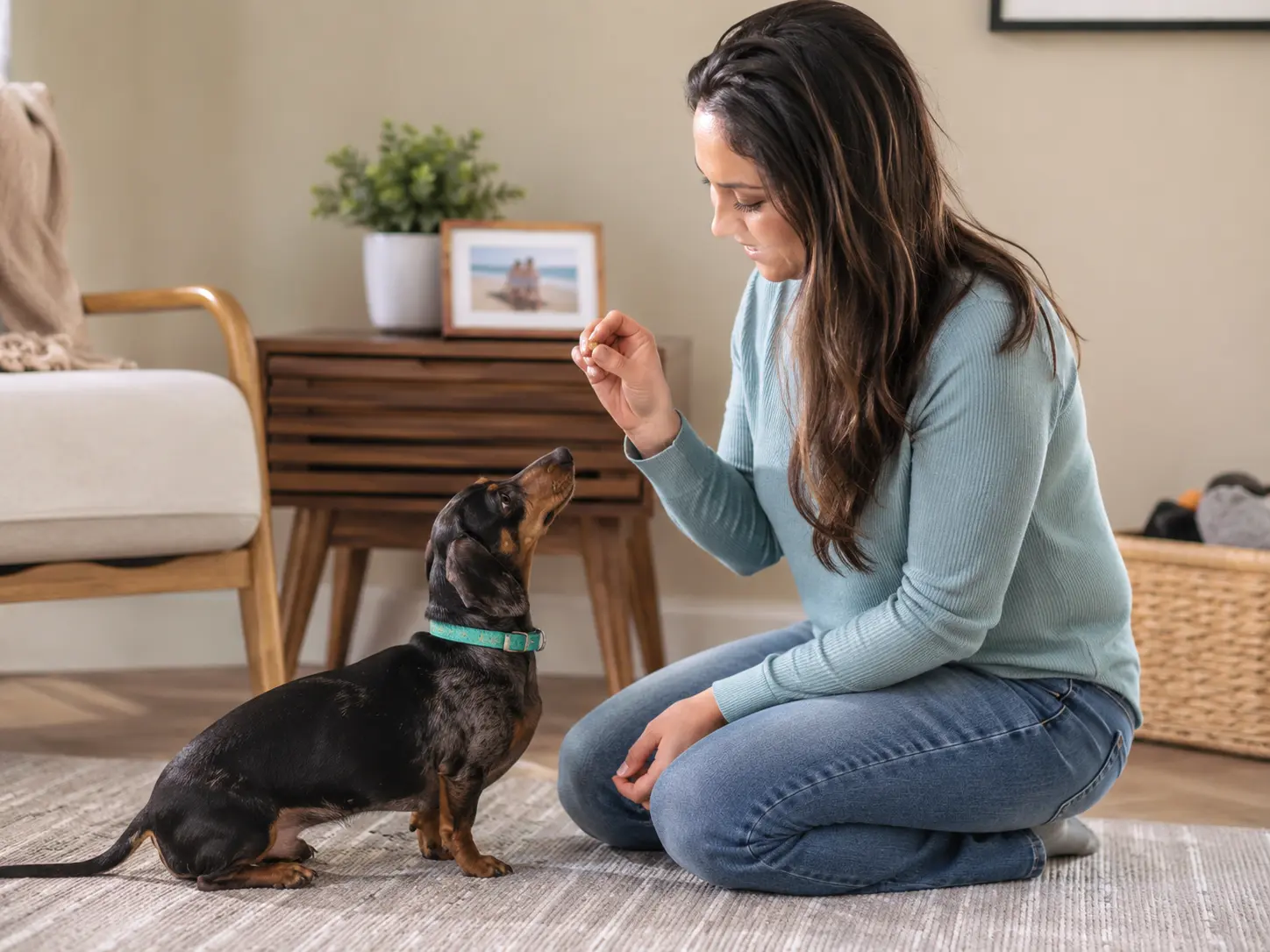
Calming Aids for Dog Separation Anxiety: Wraps, Diffusers, Music, and Beds Compared

Calming Aids for Dog Separation Anxiety: Wraps, Diffusers, Music, and Beds Compared

If your dog starts pacing, whining, barking, shaking, or following you before you even leave, the problem may begin with your departure routine keys, shoes, coat, bag, or the front door.

This guide compares calming aids for dog separation anxiety so you can choose the most realistic support tool for your dog’s exact pre-departure trigger.

Immediate Answer

Calming aids may help with dog pre-departure anxiety, but they usually work best as support tools not a full cure for separation anxiety.

For most dogs, a pheromone diffuser or calming music is the easiest starting point because both create a calmer home routine without putting anything on the dog. An anxiety wrap may help some dogs with visible body tension, but it should be tested while supervised first. A sound machine may help if routine sounds or hallway noise trigger barking. A calming bed can support a settle routine, but it should not be treated as an anxiety treatment by itself.

If your dog is drooling, shaking, escaping, destroying things, injuring themselves, or getting worse when left alone, calming aids should be used only alongside vet or behavior support.

Quick Decision Table: Which Product Type Fits Your Dog’s Trigger?

User problem Best solution/product type Best for Avoid when / not best for
Dog panics when keys, coat, shoes, or bag appear Pheromone diffuser plus cue practice Home-based pre-departure anxiety Severe panic without a behavior plan
Dog paces, whines, trembles, or clings before you leave Anxiety wrap during supervised practice Dogs who tolerate body pressure Dogs who freeze, chew, fight the wrap, or overheat
Dog reacts to door sounds, hallway noise, keys, or owner movement Calming music or sound machine Noise-sensitive dogs, apartments, shared walls Dogs mainly triggered by owner absence, not sound
Dog needs a calm place before departure Calming bed plus music or diffuser Dogs who already settle in one spot Destructive chewers or dogs who shred beds
Dog is drooling, shaking, escaping, or injuring themselves Vet or veterinary behaviorist plan Severe separation anxiety signs Product-only advice
Owner wants one simple starting point Pheromone diffuser or calming music Low-risk first trial Expecting an instant cure

How to Choose the Right Product for This Barking Problem

When Barking at Neighbors Becomes a Problem

Start with what happens before you leave.

If your dog reacts as soon as you pick up keys, put on shoes, grab a coat, or move toward the door, the product should support a calmer departure routine. A pheromone diffuser, calming music, or sound machine may help create a more predictable environment while you work on those cues.

If your dog’s body looks tense pacing, trembling, whining, or staying glued to you an anxiety wrap may be worth testing during supervised pre-departure practice.

If your dog mostly reacts to sounds, such as hallway noise, door movement, keys, or footsteps, calming music or a sound machine may be a better fit than a wearable product.

If your dog needs a clear place to settle before you leave, a calming bed can be useful as a comfort station. But if your dog chews, shreds, or eats bedding when anxious, skip soft beds unless you can safely supervise.

The key is not to buy every calming product at once. Pick the product that matches the trigger you actually see.

Product Options That Match This Barking Problem

This article may contain affiliate links. If you buy through these links, we may earn a commission at no extra cost to you. We only include products or product types that match the problem discussed in this guide.

Pheromone diffuser

Official ADAPTIL Calm Home Diffuser page

What it does:

A pheromone diffuser releases a dog-appeasing pheromone into the room. It is designed to work as a background calming aid in the home environment.

When to use:

Use it when your dog becomes anxious around your leaving routine, especially if the anxiety starts in the room where your dog usually waits, rests, or watches you get ready.

Best for:

Dogs with general home-based pre-departure anxiety, owners who want a low-effort support tool, and dogs who do not tolerate wearable products.

Not best for:

It is not enough for severe panic, self-injury, escape attempts, or serious destruction. It is also not the right solution for aggression or problems that are not stress-related.

How to use:

Plug it into the room where your dog spends the most time before and after you leave. Follow the official placement instructions. Do not plug it behind furniture, curtains, shelves, or doors because that can reduce how well it spreads through the room.

Pros:

  • Passive and easy to use
  • No wearable item for the dog to tolerate
  • Can support a consistent leaving routine

Cons:

  • May take time to notice any effect
  • Not every dog responds
  • Does not teach the dog to feel safe alone by itself

Safety note:

Use the diffuser according to the official product instructions. Keep the outlet and cord area safe, especially if your dog chews or scratches near walls.

Calming music

Official iCalmPet / Through a Dog’s Ear page

What it does:

Calming music creates a predictable sound environment. It may help some dogs relax, especially when the home gets quiet or when departure sounds feel sharp and noticeable.

When to use:

Use it before your leaving routine begins, not only after your dog is already upset. It can be part of a repeated calm setup: music on, dog settles, owner moves through a lower-drama departure routine.

Best for:

Dogs who settle with background sound, apartment dogs, and dogs who react to silence, door sounds, or the emotional pattern of the owner getting ready to leave.

Not best for:

It may not help if your dog’s main trigger is owner absence itself, severe panic, or confinement distress. Avoid loud or high-energy music.

How to use:

Play the music at a low-to-moderate volume before you pick up keys, shoes, coat, or bag. Keep the routine consistent so the music becomes part of a calmer pattern, not a last-second emergency fix.

Pros:

  • Easy to test
  • No physical product on the dog
  • Can pair well with a diffuser or settle bed

Cons:

  • Dog response varies
  • Not a complete separation anxiety treatment
  • Some dogs may not like certain sounds

Safety note:

Keep speaker cords out of chewing reach. Avoid loud volume, especially in small rooms.

Sound machine

Official Yogasleep Dohm Classic page or official LectroFan Evo page

What it does:

A sound machine creates steady background noise, such as fan sound, white noise, pink noise, brown noise, or other masking sounds. It can make door sounds, hallway noise, or small routine sounds less noticeable.

When to use:

Use it when your dog reacts to sounds connected with your departure, such as keys, door movement, footsteps, apartment hallway noise, or outside sounds that start before or after you leave.

Best for:

Noise-sensitive dogs, apartment dogs, shared-wall homes, and dogs who bark when they hear movement around the door or hallway.

Not best for:

It is not the best first choice if your dog is mainly reacting to you leaving, not to sound. It also will not fix panic, escape attempts, or severe separation anxiety by itself.

How to use:

Place the sound machine in or near the dog’s safe area. Set the volume high enough to soften small sounds but not so loud that it stresses the dog. Choose a steady sound rather than a distracting or sudden audio pattern.

Pros:

  • Simple and renter-friendly
  • Useful for apartments and hallway noise
  • Can support a consistent leaving routine

Cons:

  • Only masks sound
  • Does not change the dog’s emotional response to being alone
  • Cord safety matters

Safety note:

Keep the cord hidden or out of reach. Do not place the machine where your dog can chew it, knock it down, or overheat near it.

Anxiety wrap

Official ThunderShirt page

What it does:

An anxiety wrap applies gentle pressure around the dog’s torso. Some dogs may find this pressure calming, especially during predictable stress moments.

When to use:

Use it during supervised pre-departure practice when your dog shows body tension, pacing, trembling, whining, or clinginess before you leave.

Best for:

Dogs who already tolerate harnesses, shirts, or body handling, and dogs who seem comforted by close body contact.

Not best for:

Avoid it if your dog freezes, hides, scratches at it, fights it, pants heavily, overheats, or tries to chew it. Do not force the wrap if your dog looks more stressed.

How to use:

Introduce it when you are not leaving first. Let your dog wear it briefly while supervised, then pair it with calm moments. If your dog accepts it, you can test it during short pre-departure practice sessions.

Pros:

  • Non-drug support option
  • Easy to test during supervised practice
  • May help some dogs with visible body tension

Cons:

  • Results vary by dog
  • Some dogs dislike wearing it
  • It should not be used as a quick last-second fix

Safety note:

Do not leave your dog unsupervised in a wrap until you know they are safe with it. Watch for chewing, overheating, restricted movement, or signs that the dog is shutting down rather than relaxing.

Calming bed

Chewy Best Friends by Sheri calming donut bed page, or another verified calming bed product page if selected

What it does:

A calming bed can create a soft, cozy settle spot. It may help as part of a routine if your dog already likes curling up, burrowing, or resting in one place.

When to use:

Use it when you want to build a calm station before departure. It works best when paired with a consistent routine, calming music, or a diffuser.

Best for:

Dogs who naturally settle in beds, dogs who like bolstered or donut-style beds, and owners who want a comfort anchor in the dog’s safe area.

Not best for:

Not best for destructive chewers, dogs who shred fabric, or dogs who eat stuffing when anxious.

How to use:

Place the bed in the area where you want your dog to relax before you leave. Use it during calm practice sessions, not only when you are about to walk out the door.

Pros:

  • Creates a clear settle location
  • Easy to pair with music or diffuser
  • Can make the pre-departure setup feel more predictable

Cons:

  • Weak as a direct separation anxiety solution
  • Unsafe for dogs who chew or shred bedding
  • Comfort does not equal anxiety treatment

Safety note:

Check for chewing, stuffing ingestion, overheating, and whether the bed material is safe for your dog’s habits. Avoid soft beds for dogs who destroy bedding when anxious.

Product Comparison: Which Option Should You Try First?

Product/product type Main job Best for Main limitation Try first if…
Pheromone diffuser Background home support Dogs anxious in the home before departure Does not cure panic or teach alone-time comfort Your dog reacts to the overall leaving routine
Calming music Predictable sound routine Dogs who settle with sound or react to silence Response varies Your dog gets tense as the house gets quiet or you start getting ready
Sound machine Noise masking Door, hallway, apartment, or routine sounds Only masks sound Your dog barks at small noises before or after you leave
Anxiety wrap Gentle pressure support Visible body tension, pacing, trembling Must be tested supervised Your dog tolerates clothing or harnesses
Calming bed Comfort/settle station Dogs who like a dedicated rest spot Not safe for chewers and not a treatment Your dog needs a calm place to go before you leave

What Not to Buy or Use for This Problem

Avoid products that promise to “stop separation anxiety” or “fix barking instantly.” Pre-departure anxiety is usually connected to emotional triggers, not stubborn behavior.

Avoid anti-bark collars or aversive correction tools for anxiety-based barking. If the dog is barking because they are distressed, punishment can increase fear or stress and does not address the reason the dog is panicking.

Avoid leaving an anxiety wrap on an unsupervised dog without testing it first. A dog who chews, overheats, freezes, or fights the wrap is not a good candidate.

Avoid soft calming beds if your dog shreds bedding, eats stuffing, or destroys fabric when anxious.

Avoid placing plug-in diffusers or sound machines where your dog can reach cords, outlets, or devices.

Avoid buying every calming aid at once. If you test five changes together, you will not know what actually helped.

What to Check Before Buying

Before you buy a calming aid, check:

  • Does the product match your dog’s actual trigger?
  • Does your dog react to visual departure cues, sound cues, body tension, or the safe-room setup?
  • Is the product safe when your dog is alone?
  • Can your dog chew the product, cord, fabric, or plug?
  • Can you test the product while supervised first?
  • Does the product fit your apartment, room, crate alternative, or safe area?
  • Is the setup renter-friendly?
  • Does the product need to run continuously?
  • Can you return it if your dog does not respond?
  • Are you using it as support instead of expecting a guaranteed cure?
  • Does your dog show severe signs that need vet or behavior support instead of product-only management?

Safety Note: When Products May Not Be Enough

Calming aids may support a dog with mild or moderate pre-departure anxiety, but they are not enough for every dog.

Talk to a veterinarian, veterinary behaviorist, or qualified force-free trainer if your dog:

  • Drools, shakes, hides, or freezes before you leave
  • Tries to escape
  • Injures themselves
  • Destroys doors, crates, blinds, or furniture
  • Toilets indoors only when left alone
  • Howls or barks for long periods
  • Gets worse instead of better
  • Suddenly develops anxiety or barking as a senior dog

VCA Animal Hospitals notes that some dogs react to departure cues such as keys, coats, or leaving routines. That means the goal is not only to “calm the dog down,” but to reduce the emotional weight of those cues over time.

ASPCA guidance also warns against punishing separation-related behavior. If the dog is anxious, punishment after barking, chewing, or accidents can add stress and confusion.

For severe cases, calming aids should be treated as support tools inside a larger plan, not the full solution.

FAQ

Do calming aids for dog separation anxiety really work?

They may help some dogs, especially when the anxiety is mild or tied to specific triggers like sound, routine, or body tension. But they do not work for every dog, and they should not be treated as a cure for separation anxiety.

Should I try a pheromone diffuser or anxiety wrap first?

For most owners, a pheromone diffuser is the easier first step because it works in the background and does not require the dog to wear anything. Try an anxiety wrap only if your dog tolerates clothing, harnesses, or gentle body pressure.

Is calming music better than a sound machine?

Use calming music if you want a softer relaxation routine. Use a sound machine if your dog reacts to hallway noise, door sounds, keys, or apartment sounds. Both are support tools, not complete behavior solutions.

Can I leave my dog alone in an anxiety wrap?

Only after supervised testing shows your dog is safe and comfortable in it. Do not leave a dog alone in a wrap if they chew it, freeze, overheat, scratch at it, or try to remove it.

What if my dog ignores treats before I leave?

If your dog will not take food during your departure routine, their anxiety may already be too high for simple enrichment or calming aids to solve alone. A vet-guided or behavior-focused plan may be needed.

Final Recommendation

Start with the trigger you can actually see.

If your dog reacts to the home routine, try a pheromone diffuser or calming music first. If your dog reacts to hallway, door, or movement sounds, try a sound machine. If your dog shows body tension and tolerates wearing gear, test an anxiety wrap while supervised. If your dog needs a predictable calm spot, add a calming bed only if they are not a destructive chewer.

The biggest mistake is expecting one product to cure separation anxiety. Calming aids can make the setup easier, but dogs with panic, self-injury, severe destruction, or sudden behavior changes need professional support.

Want helpful pet care updates?

Sign Up For PetPlanetPro Updates

🐶

Pet care tips, behavior guides, product insights, and community stories for everyday pet parents.

By subscribing, you agree to receive emails from PetPlanetPro. You can unsubscribe anytime.
Loading

How useful was this post?

Click a star to leave quick feedback.

Authored By

M. Hassan

PetPlanetPro shares practical pet care guides, behavior insights, nutrition tips, and useful resources for everyday pet owners.

Leave a Comment

You’re very welcome to leave a comment or question. Please keep it helpful, respectful, and positive. Your email address will not be published.

Scroll to Top