

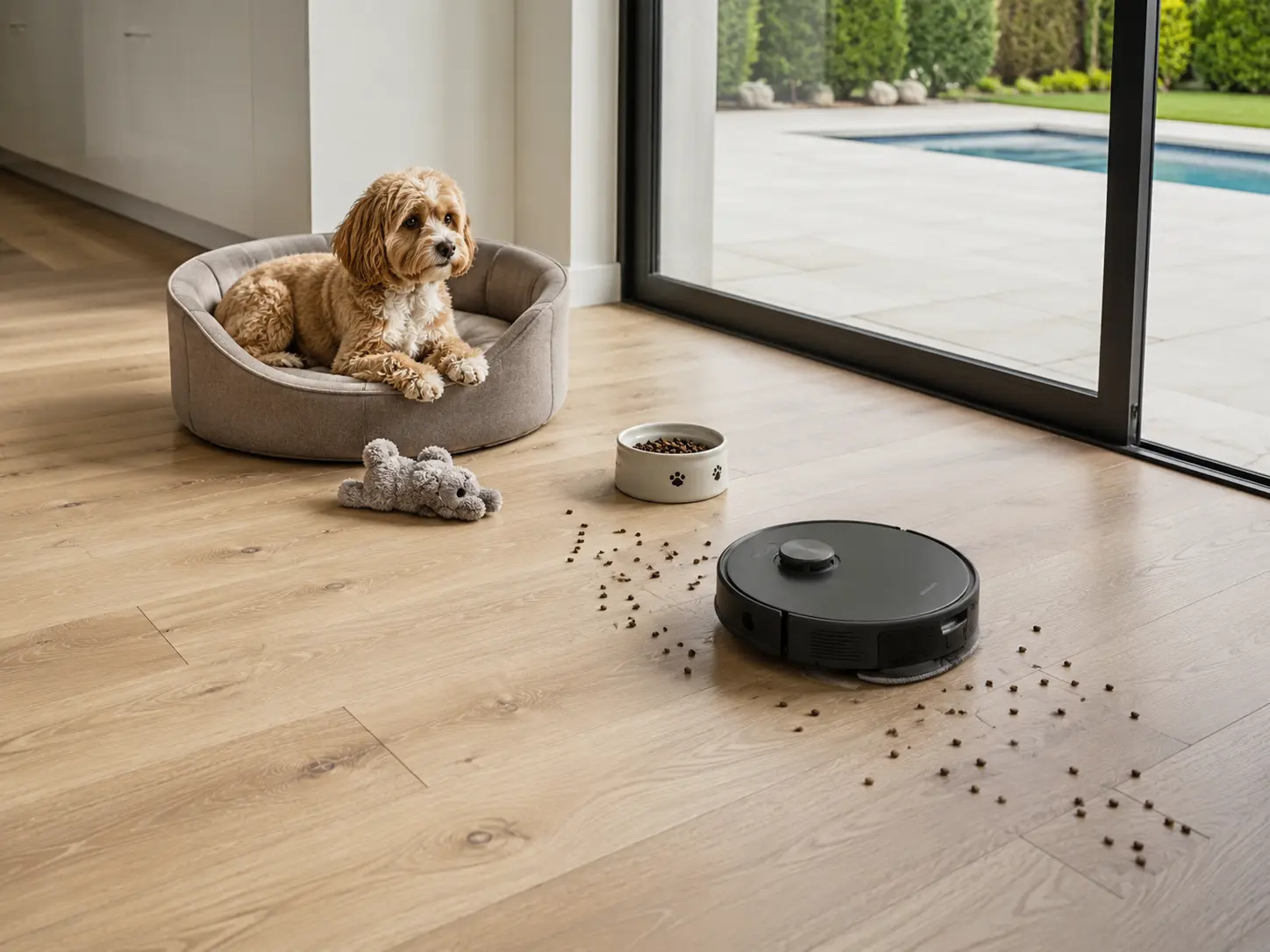
Start with Nature’s Miracle Urine Destroyer Plus for Dogs when odor or repeat peeing in the same location is the main problem. It suits compatible carpets, sealed hard floors, furniture, and washable fabrics, but it requires full-strength application, enough contact time, and surface testing; old urine below carpet may need repeated treatment. Add Pet Parents Pawtect Pads when accidents occur in one predictable zone, or a Drymate mat when the protected area must be wider. Choose a UV detector only for hidden spots and a portable carpet cleaner only for repeated soft-surface saturation. These products manage cleanup and damage; they do not treat illness or separation distress.
Quick Product Matches
How We Researched
Product information and availability were checked in July 2026 using official manufacturer pages, support instructions, current retailer listings, repeated customer-review themes, independent product coverage, and common questions raised in public dog-owner discussions. Veterinary and behavior claims were checked against VCA, ASPCA, Merck Veterinary Manual, and AVSAB guidance. We did not personally test every product in this guide. Recommendations are based on problem fit, verified features, setup demands, surface compatibility, and the most important limitation of each option.
Quick Comparison: Which Option Fits the Problem?
| Product | Suitable for | Key advantage | Setup or upkeep | Main limitation |
|---|---|---|---|---|
| Nature’s Miracle Urine Destroyer Plus | Odor, yellow residue, repeat spots | Enzymatic formula for dog urine messes | Soak, wait 15 minutes, blot; retreat deep odor | Not for untreated hardwood, leather, suede, silk, or specialty wool |
| Pet Parents Pawtect Pads | One predictable accident area | Washable, waterproof-backed, multiple sizes | Keep a spare while one is being washed | Can reinforce an indoor toilet location without a transition plan |
| Drymate Dog Playpen Mat | Playpens, renters, broad floor coverage | 60 × 74 in (152 × 188 cm), cut-to-fit design | Lay flat; machine wash after accidents | Too large for some washers and unsafe for persistent chewers |
| Simple Solution Spot Spotter UV | Hidden dried stains | Helps map likely urine areas before cleaning | Use slowly in the darkest room possible | Other residues can glow; it does not clean anything |
| BISSELL Little Green Max Pet 3860 | Repeated carpet, rug, upholstery, or pet-bed messes | Portable extraction with separate clean and dirty tanks | Fill, extract, rinse tool and tanks after use | More cost and maintenance; cannot repair contaminated padding or subfloor |
Product Recommendations by Trigger
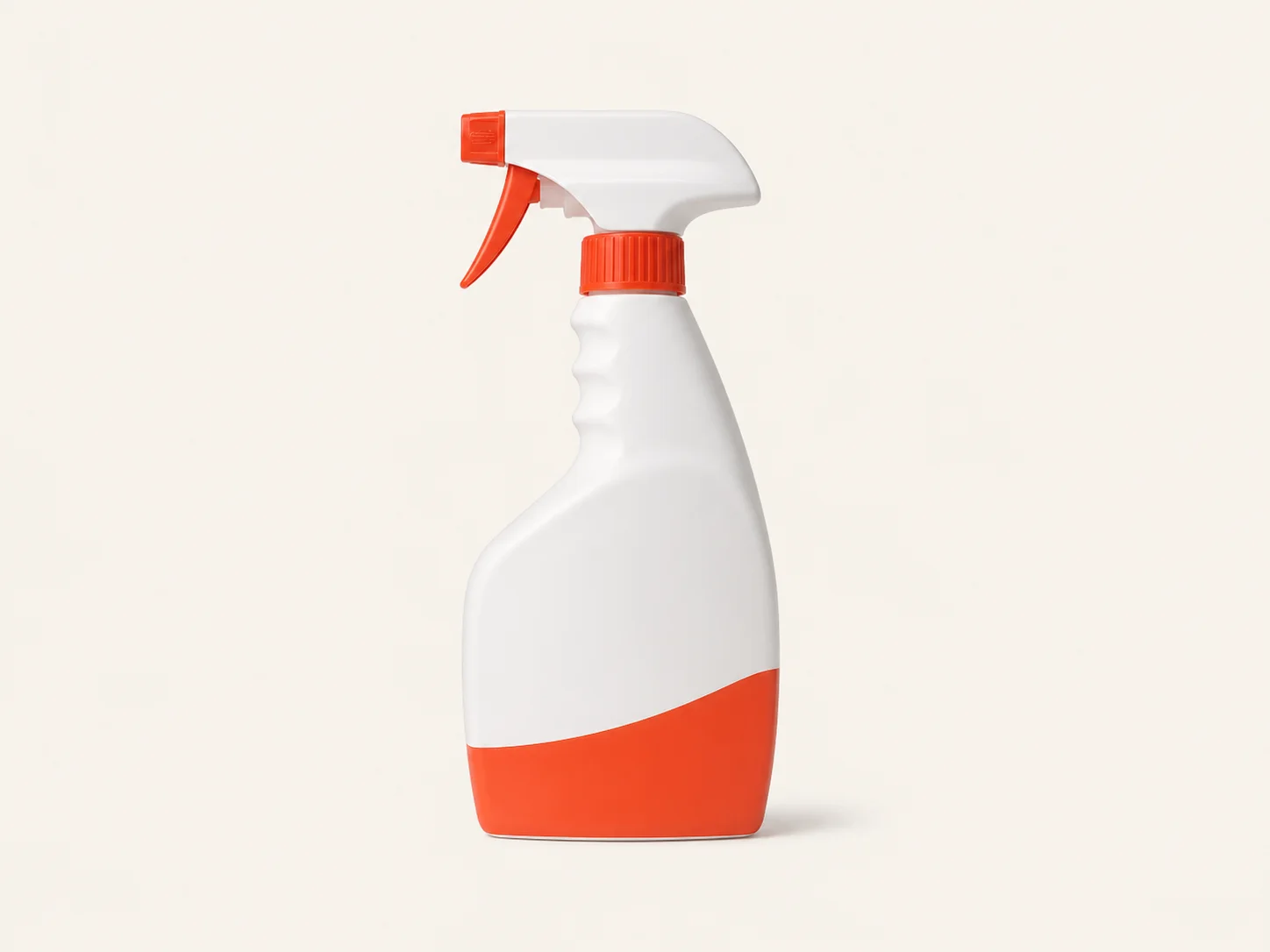
Nature’s Miracle Urine Destroyer Plus for Dogs
This is the most practical starting option when a dog returns to the same area or a cleaned room still smells like urine. The manufacturer describes it as an enzymatic formula for dog urine and directs users to soak the affected area, wait 15 minutes, and blot. It can be used on several common household surfaces when the label allows, but old carpet accidents may require enough product to reach the contaminated layer and more than one treatment.
Avoid it if: the surface is untreated wood, leather, suede, silk, specialty wool, or cannot be safely saturated. Blot fresh urine before application and keep the dog away until the area is fully dry.
Verified with the official Nature’s Miracle product guidance.
Check Current Price on Amazon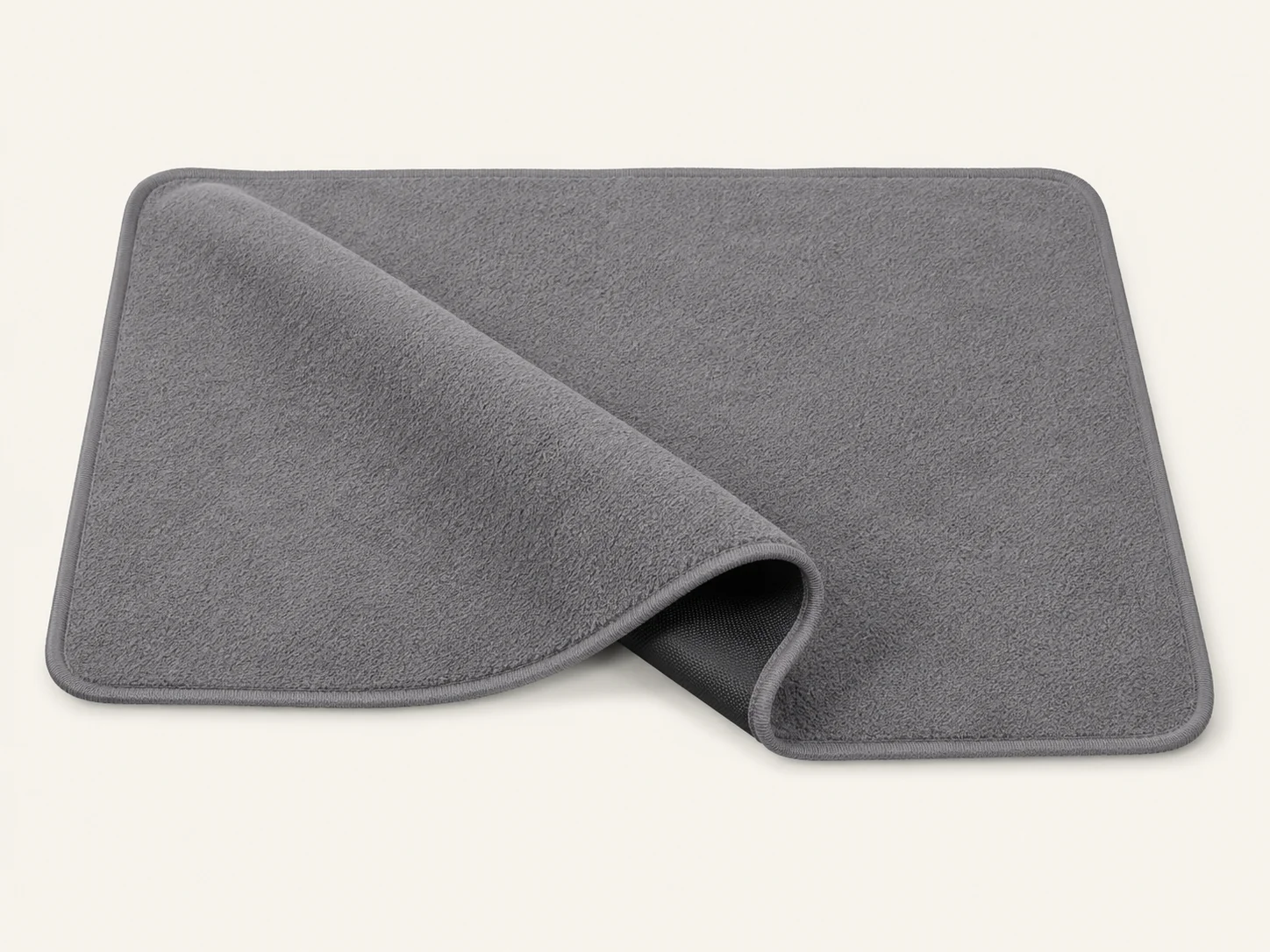
Pet Parents Pawtect Pads
Pawtect Pads are a practical containment layer when accidents usually occur beside a door, in a senior dog’s resting area, or inside a managed pen. Official sizes range from 18 × 24 inches (46 × 61 cm) to 41 × 41 inches (104 × 104 cm), and the brand lists a triple-layer design, waterproof backing, and machine-washable construction. The two-pad format is useful because one can stay in place while the other is washed.
Avoid it if: your dog chews, folds, drags, or swallows fabric when alone. Introduce it under supervision and keep the position consistent. For an outdoor-only toilet goal, treat the pad as temporary management and use a clear transition plan.
Sizes and construction checked on the official Pawtect Pads page.
View Latest Price on Amazon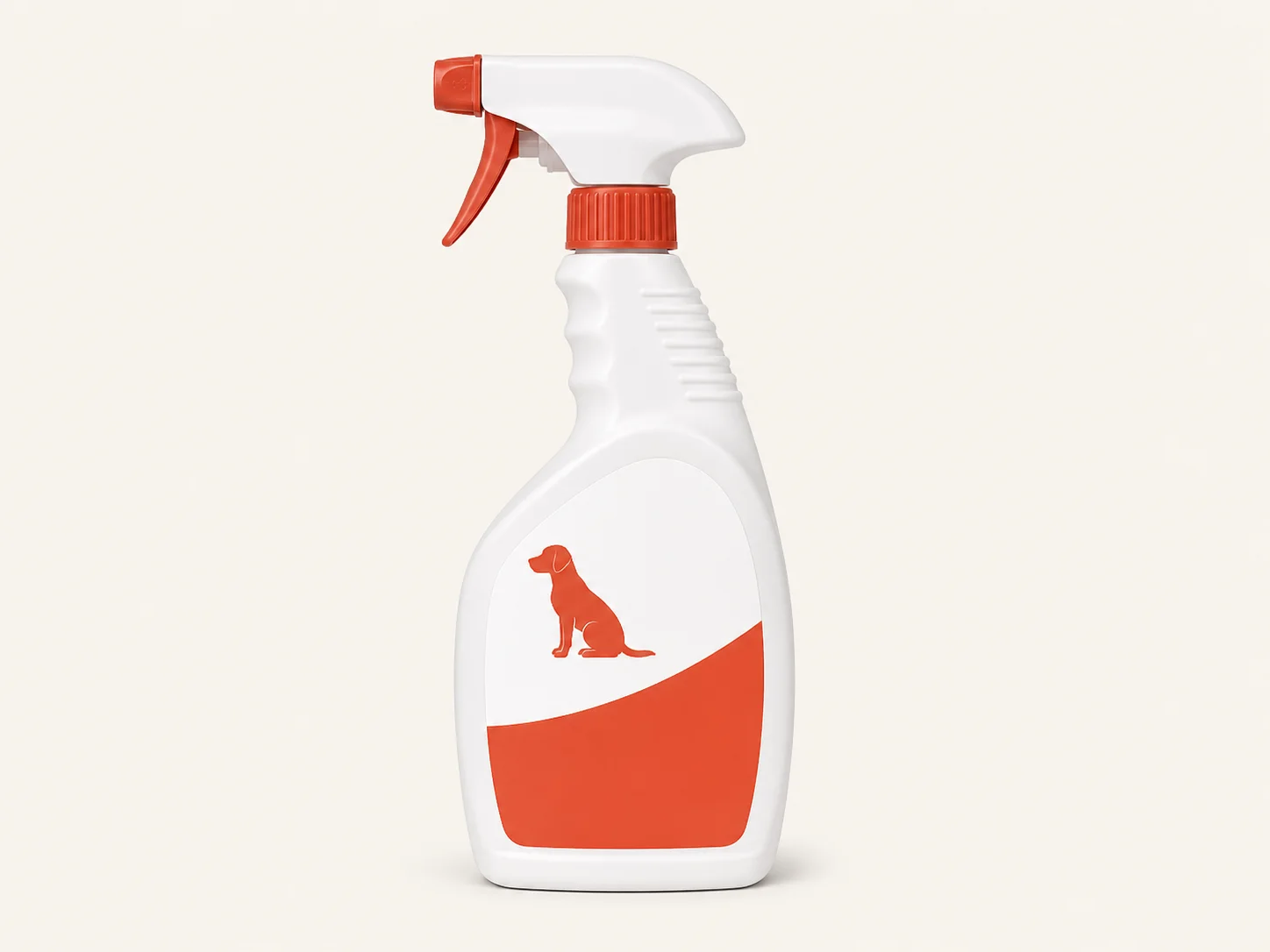
Drymate Jumbo Dog Playpen Mat
Choose the Drymate mat when a normal pee pad is too small for a playpen, whelping area, crate zone, or rental-floor setup. The official 60 × 74-inch (152 × 188-cm) mat has an absorbent top, waterproof slip-resistant backing, and can be cut with scissors for a custom fit. It protects a wider zone from urine, spills, and scratches, which is more useful than stacking loose disposable pads that can shift apart.
Avoid it if: your dog persistently digs, bunches, or chews floor coverings. Measure the full protected area before cutting, keep the edges flat, and place a washable pee pad over the highest-risk spot when faster laundry turnover is needed.
Dimensions and care features verified on the official Drymate product page.
Check Availability on Amazon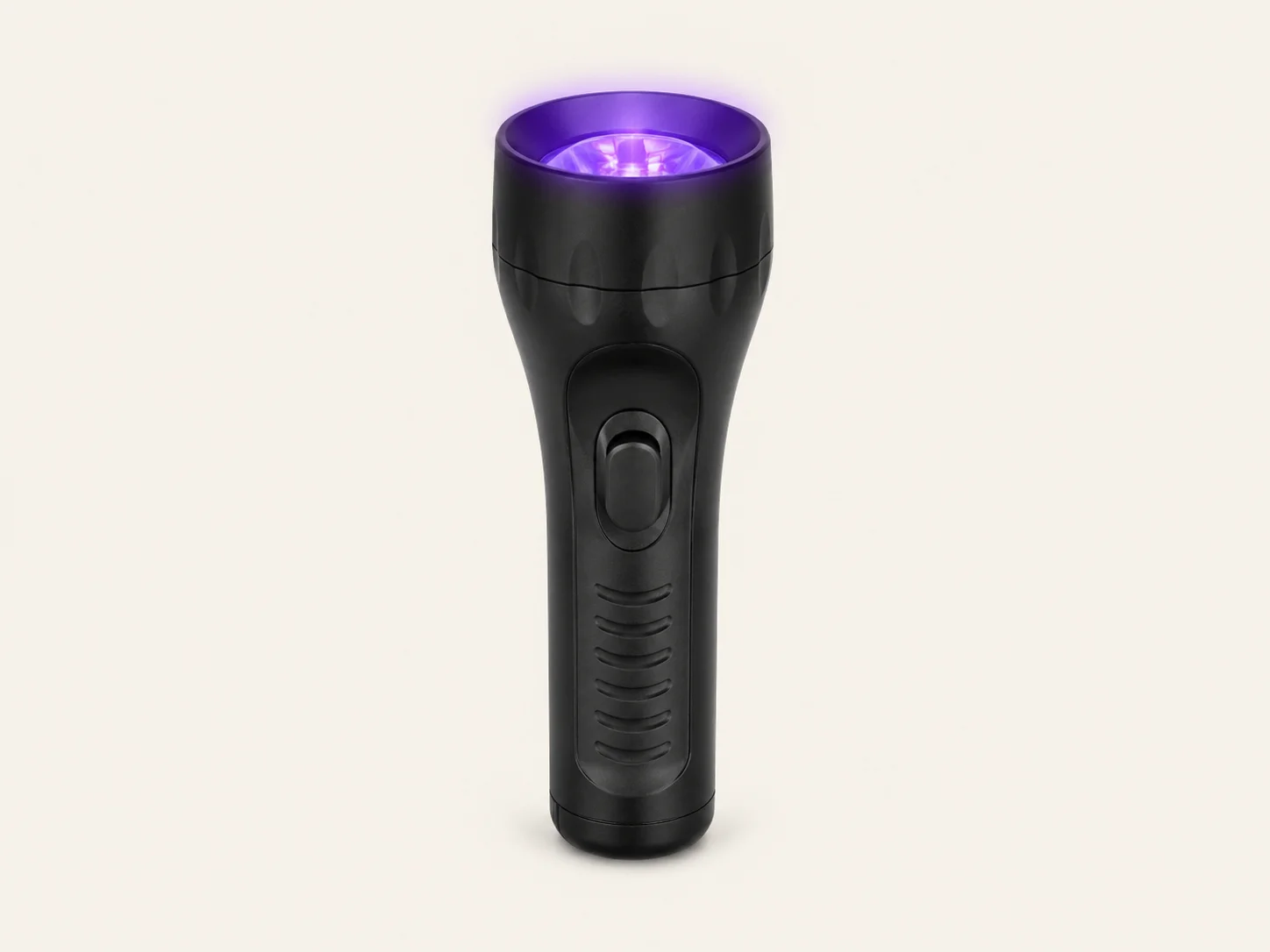
Simple Solution Spot Spotter UV Pet Urine Detector
This handheld UV light is worth considering when the room smells like urine but the visible accident has already been cleaned. The manufacturer says it can reveal suspected urine on carpets, rugs, furniture material, crates, dog beds, and walls, with best results in a very dark room. Its value is diagnostic: it helps you map likely stains so an enzyme cleaner is applied to the correct locations instead of spraying the entire room.
Avoid it if: you expect the light itself to confirm or remove urine. Scan slowly, mark suspicious spots, then verify by odor and cleaning response. Never shine UV light into a person’s or animal’s eyes.
Usage checked on the official Simple Solution page.
Check Current Price on Amazon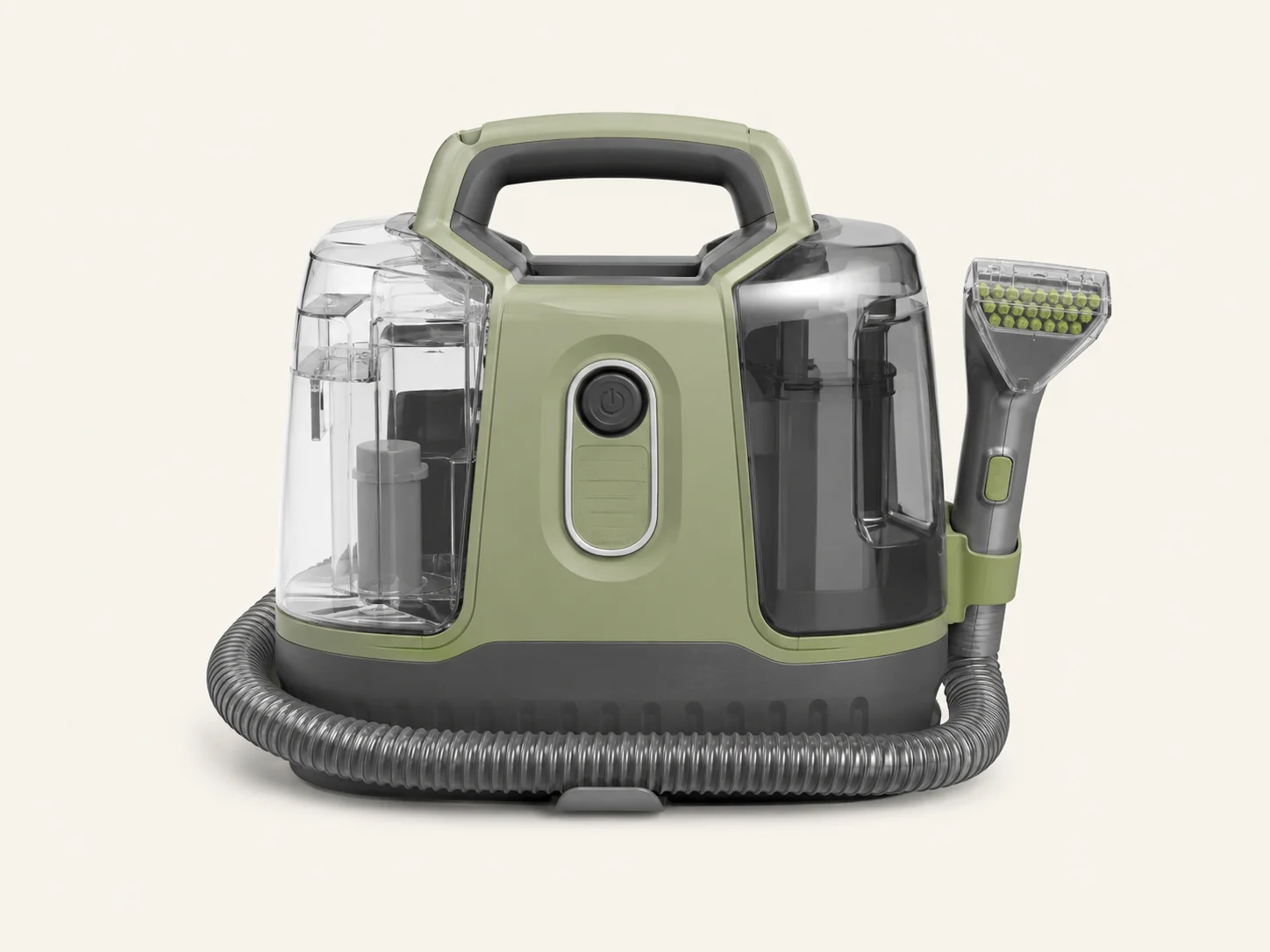
BISSELL Little Green Max Pet Portable Carpet Cleaner 3860
The Little Green Max Pet is the strongest match here when repeated urine has soaked carpet, rugs, upholstery, stairs, or washable pet beds beyond simple blot-and-spray cleanup. Model 3860 uses separate 32-ounce (0.95-liter) clean and dirty tanks, a 4.8-foot (1.46-meter) hose, a 15-foot (4.57-meter) cord, and weighs 8.2 pounds (3.7 kg). It does not heat water internally, so BISSELL recommends warm tap water and compatible portable-machine formula.
Avoid it if: odor is coming from carpet padding, subfloor, wall base, or damaged flooring; those problems may require professional cleaning or repair. After use, empty the tanks, rinse the tool, and clean the hose so suction is not reduced by residue.
Specifications verified on the official BISSELL model 3860 page.
View Latest Price on AmazonBefore You Buy
- What is the exact trigger?
Odor, one predictable location, a wide floor zone, hidden stains, or saturated carpet each needs a different product. - Is the surface compatible?
Check cleaner labels and patch-test rugs, upholstery, finished wood, and dyed fabrics before full application. - Will the dog be safe alone with it?
Do not leave pads or mats unsupervised if the dog shreds, eats, folds, or becomes trapped in them. - Does the size cover misses?
Measure the full accident zone, not only the center puddle. Leg-lifting dogs may also need wall protection. - Is the purchase treating the cause?
A cleaner or pad manages the result. Sudden, painful, senior-related, or panic-linked urination needs professional assessment.
Short Setup Guide
- Clean first.
Blot fresh urine, apply the compatible enzyme cleaner exactly as labeled, and allow the area to dry fully. - Protect the known zone.
Place the washable pad where accidents already occur; add the larger mat beneath it when floor damage is a concern. - Test before leaving.
Observe whether the dog lies calmly, leaves the setup flat, and does not chew or drag any layer. - Review camera or timing patterns.
Note whether urination follows a long interval or appears quickly with barking, pacing, drooling, or escape behavior.
When Another Product Is Unlikely to Help
Arrange veterinary care when house soiling starts suddenly, the dog strains, urinates more often, drinks more, leaks while resting, appears painful, or shows new senior changes. VCA and the Merck Veterinary Manual both explain that pain, urinary disease, increased urine production, impaired control, mobility problems, and cognitive decline can contribute to indoor accidents. Review VCA’s house-soiling guidance.
If urination happens soon after departure with barking, pacing, drooling, destruction, or escape attempts, cleanup products may reduce damage but not the distress. The ASPCA lists these as possible separation-anxiety signs. Avoid punishment; AVSAB recommends reward-based behavior work.
Frequently Asked Questions
Will washable pee pads make outdoor toilet training harder?
They can create a permitted indoor toilet location if used indefinitely. Keep the pad in one fixed place, reward the desired toilet routine, and use a gradual transition plan when outdoor-only elimination is the goal.
Why does the urine smell return after enzyme cleaning?
The cleaner may not have reached the full contaminated layer, especially in carpet padding, seams, or subfloor. Recheck label directions, saturate only compatible materials, let the area dry completely, and consider professional help when odor rises from below the visible surface.
Can a UV flashlight prove that a glowing spot is dog urine?
No. It identifies fluorescence, not urine with certainty. Use it to find suspicious areas, then confirm them through location, odor, cleaning history, and whether targeted enzyme treatment resolves the smell.
What should I do if my dog tears up every pee pad?
Remove loose pads from unsupervised use. Test a safer managed surface while you are present, increase appropriate enrichment, and address the reason the dog is chewing or distressed rather than trying progressively heavier chewable pads.
What if my dog pees only when I leave?
Record when it happens and look for accompanying distress. Urination alone can have several causes, but urination with rapid-onset barking, pacing, drooling, destruction, or escape attempts warrants a veterinary and qualified behavior assessment.
Final Recommendation
Buy the product that matches the immediate job, not a five-product bundle. Start with Nature’s Miracle Urine Destroyer Plus for odor and repeat spots. Add Pawtect Pads only for a predictable accident zone, or the Drymate mat when the protected footprint must be larger. Use the UV detector for mystery stains and the BISSELL machine when soft surfaces repeatedly need extraction.
Check the exact Amazon listing, local availability, size, model number, and return terms in your country before ordering. If the behavior is sudden, painful, senior-related, or linked to panic, spend on veterinary or qualified behavior help before adding more cleanup products.
 ✓
✓