
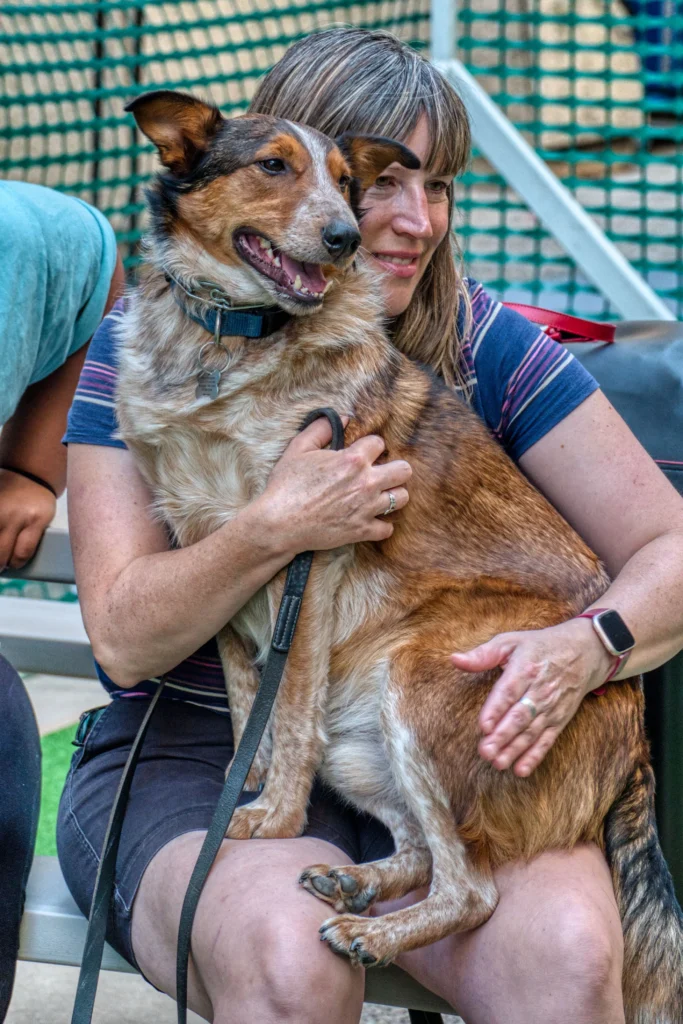
Why Some Rescue Dogs Need Time to Feel at Home
Rescue dog settling into a new home can take days, weeks, or even months. In a 2024 study, interviews with 31 real dog adopters showed that trust, patience, consistent routines, and realistic expectations played an important role in helping many rescue dogs gradually feel safe and comfortable in their new homes.
Bringing home a rescue dog is often imagined as an immediately joyful experience. In reality, the transition can be uncertain and emotionally demanding for both the dog and the adopter.
A 2024 study published in the peer-reviewed journal Animals explored the experiences of 31 people who had adopted dogs considered more likely to be returned. The researchers examined adoption challenges and relationships for periods extending up to four years after adoption.
Many adopters acknowledged that their original expectations had not fully prepared them for the time and patience required. Some dogs struggled to feel comfortable around unfamiliar people, household routines, different environments, and new behavioral expectations.
The adjustment process also required adopters to learn about their individual dogs. Owners had to recognize situations in which their dogs felt comfortable, identify their behavioral limits, and make decisions that protected both the dog and other family members.
According to the study, building trust was a central part of forming a lasting relationship. Adopters often needed to move gradually rather than expecting immediate affection, confidence, or obedience.
Progress did not always happen through one major breakthrough. It could appear through smaller changes, such as a dog becoming calmer in the house, approaching family members more willingly, or handling familiar situations with less uncertainty.
The adopters’ experiences also showed that every dog-owner relationship is different. Each dog has an individual personality, history, and level of comfort. A routine that helps one rescue dog may not work in exactly the same way for another.
These findings suggest that a challenging beginning does not necessarily mean an adoption is failing. For many adopters, the relationship became stronger as they developed realistic expectations, learned their dog’s needs, and gave the transition sufficient time.
What New Rescue-Dog Adopters Can Learn
- Successful adjustment may take time and patience.
- Trust usually needs to be developed rather than assumed.
- Every adopted dog has different behavioral comfort limits.
- Realistic expectations can help adopters handle early challenges.
- Small behavioral changes may represent meaningful progress.
- Household safety should remain an important consideration.
- Professional support may be helpful when serious concerns continue.
Small, consistent changes can make pet parenting challenges easier to manage over time.
Share your real experience and help another pet parent feel less alone.